
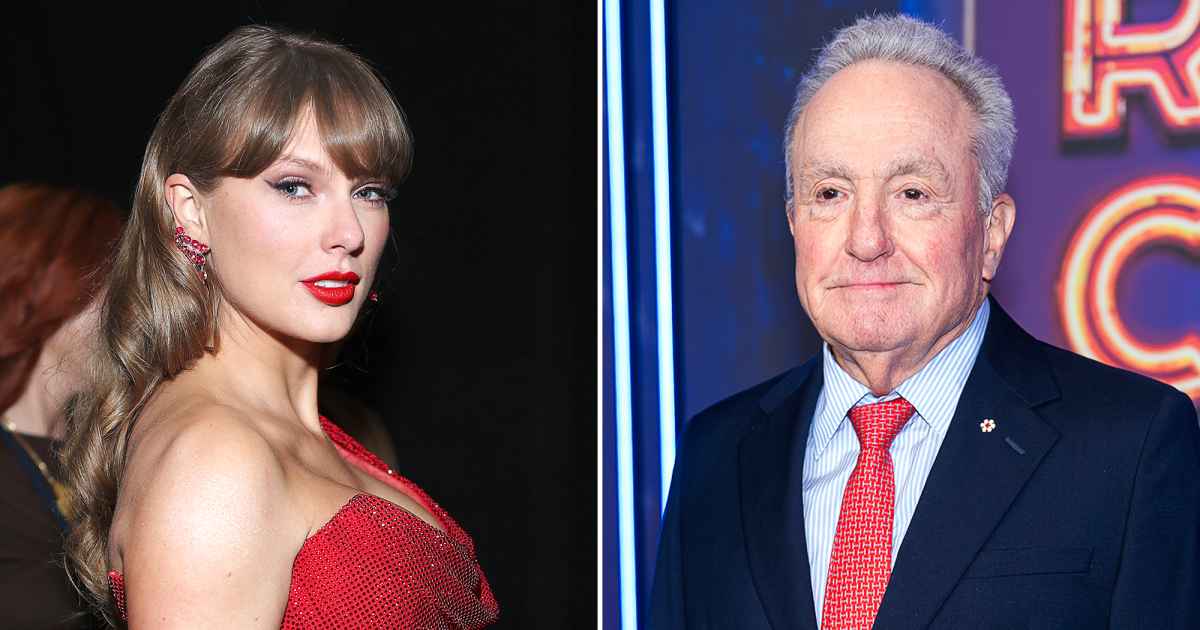
Inside the Rumored Taylor Swift Request to Edit an ‘SNL’ Sketch
In a striking revelation that has caught the media’s attention, singer-songwriter Taylor Swift allegedly reached out to Lorne Michaels, the creator and executive producer of ‘Saturday Night Live’ (SNL), to request edits to a sketch that featured her. This unexpected move raises intriguing questions about the relationship between celebrity culture and the world of comedy, particularly regarding how influential figures can impact the content produced by iconic shows like SNL. As we delve into this topic, we will explore the implications of such requests, the nature of comedy, and the delicate balance comedians must maintain when navigating the often fickle world of public opinion.
The Context of the Request
To understand the significance of Taylor Swift’s rumored request, it is essential to consider the context in which it occurred. SNL has long been known for its sharp satire and often biting humor, which can sometimes blur the lines between entertainment and personal critique. As one of the most prominent figures in the music industry, Swift has been the subject of both adoration and scrutiny, frequently finding herself in the comedic crosshairs of various shows.
When a high-profile celebrity like Swift reaches out to a show that thrives on satire, it signals a potential shift in how such interactions are handled. In an age where social media amplifies voices and opinions, the power dynamics between celebrities and media creators are evolving. Swift’s request, whether it was motivated by concern for her image or a desire to maintain a certain narrative, showcases the complexities of these relationships.
The Influence of Celebrity on Comedy
One of the most compelling aspects of this situation is the broader conversation it sparks about the influence of celebrities on comedy. Traditionally, comedy has served as a platform for critique and commentary on societal issues, including the behavior of public figures. However, as celebrities gain more control over their narratives—thanks in part to social media platforms—there’s an emerging tension between the freedom of expression for comedians and the expectations of those they parody.
Some may argue that a celebrity’s request for edits can stifle comedic expression. After all, comedy often thrives on pushing boundaries and confronting difficult subjects. Yet, others may view it as a necessary dialogue between creators and their subjects. In Swift’s case, her immense popularity and the love she garners from her fanbase make her a unique figure in this discussion. Her involvement in content creation might reflect a desire to engage more directly with the media that portrays her life and career.
Comedy’s Evolving Landscape
The landscape of comedy is changing, particularly in the wake of increased awareness around issues such as mental health, representation, and social justice. Comedians today must navigate a minefield of sensitivities that did not exist in earlier decades. The rise of cancel culture has led to heightened scrutiny of comedic material, forcing creators to reconsider their approach.
As such, the rumored Taylor Swift request to edit an SNL sketch could be seen as part of this larger trend. Celebrities are increasingly aware of how they are portrayed and are taking proactive steps to influence their public images. This raises the question: how far should a celebrity go to protect their image, and at what cost to artistic expression?
- Increased Celebrity Involvement: Celebrities are more involved than ever in the projects they participate in, aiming to shape narratives that align with their personal brands.
- Audience Expectations: The audience’s expectations have shifted, with many viewers demanding a more sensitive approach to comedy that considers the implications of jokes.
- Comedic Integrity: Comedians face the challenge of maintaining their integrity while also being aware of the potential backlash from the public or the figures they parody.
The Role of Social Media
Social media plays a critical role in shaping public perception and influencing the actions of celebrities and comedians alike. Swift, with her massive following on platforms like Instagram and Twitter, understands the power of her voice. The immediacy of social media allows for rapid feedback and engagement, making it easier for celebrities to express concerns directly to their audiences or creators.
This dynamic can lead to a greater level of accountability for comedians, as they must consider the potential reactions of those they depict in their sketches. In Swift’s case, her outreach to Michaels might reflect a desire to maintain control over her narrative in an era where public perception can change in an instant due to a viral tweet or meme.
Balancing Act: Freedom of Speech vs. Respect for Individuals
The intersection of freedom of speech and respect for individuals is a delicate balance that comedians must navigate. While comedy serves as a vehicle for social commentary, it can also perpetuate harmful stereotypes or reinforce negative narratives. The ability of a celebrity to request edits to a sketch raises important questions about where the line is drawn between artistic expression and personal dignity.
As audiences become more conscious of the implications of humor, the expectation for comedians to be mindful of their material grows. This does not mean that comedy should shy away from edgy topics, but it does suggest a need for a more nuanced approach. Comedians might find themselves in a position where they must weigh the potential backlash against their creative instincts.
Conclusion: A New Era of Comedy?
The rumored Taylor Swift request to edit an SNL sketch represents more than just a single event; it symbolizes a broader shift in the relationship between celebrities and the media. As the dynamics of comedy evolve in response to societal changes, both comedians and public figures will need to navigate these waters carefully to maintain their relevance and integrity.
At the heart of this discussion lies the fundamental question of how comedy can continue to thrive in a world where public perception is increasingly influential. The challenge for comedians is to remain true to their craft while respecting the individuals they portray. As we move forward, it will be fascinating to see how these interactions unfold and what impact they will have on the future of comedy.
Ultimately, whether or not Swift’s request leads to lasting changes in SNL or the comedy landscape as a whole, it undoubtedly highlights the intricate dance between public figures and the media, a dance that will continue to evolve in the years to come.
See more CNET Live