
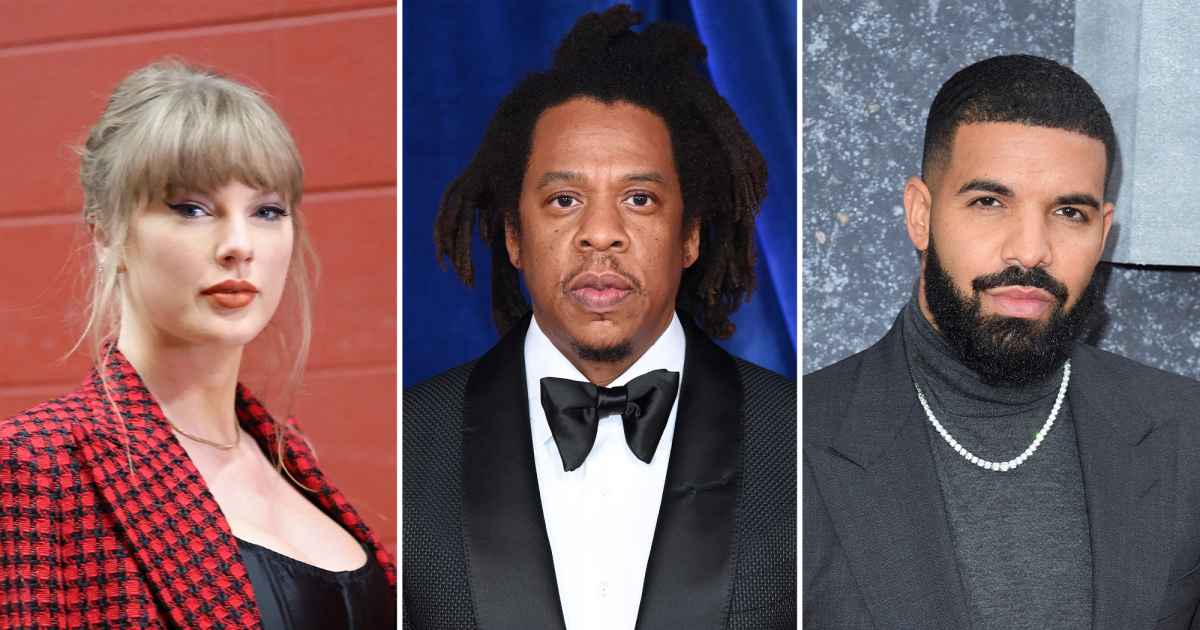
Rethinking Music: Artists Speak Out Against Streaming Giants
In an era where streaming platforms have become the primary method of music consumption, the music industry is witnessing a significant shift. As platforms like Spotify, Apple Music, and Amazon Music dominate the landscape, many artists are beginning to voice their concerns. Prominent figures such as Taylor Swift, Adele, and others have taken a stand against what they perceive as unfair compensation practices. This article explores the rising discontent among musicians regarding streaming giants and their influence on the music industry.
The Streaming Economy: A Double-Edged Sword
The advent of streaming services has undoubtedly changed how we access and enjoy music. Gone are the days when purchasing albums was the norm. Now, listeners can access millions of songs at their fingertips for a relatively low monthly subscription fee. However, this convenience comes at a cost, especially for artists.
Streaming services operate on a model that pays artists a fraction of a cent per stream. According to various reports, the average payout for artists from platforms like Spotify can be as low as $0.003 to $0.005 per stream. This model raises significant concerns for many musicians who rely on these platforms for their livelihoods.
Artists Rallying for Change
As the streaming economy thrives, some artists are becoming increasingly vocal about their dissatisfaction. Taylor Swift, a prominent figure in the music industry, has been at the forefront of this movement. In 2014, she famously pulled her entire catalog from Spotify, arguing that the platform’s payout structure undervalued her work. Swift’s actions sparked a broader conversation about the relationship between musicians and streaming services.
Adele, another powerhouse vocalist, has also expressed her concerns. She has emphasized the importance of artists being compensated fairly for their work, stating that the current streaming model is detrimental to the creative process. These statements resonate with many emerging and established artists who feel the financial strain of the streaming economy.
Fair Compensation: A Key Issue
One of the most pressing issues artists face is fair compensation. While streaming platforms argue they provide exposure and access to a global audience, many musicians contend that exposure does not pay the bills. For songwriters and independent artists, the meager royalties from streaming services can make it nearly impossible to sustain a career.
- Limited Revenue Streams: Many artists rely on multiple revenue streams, including live performances, merchandise sales, and physical album sales. The decline in album sales due to streaming has made it challenging for artists to earn a living.
- Dependence on Touring: With the financial strain of streaming, artists often depend on touring as their primary source of income. This reliance can be precarious, especially during global events that restrict live performances, such as the COVID-19 pandemic.
- Impact on Independent Artists: Independent musicians, who may not have the backing of a major label, find it even more challenging to navigate the streaming landscape. They often lack the resources to promote their music effectively, leading to fewer streams and even less revenue.
The Role of Major Labels
Another layer of complexity in the streaming debate is the role of major record labels. These entities often negotiate deals with streaming services that prioritize their interests over those of the artists. As a result, many musicians feel that they are left in the lurch, receiving a small fraction of what their music generates.
Moreover, the traditional industry model, which often favors the labels, is being scrutinized. Artists are increasingly seeking to reclaim control over their music, leading to a rise in independent labels and self-publishing. Platforms like Bandcamp and SoundCloud have emerged as alternatives, allowing artists to retain a higher percentage of their earnings while connecting directly with fans.
Changing the Narrative: New Models for Music Distribution
As artists voice their concerns, there’s an ongoing conversation about potential solutions to the streaming dilemma. Some alternative models are gaining traction:
- Direct-to-Fan Sales: Artists are increasingly turning to direct-to-fan sales, where they can sell their music and merchandise directly to their audience. This model eliminates the middleman and allows musicians to keep a larger share of the profits.
- Subscription Services for Artists: Some platforms are exploring subscription models that allow fans to support their favorite musicians directly. Services like Patreon enable fans to contribute monthly in exchange for exclusive content.
- Fair Pay Initiatives: There is a growing movement advocating for fair pay for artists on streaming platforms. Initiatives from organizations like the Music Artists Coalition seek to reform the current payout structure to ensure that artists receive a fair share of streaming revenue.
The Future of Music: A Collaborative Approach
As the conversation around streaming continues, it’s clear that a collaborative approach is necessary. Artists, streaming platforms, and fans must work together to create an ecosystem that values and supports musicians. While change may be slow, the ongoing dialogue is essential for fostering a sustainable music industry.
At the heart of this movement is the understanding that music is not just a product; it’s an art form that deserves respect and fair compensation. By rethinking music consumption and advocating for artists, we can pave the way for a future where musicians are valued for their contributions.
Conclusion: A Call to Action
As we navigate the complexities of the streaming landscape, it’s crucial for fans to support the artists they love. Whether through purchasing music directly, attending live shows, or advocating for fair compensation initiatives, every action counts. Artists are speaking out against streaming giants, and it’s time for the industry and its consumers to listen.
Rethinking music is not just about challenging the status quo; it’s about creating a future where artists can thrive, innovate, and continue to inspire. The power lies in our hands—let’s use it wisely.
See more CNET Live