
Taylor Swift Faces Backlash as Trump Commands Super Bowl Crowd’s Cheers
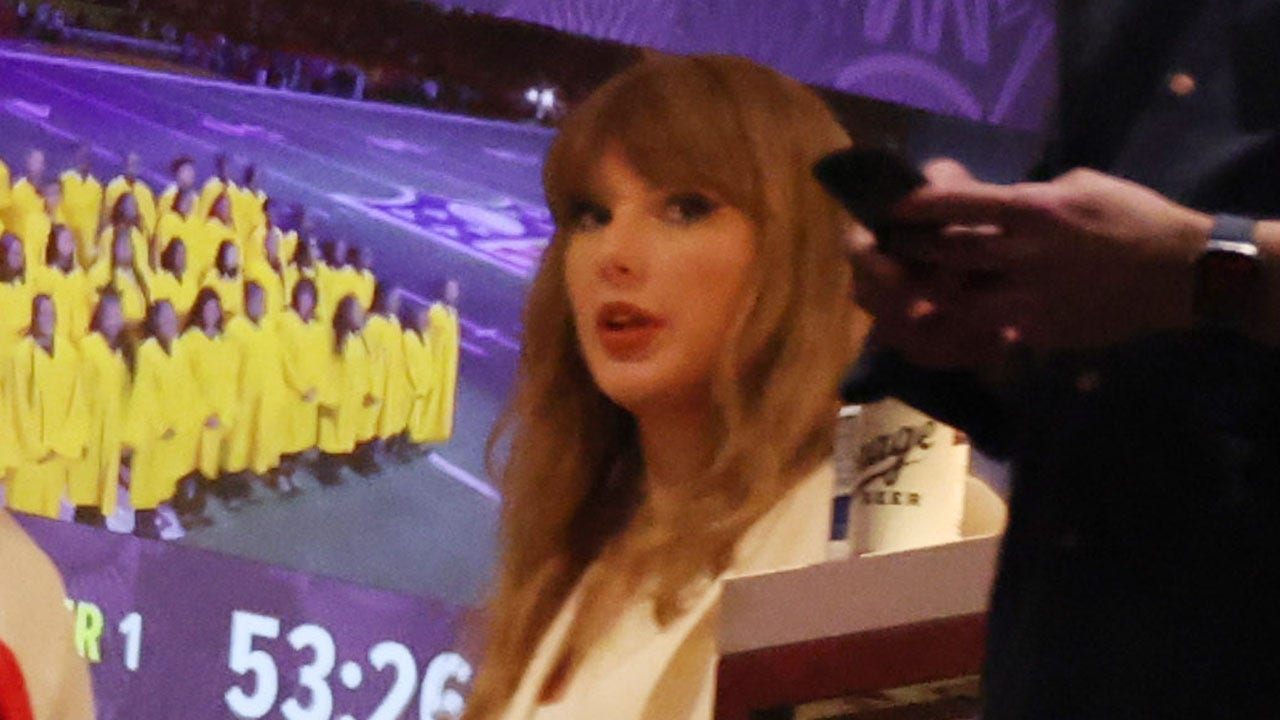
In a stunning display during Super Bowl LIX, Taylor Swift faced unexpected backlash as the crowd erupted in cheers for former President Donald Trump. This incident has sparked intense discussions surrounding the intersections of celebrity influence, political discourse, and the role of sports events in American culture. As fans of both Swift and Trump took to social media, the event has become a focal point of heated debate, illustrating how deeply political sentiments can permeate public gatherings.
The Incident: A Divided Audience
During the halftime show, which was highly anticipated for its star-studded lineup, the atmosphere shifted dramatically when Taylor Swift took the stage. While she was expected to receive a warm welcome, the reception was mixed. Reports indicate that Swift was met with loud boos from segments of the audience, a stark contrast to the raucous cheers that erupted for Trump as he appeared in the stands. This moment has left many questioning the current state of celebrity culture and the political landscape in America.
Understanding the Backlash
The backlash against Taylor Swift is not merely a reaction to her performance but is emblematic of broader societal divisions. Over the past few years, Swift has become increasingly vocal about her political beliefs, endorsing candidates and aligning herself with causes that resonate with her values. This has alienated some of her fan base, particularly those who disagree with her viewpoints. Conversely, Trump’s presence at the Super Bowl has galvanised his supporters, creating a stark divide in audience reactions.
- Celebrity Influence: Taylor Swift has leveraged her platform for advocacy, which has made her a target for criticism from those who disagree with her views.
- Political Sentiments: Trump’s polarizing figure continues to evoke strong emotions, and his supporters are often vocal in their approval of his appearances.
- Audience Dynamics: The Super Bowl audience reflects the broader American populace, showcasing the divisions that exist within society.
The Role of Sports in Political Discourse
The Super Bowl, an event that transcends mere entertainment, has historically been a stage where cultural and political sentiments intersect. The cheers and boos during the halftime show reflect how deeply sports are entwined with national identity and political affiliations. As fans gather to enjoy the game, the atmosphere can quickly shift from lighthearted entertainment to serious political discourse, revealing underlying tensions within the country.
In recent years, sports figures and entertainers have used their platforms to advocate for social justice issues, leading to mixed receptions from fans. The backlash that Taylor Swift experienced at the Super Bowl highlights this ongoing trend, where the personal beliefs of celebrities can influence public perception and reception.
The Impact of Social Media
As the incident unfolded, social media platforms exploded with reactions from fans, commentators, and political analysts. Twitter and Instagram became battlegrounds for opinions, with many users sharing their thoughts on the cheers for Trump and the boos for Swift. This instantaneous feedback loop can amplify sentiments and escalate tensions, often leading to a polarized dialogue that can overshadow the original purpose of the event.
Key takeaways from the social media discourse include:
- Amplification of Divisions: Social media can magnify existing divides, allowing for echo chambers where like-minded individuals reinforce each other’s views.
- Celebrity Accountability: Celebrities are increasingly held accountable for their political stances, with fans expressing their approval or disapproval in real-time.
- Public Sentiment Shifts: The immediate reactions on social media can influence how events are perceived in the long term, shaping narratives that endure beyond the moment.
Swift’s Response and Future Implications
In the aftermath of the Super Bowl, Taylor Swift has remained relatively quiet concerning the backlash she faced. However, this incident raises significant questions about how she and other celebrities will navigate their public personas in a politically charged environment. As fans continue to express their opinions, Swift may need to consider her approach to political advocacy moving forward.
Future implications include:
- Shifts in Fanbase: Swift may experience changes in her fanbase as her political advocacy continues to resonate differently among audiences.
- Engagement Strategies: She might opt for more strategic engagement with her audience, focusing on bridging divides rather than deepening them.
- Long-term Effects on Public Events: The Super Bowl incident could signify a trend where political sentiments increasingly overshadow entertainment, influencing future public gatherings.
Conclusion: A Reflection of Society
The incident at Super Bowl LIX, where Taylor Swift faced backlash while Donald Trump garnered cheers, reflects the complexities of celebrity culture intertwined with politics. As sports events continue to serve as platforms for expression, the reactions observed at the Super Bowl may be indicative of broader societal divisions. Moving forward, both celebrities and audiences will need to navigate this evolving landscape, balancing personal beliefs with the expectations of diverse fan bases.
Ultimately, the Super Bowl serves not only as a showcase of athletic talent but also as a mirror reflecting the state of American society. As discussions continue in the wake of this event, it is clear that the intersection of politics and celebrity will remain a hot topic, shaping the way public figures engage with their audiences in the future.
See more CNET Live