
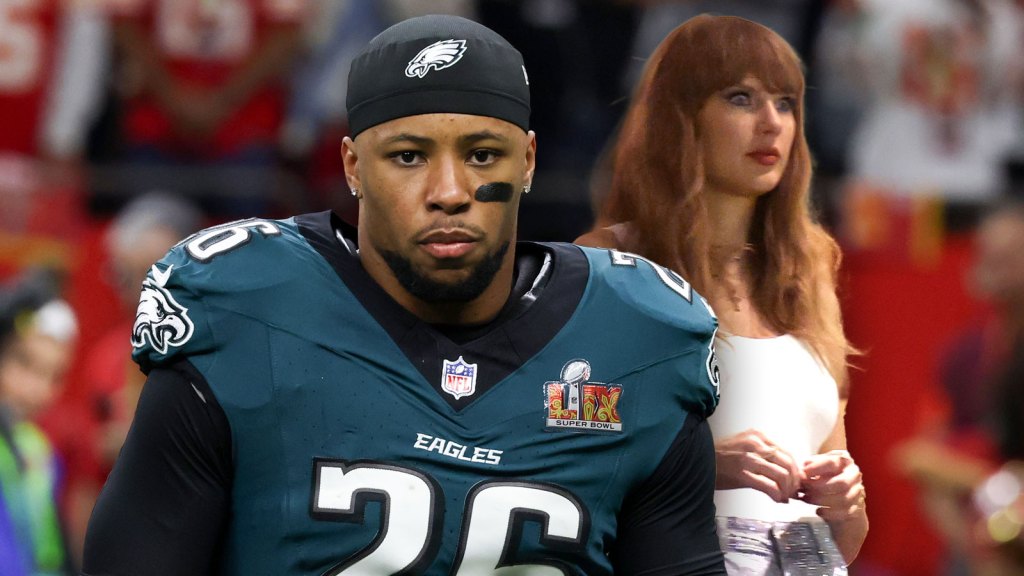
Saquon Barkley Weighs In: Why Was Taylor Swift Booed at the Super Bowl?
In a surprising turn of events, NFL star Saquon Barkley has shared his thoughts on the backlash faced by pop icon Taylor Swift during the Super Bowl. The incident sparked widespread discussion and debate, with many wondering about the reasons behind the negative reception. This article delves into Barkley’s perspective, exploring the intersection of celebrity culture and sports, and offers insights into the complex dynamics at play during one of America’s most-watched events.
The Super Bowl: A Cultural Phenomenon
The Super Bowl is not just a championship game; it is a cultural event that draws millions of viewers, showcasing not only football but also music, advertising, and celebrity appearances. In recent years, the presence of celebrities like Taylor Swift has become almost as significant as the game itself. Swift, known for her chart-topping hits and massive fan following, was a focal point during the last Super Bowl, but her reception was unexpectedly mixed.
During the halftime show and throughout the event, Swift faced a chorus of boos from a section of the audience, which raised eyebrows and prompted questions. What could have led to such a reaction? Barkley, an advocate for both sports and music, weighed in on the situation, offering his perspective on the intersection of these two worlds.
Saquon Barkley’s Perspective
Barkley, a prominent figure in the NFL and a fan of pop culture, expressed his disbelief at the backlash Swift received. He stated, “It’s just wild to me that someone like Taylor, who’s contributed so much to music and culture, would get booed at such a massive event.” His words reflect a sentiment shared by many fans who view Swift as a beloved artist rather than a divisive figure.
The boos directed at Swift can be attributed to several factors:
- Team Loyalties: The Super Bowl is fiercely competitive, with fans deeply invested in their teams. Some fans may have booed Swift due to her association with certain teams or celebrities, leading to a clash of loyalties.
- Misplaced Expectations: With the Super Bowl being a high-stakes event, some fans expected a more traditional halftime show. Swift’s pop style may not have resonated with every viewer, leading to negative reactions.
- Celebrity Fatigue: In an era where celebrities frequently cross into various domains, audiences may experience fatigue from constant media exposure. Some fans may have felt overwhelmed by the celebrity presence at the event.
The Intersection of Celebrity Culture and Sports
The intersection of celebrity culture and sports is a fascinating topic that has evolved over the years. Celebrities have become integral to sports culture, whether through endorsements, appearances, or performances. This blending of worlds has both positive and negative implications. While it can enhance the entertainment value of events like the Super Bowl, it can also create friction between fans and celebrities.
For instance, when a beloved athlete is paired with a celebrity like Swift, fans may feel protective of their sports icons. They may perceive the celebrity’s involvement as overshadowing the actual sport. Barkley noted, “At the end of the day, we’re all here to enjoy the game. But it’s also about the spectacle, and artists like Taylor bring that to the table.” This sentiment highlights the duality of sports events: they are both athletic competitions and entertainment spectacles.
Understanding the Backlash: A Deeper Look
To understand why Taylor Swift faced backlash at the Super Bowl, it’s essential to consider the broader context of celebrity culture. Swift is not just a musician; she is a cultural icon. Her influence extends beyond music into social and political realms. This multifaceted persona can invite mixed reactions from audiences, particularly in a polarized environment. Some fans might appreciate her for her artistry and activism, while others may reject her influence, especially in a sports setting.
Additionally, the timing of her appearance played a significant role. The Super Bowl is a culmination of a season filled with anticipation and rivalry. Swift’s presence may have felt out of place for some, leading to a disconnect between the event’s atmosphere and her performance.
Celebrity Influence in Sports: A Double-Edged Sword
The relationship between sports and celebrity is often a double-edged sword. On one side, the presence of celebrities can elevate an event, drawing in viewers who may not otherwise be interested in sports. For example, Swift’s fanbase might tune in to watch her perform, leading to increased ratings and broader exposure for the NFL.
On the flip side, this crossover can alienate traditional sports fans. Some may feel that the focus on celebrity detracts from the athletic competition at hand. Barkley emphasized the importance of striking a balance, stating, “We need to embrace the entertainment side, but we also have to respect the game.” This balance is crucial for maintaining the integrity of both sports and the celebrity culture surrounding them.
What’s Next for Taylor Swift and Sports Events?
As the lines between sports and celebrity continue to blur, it’s essential for both sides to navigate this relationship thoughtfully. For Taylor Swift, her involvement in events like the Super Bowl could lead to more partnerships with sports organizations, provided they are executed with an understanding of the audience’s expectations.
Looking ahead, it will be interesting to see how the NFL and other sports leagues incorporate celebrity culture into their events. Will they double down on high-profile performances, or will they recalibrate to focus more on the sport itself? Only time will tell.
Conclusion
In conclusion, Saquon Barkley’s insights into the boos aimed at Taylor Swift during the Super Bowl shed light on the complexities of celebrity culture in sports. The intersection of these two worlds can lead to both celebration and controversy. As fans, athletes, and celebrities navigate this landscape, it’s crucial to foster an environment that appreciates the contributions of all parties involved. Ultimately, whether one is there for the game or the spectacle, the Super Bowl remains a unique celebration of American culture, uniting diverse audiences in a shared experience.
See more CNET Live