
Inside the Ticket Scalping Scandal: How Two Individuals Profited $600K from Taylor Swift’s ‘Eras’ Tour
The recent court case surrounding a ticket scalping operation has shone a bright light on the murky waters of the concert ticket market. Two individuals managed to exploit the immense demand for Taylor Swift’s ‘Eras’ tour, raking in over $600,000 in illicit profits. This scandal not only highlights the lengths to which some will go to profit from popular events but also raises important questions about the regulation of ticket sales and the ethical responsibilities of those involved in the industry.
The Surge in Demand for Taylor Swift’s ‘Eras’ Tour
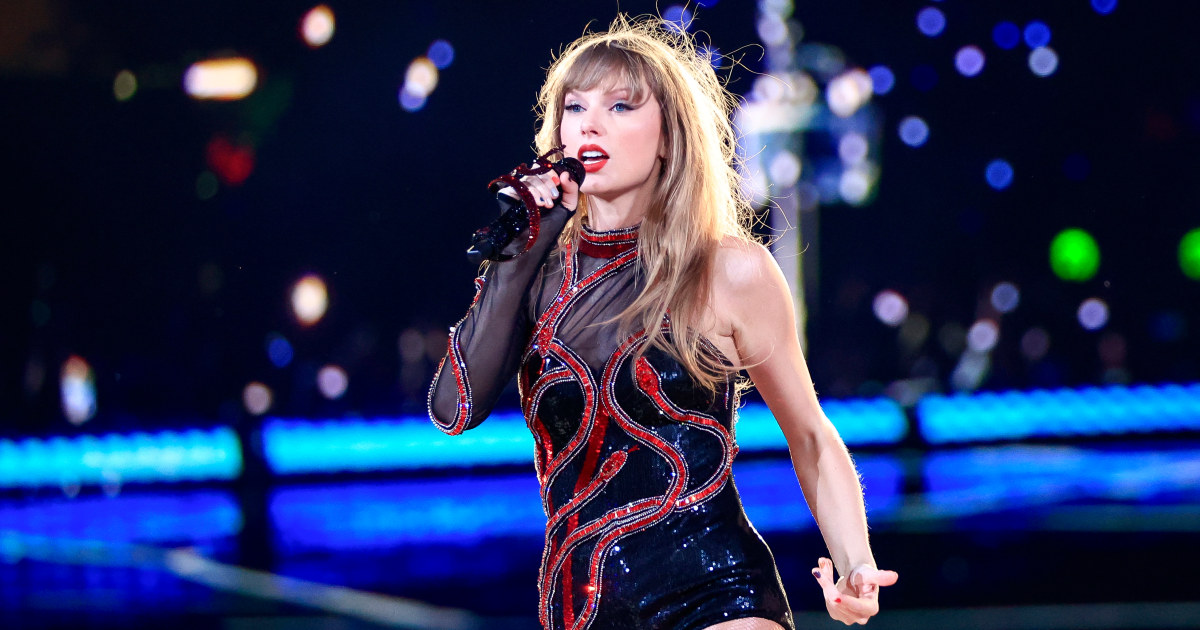
Taylor Swift’s ‘Eras’ tour is a celebration of her extensive catalog, showcasing her evolution as an artist over the years. With millions of fans eager to attend, the demand for tickets skyrocketed, leading to an unprecedented frenzy during the ticket sales. The tour was announced just as Swift was regaining momentum in a post-pandemic world, and many fans were eager to experience her live performances after long months of isolation.
This heightened demand created a perfect storm for scalpers—individuals or groups who purchase tickets with the intent to resell them at a markup. With ticket prices already inflated due to high demand, these scalpers were able to turn substantial profits, often at the expense of genuine fans who simply wanted to enjoy the show.
The Mechanics of Ticket Scalping
Ticket scalping typically operates through a few common strategies:
- Automated Bots: Scalpers often use sophisticated software to purchase large quantities of tickets as soon as they become available. These bots can bypass security measures and quickly complete transactions, leaving regular fans in the dust.
- Multiple Accounts: Some scalpers create multiple user accounts on ticket sales platforms to increase their chances of securing tickets. This tactic allows them to circumvent purchase limits enforced by ticketing agencies.
- Market Manipulation: Scalpers may buy up tickets in advance and then create artificial scarcity, driving up prices through resale markets.
In the case of Swift’s ‘Eras’ tour, the two individuals involved reportedly employed these tactics, leading to their significant profits. However, their actions did not go unnoticed, and legal repercussions soon followed.
Legal Action and Its Implications
The ticket scalping scandal quickly drew the attention of law enforcement and regulatory bodies. Prosecutors have launched investigations into the practices of these individuals, revealing not just a breach of ethics but, in many cases, violations of state laws regarding ticket sales.
Some key legal implications include:
- Fraud Charges: By artificially inflating ticket prices and using deceptive practices, scalpers can face serious fraud charges.
- Regulatory Changes: The scandal could lead to stricter regulations on ticket sales and resale, potentially aiming to protect consumers and ensure fair access to events.
- Consumer Backlash: As fans become increasingly aware of these practices, there is a growing outcry against scalpers, leading to calls for change from both the public and lawmakers.
The Ethics of Ticket Resale
At the heart of the ticket scalping scandal lies a broader ethical debate. While some argue that ticket resale is a legitimate business model, others contend that it undermines the spirit of live events. Fans who eagerly anticipate attending concerts often find themselves priced out, forced to accept inflated prices set by those looking to profit from their enthusiasm.
Some argue that ticket scalping should be regulated more strictly, while others believe that the free market should dictate prices. It raises the question: should fans have the right to purchase tickets at face value, or is it acceptable for market dynamics to dictate the prices?
Finding Solutions: How the Industry Is Responding
In light of recent scandals, the music industry and ticketing platforms are beginning to take action. Some potential solutions include:
- Implementing Anti-Bot Technology: Ticketing agencies are investing in technology to prevent automated purchases, ensuring that genuine fans have a fair shot at securing tickets.
- Transparency in Resale Markets: Platforms that facilitate ticket resale are being urged to disclose ticket origins and resale prices, fostering transparency.
- Legislative Action: Lawmakers are considering bills that would impose stricter regulations on ticket sales and scalping practices.
Conclusion: A Call for Change
The ticket scalping scandal involving Taylor Swift’s ‘Eras’ tour serves as a wake-up call for both the concert industry and fans. The staggering $600,000 profit made by the scalpers is a stark reminder of the darker side of the ticketing market. As legal actions unfold, it becomes increasingly clear that changes are needed to protect fans and ensure fair access to live entertainment.
As the industry grapples with these challenges, it is essential for fans, artists, and lawmakers to collaborate in creating an equitable ticketing landscape. By addressing the issues surrounding scalping and advocating for fair practices, we can pave the way for a future where attending live events is accessible to all, not just those willing to pay exorbitant prices.
This ongoing saga highlights the need for vigilance and action in the face of unethical practices. As we look toward a future filled with concerts and live performances, let’s hope that genuine fans can once again take center stage in the concert experience.
See more CNET Live