
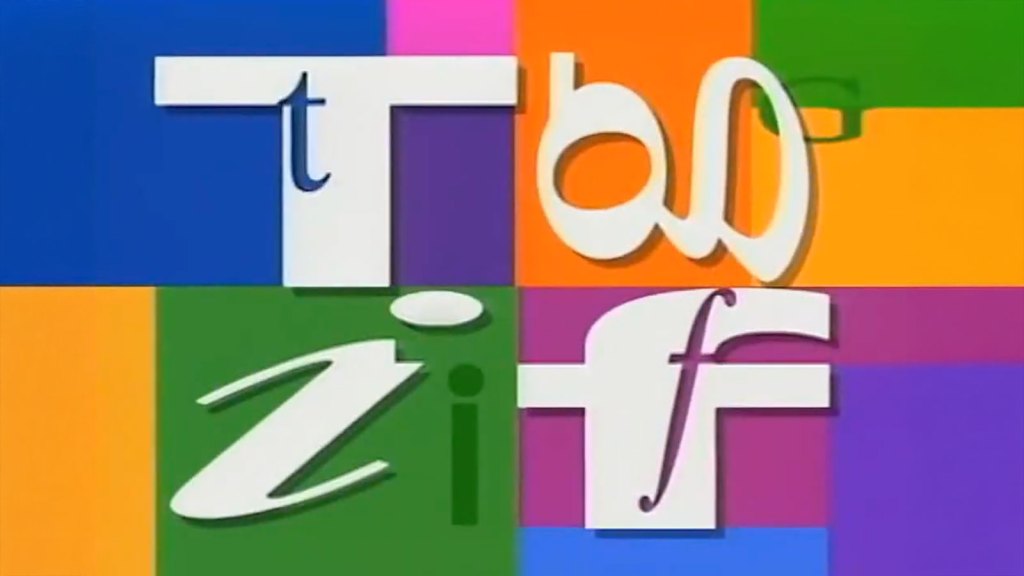
Unveiling the Truth: What TGIF Really Stands For According to ABC’s Creator
When you hear the acronym TGIF, your mind might immediately jump to the familiar phrase “Thank God It’s Friday.” This popular sentiment resonates with countless individuals who look forward to the weekend after a long workweek. However, the creator of ABC’s beloved TGIF programming block has revealed a surprising twist to this story. In this article, we’ll delve deep into the origins of TGIF, exploring its fascinating backstory and the significant cultural impact it has had over the years.
The Birth of TGIF
The TGIF programming block made its debut on ABC on September 22, 1989. It was designed to showcase a lineup of family-friendly sitcoms that aired on Friday nights. The concept, spearheaded by ABC executive and producer Robert Iger, aimed to create a cozy and entertaining atmosphere for families to gather and enjoy television together. While many viewers may associate TGIF with the excitement of the weekend, its inception had a more profound purpose.
The intention behind the name TGIF was not merely to celebrate the arrival of Friday, but rather to evoke a sense of community and family bonding. Robert Iger emphasized that the target demographic was families, and the programming aimed to provide wholesome entertainment that parents could feel comfortable sharing with their children.
The True Meaning of TGIF
So, what does TGIF really stand for? According to Iger, the acronym was intended to symbolize “Thank Goodness It’s Fun.” This slight shift in wording encapsulated the essence of the programming block. Instead of merely celebrating the end of the workweek, TGIF was designed to highlight the joy and fun that comes with spending quality time with loved ones.
This revelation challenges the long-held belief that TGIF simply meant “Thank God It’s Friday.” While the traditional interpretation has certainly become ingrained in popular culture, Iger’s insight provides a refreshing perspective on the intentions behind the beloved programming block.
The Impact of TGIF on Television Culture
The TGIF programming block quickly became a cultural phenomenon, capturing the hearts of audiences across America. With an array of hit shows such as “Full House,” “Family Matters,” and “Step by Step,” TGIF became synonymous with family entertainment on Friday nights.
- Full House: This iconic sitcom, featuring the lovable Tanner family, became a staple of the TGIF lineup and introduced audiences to the importance of family values and friendship.
- Family Matters: A spinoff of “Perfect Strangers,” this show introduced the unforgettable character Steve Urkel, whose antics brought humor and warmth to the series, reinforcing the message of acceptance and love within families.
- Step by Step: This series portrayed the challenges and joys of a blended family, highlighting the importance of unity and understanding in modern family dynamics.
These shows, among others, not only entertained viewers but also contributed to shaping family values during the ’90s. TGIF became a reliable source of laughter and heartfelt moments, drawing families together to enjoy a shared viewing experience.
The Evolution of TGIF
As the years progressed, TGIF continued to evolve, adapting to changing societal norms and viewer preferences. In the late ’90s and early 2000s, the programming block began to incorporate more diverse storytelling and characters, reflecting the multicultural fabric of American society.
However, by the early 2000s, TGIF faced challenges as television viewing habits shifted. The rise of cable networks and streaming services led to a decline in viewership for traditional broadcasting. In 2000, ABC officially discontinued the TGIF branding, marking the end of an era.
The Legacy of TGIF
Despite its eventual discontinuation, the legacy of TGIF remains strong. The programming block not only entertained millions but also left an indelible mark on television history. The shows that aired during this period continue to resonate with audiences, often finding new life through reruns and streaming platforms.
Moreover, TGIF has influenced subsequent generations of television programming. The concept of family-centered shows has persisted, with networks striving to recreate the magic that TGIF brought to Friday nights. Shows like “The Goldbergs” and “Young Sheldon” carry forward the spirit of family-friendly comedy, echoing the values that TGIF championed.
Why TGIF Matters Today
In an age where digital distractions abound, the essence of TGIF remains relevant. The idea of gathering as a family to enjoy entertainment together is more important than ever. As families navigate busy schedules and constant connectivity, finding time for shared experiences can foster deeper relationships and create lasting memories.
In light of this, the revelation from ABC’s creator about the true meaning of TGIF serves as a reminder of the importance of fun and connection in our lives. It encourages us to prioritize quality time with loved ones, embracing the joyous moments that come from simply being together.
Conclusion
In conclusion, the origins of TGIF extend far beyond the common interpretation of “Thank God It’s Friday.” The creator of ABC’s TGIF programming block, Robert Iger, sheds light on the true meaning: “Thank Goodness It’s Fun.” This insight not only highlights the intentions behind the programming but also underscores the enduring significance of family entertainment.
As we look back on the impact of TGIF, we are reminded of the power of television to bring families together and create shared experiences. The legacy of TGIF continues to inspire new generations, encouraging us to celebrate the joy of family, laughter, and connection in our everyday lives.
See more CNET Live