
Decoding the Dress: A Cultural Phenomenon
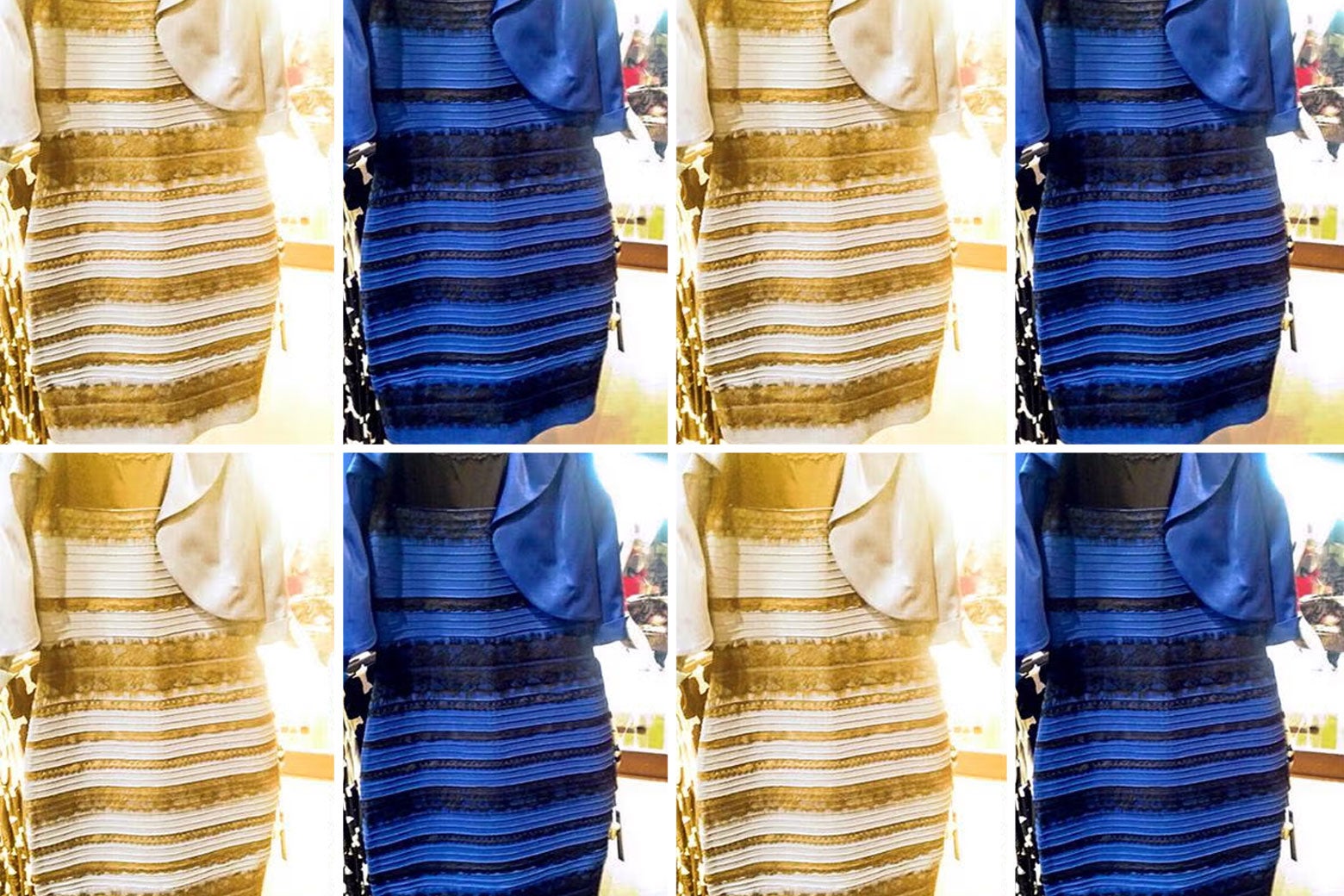
For a decade, the viral image known as “the dress” has sparked countless debates and discussions, captivating the minds of millions around the globe. This optical illusion, which appeared to be either blue and black or white and gold depending on the viewer’s perception, serves as a fascinating case study in human psychology and the impact of social media. In this article, we will explore the psychological and cultural implications of this enduring mystery, revealing insights about perception, reality, and the role of social media in shaping our understanding of the world.
The Origins of “The Dress”
The journey of “the dress” began in February 2015 when a photo of a dress was posted on social media by Caitlin McNeill, a Scottish singer. McNeill sought to determine the true colors of the dress after a disagreement with her friends over its appearance. The image quickly went viral, with people passionately debating whether the dress was blue and black or white and gold. This debate transcended social media platforms, leading to numerous memes, articles, and even scientific studies.
The Science Behind Perception
At the heart of the debate surrounding “the dress” lies a fascinating aspect of human perception. The phenomenon can be explained by the science of color perception and the way our brains interpret light. The dress’s colors depend on factors such as lighting conditions, background, and individual differences in color perception.
- Lighting Conditions: The illumination in which the dress is viewed can drastically affect its colors. In bright light, the dress may appear blue and black, while in dim light, it may seem white and gold.
- Individual Differences: Each person’s unique anatomy and brain function can lead to different interpretations of the same image. Factors such as age, eye health, and even cultural background can influence color perception.
This phenomenon highlights how subjective our experiences are. Just as people can look at the same dress and see different colors, individuals can interpret a wide range of stimuli in varied ways. It serves as a reminder that reality is often not as objective as we might think.
The Role of Social Media in Shaping Reality
The viral spread of “the dress” underscores the significant role social media plays in shaping our perceptions of reality. In an age where information travels at lightning speed, platforms like Twitter, Facebook, and Instagram can amplify debates and discussions, leading to widespread engagement. The dress became a perfect example of how social media can turn a simple image into a cultural phenomenon.
- Instant Communication: Social media allows for real-time discussions, enabling users to share their opinions instantly. This rapid exchange of ideas can create a sense of community around a particular topic.
- Viral Nature of Content: The dress’s striking nature, combined with the divisive opinions it generated, contributed to its virality. Memes and parodies flooded the internet, further entrenching the image in popular culture.
The intense engagement surrounding “the dress” also raises questions about the nature of truth and reality in the digital age. When everyone can share their perspective, how do we determine what is real? This question is increasingly relevant in an era marked by misinformation and echo chambers.
Psychological Implications
The debates over “the dress” also offer insights into human psychology. Our perceptions are not merely about seeing; they are deeply intertwined with our emotions, beliefs, and experiences. The strong reactions to the dress’s colors reveal how personal biases can shape our interpretations.
- Cognitive Dissonance: People often prefer to stick to their beliefs, even in the face of contrary evidence. This phenomenon was evident as individuals vehemently defended their view of the dress’s colors, showcasing cognitive dissonance.
- Group Dynamics: The discussions around the dress highlighted how social influences can affect individual perceptions. People were often swayed by their friends’ opinions or the prevailing narrative on social media.
Understanding these psychological factors can help us navigate the complexities of human interactions and perceptions. It reveals the importance of empathy and open-mindedness in discussions, as people can genuinely perceive the same object differently.
Lessons Learned from “The Dress”
As we reflect on the decade since “the dress” phenomenon emerged, several important lessons stand out:
- Perception is Subjective: Our experiences shape how we interpret the world. Recognizing this subjectivity can foster greater understanding and tolerance in our interactions.
- Social Media is Powerful: The role of social media in shaping public discourse cannot be understated. It has the potential to unite people around shared experiences but can also create divisions.
- Truth is Complex: As seen with “the dress,” reality can be nuanced and multifaceted. Engaging with differing perspectives can enrich our understanding of complex issues.
Conclusion: A Decade of Reflection
In conclusion, “the dress” has transcended its initial viral status to become a cultural touchstone, prompting discussions about perception, reality, and the influence of social media. It has taught us valuable lessons about human psychology and the complexities of truth in our digital age.
As we move forward, let us carry these insights with us—embracing the diversity of perception and fostering constructive dialogue in an increasingly polarized world. The next time you encounter a debate about the nature of reality, remember the dress and the colorful discussions it sparked.
See more CNET Live