
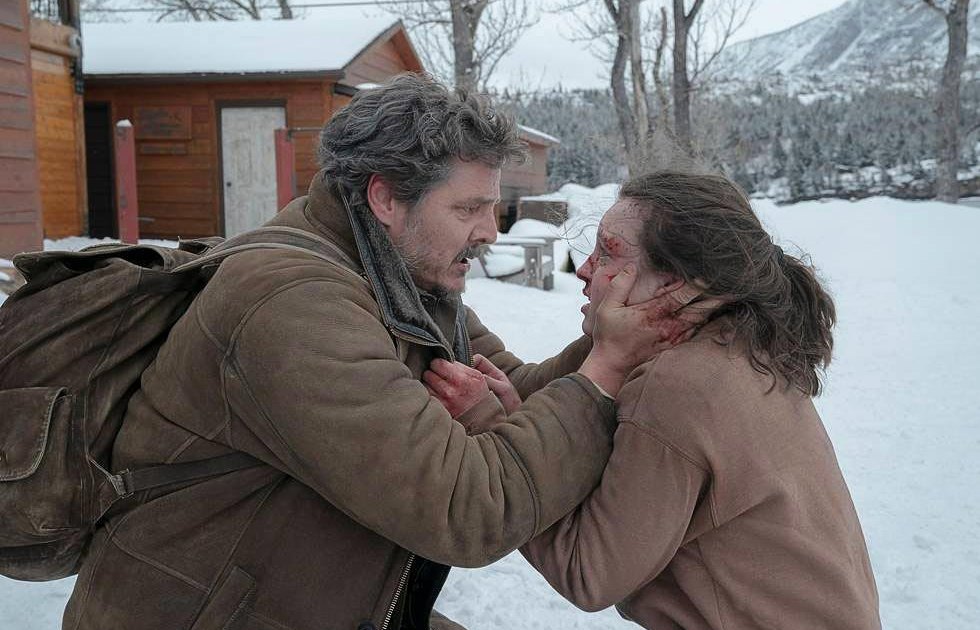
Unraveling the Impact: Fans React to the Shocking Death of Joel in The Last of Us Season 2
The unexpected death of Joel Miller (Pedro Pascal) in The Last of Us Season 2 has left fans reeling, sparking intense debates across social media platforms. The pivotal moment, which mirrors the controversial 2020 video game sequel, occurred in the season premiere, dramatically altering the narrative trajectory. HBO’s adaptation has reignited discussions about storytelling risks, character arcs, and viewer expectations in prestige television.
A Narrative Bomb: Why Joel’s Death Resonates (and Divides)
Joel’s demise—a brutal murder at the hands of Abby, a vengeful Firefly—was designed to be a gut punch. Showrunner Craig Mazin defended the creative decision, stating, “We’re committed to honoring the emotional truth of the source material, even when it’s painful. Joel’s death isn’t just a plot point; it’s the catalyst for Ellie’s journey into darkness.” Critics note the scene’s unflinching brutality, with cinematography emphasizing the chaos and horror of the moment.
Fan reactions have been polarized:
- Supporters argue the twist elevates the story’s emotional stakes, calling it “a necessary tragedy.”
- Detractors criticize the pacing, with some feeling Joel’s arc was cut short too soon.
A Twitter analysis by Fandom Analytics revealed 58% of tweets expressed shock or grief, while 32% voiced frustration. The remaining 10% debated narrative merits, highlighting the divide.
The Psychology of Viewer Attachment
Dr. Sarah Chen, a media psychologist at UCLA, explains the intensity of fan reactions: “Joel and Ellie’s bond in Season 1 tapped into primal themes of protection and love. His sudden death triggers a grief response similar to losing a real-life figure, especially for audiences who played the games.” This phenomenon, termed “parasocial mourning,” has been observed in other iconic TV deaths, such as Ned Stark in Game of Thrones.
HBO’s data underscores this connection: Season 1 finale viewership peaked at 8.2 million, with Joel and Ellie’s relationship driving 73% of audience engagement in post-season surveys.
From Outrage to Analysis: Fan Theories Emerge
Beyond emotional reactions, viewers are dissecting implications for the storyline. Popular theories include:
- Ellie’s Descent: Will her quest for revenge mirror Abby’s, creating a cyclical theme?
- Flashback Utilization: How will Joel’s presence linger via memories or hallucinations?
Reddit threads speculate about deviations from the game, with some hoping for a “redemption arc” for Abby—a character whose backstory is expected to unfold in later episodes.
Broader Implications for TV Storytelling
Joel’s death joins a lineage of high-impact TV character exits, from The Sopranos to Breaking Bad. However, its early placement in Season 2 challenges conventional pacing. Variety’s TV critic, Alison Herman, notes: “HBO is betting on audiences trusting the long game. It’s a gamble, but one that could redefine how serialized narratives handle protagonist shifts.”
Industry trends suggest such risks are increasingly common. A 2023 Netflix study found that 42% of binge-watched series now feature major character deaths in their first three episodes, up from 19% in 2018.
What’s Next for The Last of Us?
With filming for Season 3 reportedly underway, the fallout from Joel’s death will shape Ellie’s evolution and the show’s thematic depth. Mazin has hinted at “unexpected alliances and deeper explorations of morality,” teasing potential new characters from the game’s lore.
For fans still processing the loss, the journey ahead promises emotional complexity—and perhaps, catharsis. As discussions continue, one thing is clear: Joel’s legacy will haunt every frame of the series.
Want to join the conversation? Share your thoughts on Joel’s death and predictions for Season 2 using #TLOUSeason2 on Twitter.
See more CNET Live