
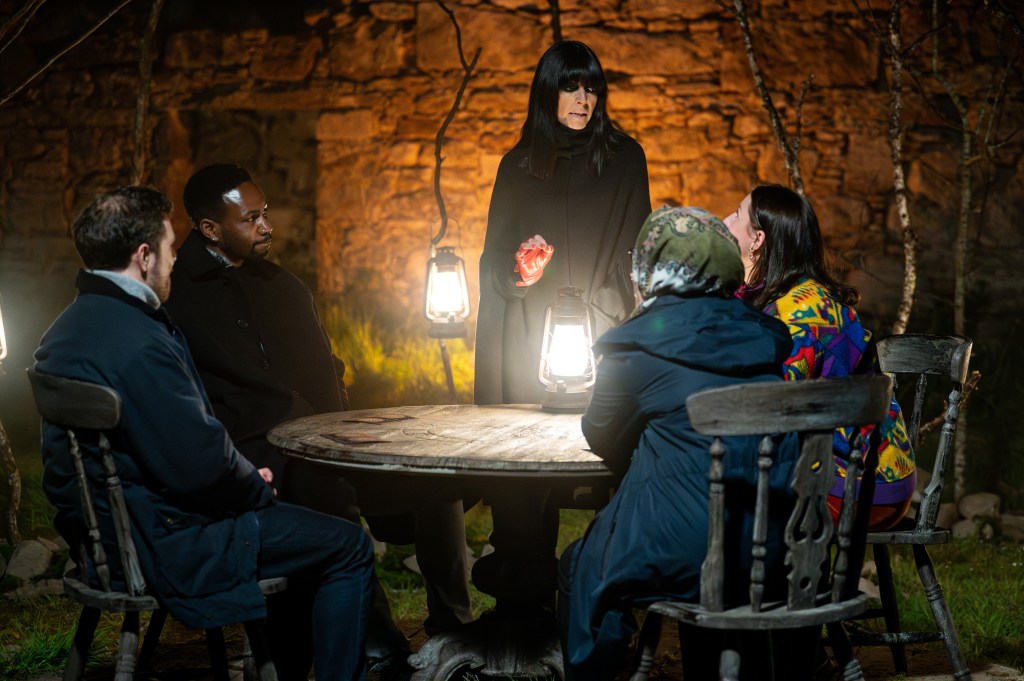
Behind the Scenes: How BBC and Ofcom Rectified Missteps on ‘The Traitors’ Season 1
In an unexpected turn of events, the BBC and Ofcom took corrective measures regarding the portrayal of Scottish talent in the inaugural season of ‘The Traitors’. This action has sparked discussions on media representation, the responsibilities of broadcasters, and the intricate relationship between public perception and television programming. This article delves into the implications of these corrections and their impact on public perception, highlighting the significance of representation in contemporary media.
The Controversy Unfolds
When ‘The Traitors’ first aired, it quickly gained popularity for its unique format, combining elements of strategy, deception, and social interaction. However, as viewers engaged with the show, concerns emerged regarding the representation of Scottish contestants. Critics pointed out that the portrayal seemed to lean towards stereotypes, overshadowing the diverse talents and personalities present among the Scottish participants.
The backlash was swift and vocal. Fans and critics alike expressed their disappointment through various platforms, including social media and traditional news outlets. This uproar prompted both the BBC and Ofcom to reassess their roles in portraying Scottish talent accurately and fairly.
BBC’s Response: A Commitment to Fair Representation
In response to the public outcry, the BBC took immediate steps to address the situation. They acknowledged the importance of showcasing the talents and stories of individuals from all regions of the UK, particularly Scotland, which has a rich cultural heritage. The BBC stated that they are committed to diversity and inclusion in their programming and that they would work to ensure that Scottish contestants receive fair treatment and representation in future seasons.
To further demonstrate their commitment, the BBC announced the implementation of new guidelines for producers. These guidelines are designed to promote a balanced and authentic portrayal of all contestants, regardless of their background. By focusing on individual narratives rather than resorting to clichés, the BBC aims to enrich the viewing experience while honoring the diverse contributions of Scottish talent.
Ofcom’s Oversight: Ensuring Accountability
As the regulator of broadcasting standards in the UK, Ofcom plays a crucial role in maintaining the integrity of media representations. Following the complaints about ‘The Traitors’, Ofcom initiated a review of the show’s content to assess whether it violated any broadcasting codes. Their investigation sought to determine if the portrayal of Scottish contestants was misleading or detrimental.
Ofcom’s findings indicated that while the show did not strictly breach broadcasting regulations, there were significant areas for improvement regarding the representation of Scottish individuals. The regulator emphasized the need for broadcasters to be vigilant about how they depict diverse groups, reinforcing the idea that media has a powerful influence on public perception.
The Impact of Corrections on Public Perception
The corrective measures taken by the BBC and Ofcom have broader implications beyond the realm of ‘The Traitors’. They highlight an ongoing conversation about the responsibilities of broadcasters in shaping public perception through media. By actively addressing concerns, the BBC and Ofcom have shown that they value feedback from the audience and are willing to make changes to enhance the quality of their programming.
This proactive approach is essential in an era where audiences are increasingly aware of representation issues. Viewers are more likely to question how their cultures and identities are portrayed on screen. In this context, the corrective actions taken by the BBC and Ofcom serve as a reminder that media organizations must be accountable for their narratives and the impact they have on public opinion.
Lessons Learned: Moving Forward
The events surrounding ‘The Traitors’ serve as a case study for media organizations aiming to improve their portrayal of diverse groups. Here are several key lessons learned:
- Engagement with Audiences: Broadcasters should actively engage with their audiences to understand their perspectives and concerns. This engagement can take the form of surveys, social media interactions, and focus groups.
- Diversity in Production Teams: Having a diverse production team can lead to more authentic storytelling. Including voices from various backgrounds ensures that multiple perspectives are considered during the creative process.
- Regular Training and Awareness Programs: Media organizations should implement regular training for staff on issues related to representation and diversity. Such programs can raise awareness and foster a culture of inclusivity.
- Transparency in Content Creation: Being transparent about the content creation process can help build trust with audiences. When viewers understand how decisions are made, they are more likely to feel represented and respected.
Conclusion: A Step Towards Positive Change
The corrective measures taken by the BBC and Ofcom regarding ‘The Traitors’ Season 1 highlight the importance of accountability in media representation. By addressing the missteps and committing to fair portrayal, both organizations have set a precedent for future programming. This incident serves as a crucial reminder that media has the power to shape perceptions and that broadcasters must strive for accuracy and authenticity in their narratives.
As we move forward, it is essential for media organizations to embrace diversity and take audience feedback seriously. The steps taken by the BBC and Ofcom are not just about rectifying past mistakes but about fostering a media landscape where all individuals feel represented and valued. In doing so, they can contribute to a richer, more inclusive storytelling tradition that resonates with audiences across the UK and beyond.
See more CNET Live