
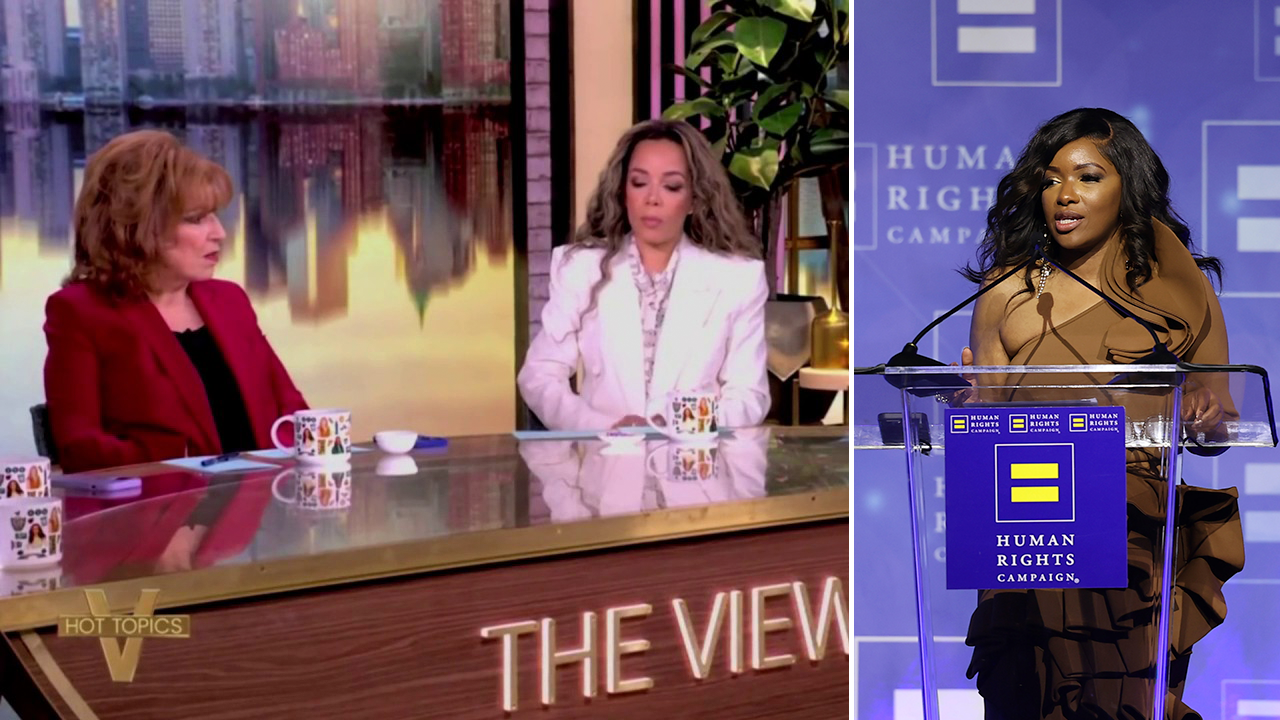
The View’s Controversial Moment: Hosts Confront Jasmine Crockett Over Disability Remarks
Tensions flared on the popular daytime talk show “The View” recently when hosts confronted Texas Representative Jasmine Crockett regarding her disparaging comments about Governor Greg Abbott’s disability. This incident ignited a heated debate on political discourse, respect, and responsibility, leaving viewers and commentators divided over the appropriateness of such remarks in today’s political climate.
The Incident Unfolds
During a segment focused on the ongoing political battles in Texas, Crockett made remarks that many interpreted as mocking the governor’s disability. Abbott, who has been confined to a wheelchair due to a severe injury he sustained in a 1984 accident, has been a controversial figure in Texas politics, particularly regarding his policies on disability rights and healthcare.
Crockett’s comments received immediate backlash, not only from the show’s hosts but also from viewers on social media. The hosts of “The View,” known for their candid discussions, did not shy away from challenging Crockett on her choice of words. They emphasized the importance of respectful dialogue, especially when discussing issues related to disabilities.
Understanding the Context
To fully grasp the implications of this incident, it’s crucial to understand the broader context of political discourse in the United States today. The polarization of political opinions has led to an environment where personal attacks and disparaging remarks are increasingly common. However, the question remains: should there be limits to political commentary, especially when it involves sensitive issues like disability?
- Disability in Politics: Disability representation in politics is an important topic, as it highlights the experiences and challenges faced by millions of Americans. The way politicians discuss disabilities can significantly impact public perception and policy.
- Responsibility of Public Figures: Public figures, including politicians and media personalities, hold a significant responsibility to foster constructive dialogue. The words they choose can either uplift communities or perpetuate stigma.
- The Role of Media: Shows like “The View” play a vital role in shaping public opinion. How they address controversial issues can influence viewers’ understanding and attitudes towards those topics.
Hosts’ Reactions and Public Response
The hosts of “The View” expressed their disappointment with Crockett’s comments, stressing the importance of empathy and understanding in political conversation. Whoopi Goldberg, one of the show’s co-hosts, emphasized that “disability is not a punchline,” urging all politicians to be mindful of their language. This sentiment resonated with many viewers who appreciated the call for respect.
Social media platforms erupted with reactions, with some supporting Crockett’s right to express her opinions, while others condemned her remarks as disrespectful and hurtful. The incident sparked discussions about the fine line between political satire and offensive commentary.
Implications for Political Discourse
The confrontation on “The View” raises significant questions about the current state of political discourse. As society becomes increasingly polarized, the expectations for civility in political dialogue are more critical than ever. Here are some implications to consider:
- Empathy in Politics: Politicians must strive to create an empathetic dialogue that respects the experiences of all constituents, including those with disabilities. This can lead to better policies and a more inclusive society.
- Political Satire vs. Disrespect: While humor can play a role in politics, it is essential for comedians and commentators to balance satire with respect. Disparaging remarks can alienate voters and exacerbate divisions.
- Media’s Role in Shaping Narratives: Media programs should encourage constructive discussions that elevate important issues rather than diminish them through mockery. This shift can help foster a more informed and engaged public.
Looking Ahead: The Future of Political Communication
As we move forward, the expectations for political communication will likely evolve. Here are a few trends and considerations that may shape the future:
- Increased Advocacy: Advocates for people with disabilities are likely to become more vocal in demanding respectful discourse from politicians and public figures. This may lead to greater accountability for comments made in public forums.
- Public Awareness Campaigns: Initiatives aimed at raising awareness about the importance of respectful language regarding disabilities may gain traction. Educational campaigns can help inform politicians and the public alike.
- Changing Media Landscapes: With the rise of digital platforms and social media, the way political discourse is conducted is shifting. Engaging with audiences online can create opportunities for more nuanced discussions.
Conclusion
The recent confrontation on “The View” over Jasmine Crockett’s remarks about Governor Greg Abbott’s disability serves as a critical moment in the ongoing conversation about respect in political discourse. As hosts challenged Crockett’s comments, they highlighted the need for empathy and responsibility in dialogue, especially concerning sensitive topics like disability.
As we reflect on this incident, it’s clear that the responsibility lies with all of us—politicians, media figures, and the public—to foster a culture of respect and understanding. By doing so, we can create a more inclusive environment where all voices are valued, and meaningful discussions can thrive.
Ultimately, the goal should not only be to engage in political debates but to do so in a manner that uplifts and respects the dignity of all individuals, regardless of their circumstances. This incident serves as a reminder that words matter, and the way we choose to communicate can shape the future of our political landscape.
See more CNET Live