
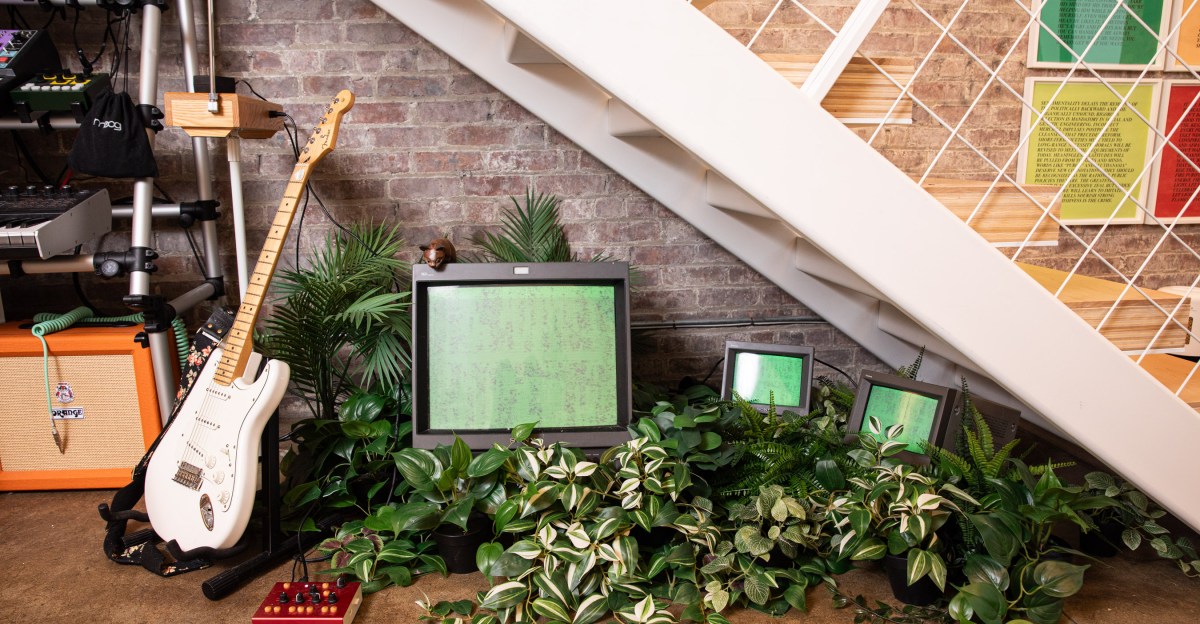
Rediscovering Sound: The Artistry of Retro-Tech in Modern Theatre
The world of theatre is an ever-evolving landscape, where tradition and innovation often collide to create compelling experiences for audiences. In this realm, sound design plays a pivotal role in shaping narratives and enhancing emotional depth. Recently, there has been a remarkable resurgence in the use of retro technology to craft soundscapes that resonate with both nostalgia and modern artistry. This article delves into the fascinating journey of two innovative sound designers who are leading the charge in rediscovering sound through retro-tech, transforming the auditory experience on stage.
The Evolution of Sound Design in Theatre
Sound design has come a long way since the early days of theatre, where live musicians and atmospheric sound effects set the tone of performances. In the 20th century, the advent of electronic sound systems revolutionized how sound was integrated into theatrical productions. However, as technology advanced, many sound designers began to lean heavily on digital tools, leaving behind the tactile, organic qualities of earlier sound-making methods.
Today, a new wave of designers is embracing retro technology, blending it with modern techniques to create unique auditory experiences. This return to vintage sound equipment and methods not only fosters a sense of nostalgia but also introduces new textures and layers to soundscapes that digital tools often can’t replicate.
Meet the Innovators: A Dive into Their Work
Two sound designers at the forefront of this retro revival are Emily Carter and Marcus Lee. Both have found unique ways to incorporate vintage technology into their sound design processes, crafting immersive experiences that captivate and engage audiences.
Emily Carter: Crafting Soundscapes with Analog Warmth
Emily Carter, a seasoned sound designer with a penchant for the analog, has made waves in the theatre community by integrating vintage tape machines and synthesizers into her work. She believes that these older technologies bring a warmth and depth that digital sound often lacks.
In her recent production of “The Tempest,” Carter utilized a 1970s reel-to-reel tape recorder to create ethereal sound effects that complemented the play’s mystical elements. By layering sounds recorded on tape, she crafted a rich tapestry of auditory experiences that resonated with the audience.
- Use of Vintage Equipment: Carter’s choice of equipment allows for a unique manipulation of sound, resulting in a distinct auditory signature.
- Nostalgic Quality: The warmth of analog sound evokes a deep emotional response, enhancing the storytelling experience.
- Interactivity: Carter often collaborates with musicians to create live soundscapes, blurring the lines between performer and audience.
Marcus Lee: Reviving Classic Instruments for Modern Audiences
On the other side of the spectrum, Marcus Lee is known for his innovative use of vintage instruments, particularly the theremin and the musical saw. These instruments, often associated with early 20th-century music, have found new life in contemporary theatre under Lee’s mastery.
In his acclaimed production of “Frankenstein,” Lee employed the theremin to evoke a sense of horror and unease. The distinct sound of this electronic instrument, with its eerie tones, perfectly complemented the play’s themes of creation and monstrosity.
- Unique Sound Palette: By incorporating instruments like the theremin, Lee expands the auditory palette available to modern sound design.
- Historical Context: Using retro instruments adds a layer of historical significance, connecting contemporary audiences with the past.
- Collaboration with Musicians: Lee collaborates with skilled musicians to create live sound experiences that heighten the emotional impact of performances.
The Intersection of Nostalgia and Modern Artistry
The artistry of retro-tech in modern theatre is not just about the equipment; it’s about the emotional and narrative resonance that these sounds create. Both Carter and Lee understand that sound is a crucial storyteller in its own right, capable of evoking feelings and memories that enhance the visual aspects of theatre.
One of the key benefits of rediscovering retro sound technology is the opportunity it presents for deeper audience engagement. When audiences hear the familiar sounds of analog tape or vintage instruments, they may be transported back to their own memories, forging a stronger connection to the performance.
Moreover, the process of using retro technology often invites a level of unpredictability and experimentation that can lead to unexpected artistic breakthroughs. The physicality of manipulating analog equipment or playing a vintage instrument adds an element of spontaneity that digital tools can sometimes lack.
Challenges and Considerations
Despite the numerous advantages of using retro technology in sound design, there are also challenges that designers must navigate. The maintenance of vintage equipment can be demanding, often requiring specialized knowledge and skills that are less common in the current digital age. Furthermore, the integration of analog sounds with modern digital systems can sometimes lead to technical difficulties.
Additionally, sound designers must strike a balance between nostalgia and innovation. While retro sounds can enhance a production, over-reliance on them may risk overshadowing contemporary narratives or themes. As with any artistic endeavor, the key lies in finding the right mix that serves the story best.
The Future of Sound Design in Theatre
As the theatre community continues to explore the potential of retro technology, it’s clear that the artistry of sound design is in a state of exciting transformation. The innovative approaches of designers like Emily Carter and Marcus Lee serve as a testament to the enduring power of sound in storytelling.
Looking ahead, it’s likely that we’ll see even more fusion of old and new techniques as sound designers experiment with various technologies. This ongoing exploration not only enriches the theatrical experience but also invites audiences to engage with performances on a deeper, more emotional level.
Conclusion
Rediscovering sound through the lens of retro technology in modern theatre is a celebration of both the past and the present. As sound designers continue to innovate and push boundaries, audiences are treated to auditory experiences that are as rich and varied as the stories being told on stage. The blend of nostalgia and modern artistry opens up new avenues for creativity, ensuring that sound will remain a vital force in theatre for years to come.
In this evolving landscape, it’s clear that rediscovering sound is not just about the technology itself; it’s about how it enhances the human experience, connecting us to stories in ways we might never have imagined.
See more CNET Live