
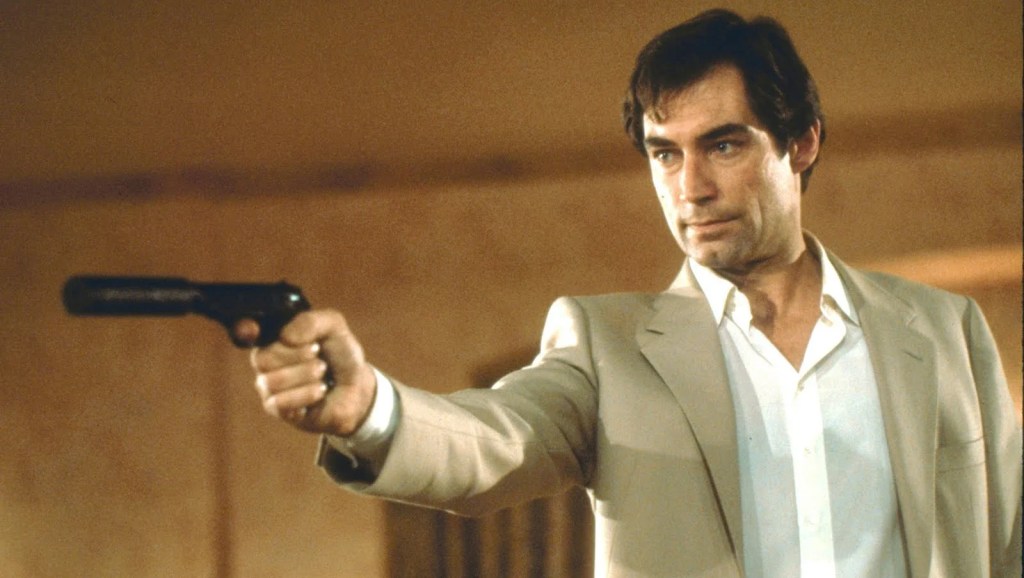
Timothy Dalton Critiques Amazon’s Controversial Creative Control Over James Bond
Timothy Dalton, the actor renowned for his portrayal of James Bond in the late 1980s, has voiced significant concerns regarding Amazon’s recent acquisition of the James Bond franchise. As the tech giant takes the reins of this iconic cinematic universe, Dalton’s critiques shine a light on the potential implications of corporate influence on storytelling and, more importantly, the future direction of one of cinema’s most cherished characters.
Understanding Amazon’s Role in the Bond Franchise
In 2021, Amazon acquired MGM, the studio that owns the rights to the James Bond films, paving the way for the tech company to exert creative control over the franchise. This acquisition has raised eyebrows among fans and industry experts alike, with many questioning how a corporate entity, primarily focused on profit and marketability, might shape the narrative arc and character development of James Bond going forward.
Dalton, who played Bond in The Living Daylights (1987) and Licence to Kill (1989), expressed his discontent in a recent interview. He believes that the essence of Bond—its charm, grit, and sophistication—could be diluted under corporate oversight. According to Dalton, the decision-making process may prioritize commercial viability over artistic integrity, which could lead to a franchise that feels more like a product than a story.
The Artistic Integrity of Bond: A Delicate Balance
For decades, James Bond has been a staple of British culture and a symbol of cinematic excellence. The series has evolved, reflecting the changing times while maintaining its core identity. Dalton’s portrayal, in particular, was marked by a more nuanced and complex interpretation of Bond, steering away from the more flamboyant depictions of his predecessors. This depth added layers to the character, showcasing Bond as a troubled hero rather than a mere action figure.
Dalton worries that Amazon’s approach could revert to a formulaic representation of Bond, emphasizing action sequences and visual spectacle over character development and narrative depth. He argues that this could undermine the storytelling that has made Bond films resonate with audiences for generations. The risk is that under Amazon’s influence, there might be a push for more marketable content, sacrificing the very essence that has defined Bond.
The Impact of Corporate Influence on Film
The debate over corporate influence in the film industry is not new. As streaming services have expanded their reach, traditional storytelling has often been compromised for the sake of broader appeal and profitability. Dalton’s critiques remind us of the delicate balance between commerce and artistry.
Many industry insiders have raised similar concerns. For instance:
- Creative Freedom: Filmmakers often find their creative choices stifled by corporate demands to cater to a wider audience.
- Franchise Fatigue: The increasing focus on established franchises can lead to a lack of originality, with studios hesitant to take risks on new ideas.
- Character Integrity: Long-standing characters can suffer when corporate agendas dictate their development, leading to inconsistencies that frustrate loyal fans.
Dalton’s insights resonate with many who cherish the rich history of James Bond. The series has always been about pushing boundaries while staying true to its roots. As audiences, we seek depth and complexity in our heroes, not just mindless action.
The Future of James Bond: A Crossroads
As the Bond franchise stands at a crossroads, the question remains: how will Amazon’s stewardship shape its future? Dalton’s critiques serve as a cautionary tale, one that urges producers and executives to consider the long-term implications of their decisions. While corporate involvement can bring resources and marketing prowess, it can also dilute the artistic vision that has defined the series.
Fans are eager to see where the franchise goes next. The success of No Time to Die demonstrated that there is still a thriving audience for Bond, eager for fresh narratives that explore contemporary themes while retaining the franchise’s classic flair. Dalton advocates for a return to character-driven storytelling that reflects the complexities of the modern world, rather than succumbing to the pressures of commercial viability.
Exploring Alternatives: A Collaborative Approach
One potential solution to the challenges posed by corporate control is a more collaborative approach. Engaging seasoned filmmakers and writers who understand the essence of Bond could help maintain the franchise’s integrity. This might involve:
- Hiring Visionary Directors: Directors with a passion for the character and a track record of innovative storytelling could rejuvenate the franchise.
- Emphasizing Character Development: Future scripts should focus on the inner conflicts and evolution of Bond, making him relatable to modern audiences.
- Community Input: Engaging with fans through social media and marketing campaigns could provide valuable insights into what audiences want to see.
By prioritizing collaboration over corporate mandates, the Bond franchise can innovate while respecting its heritage. The goal should be to create films that resonate with both new viewers and long-time fans, ensuring that the character of James Bond remains timeless.
Conclusion: A Call for Balance
Timothy Dalton’s critiques of Amazon’s creative control over the James Bond franchise resonate deeply within the film community. As the boundaries between commerce and creativity continue to blur, it is essential to advocate for storytelling that honors its roots while embracing innovation. The future of Bond depends on finding a balance between corporate interests and artistic integrity—one that respects the legacy of this iconic character while paving the way for new adventures.
Ultimately, Dalton’s concerns serve as a reminder that while the business of film may evolve, the heart of storytelling—character, depth, and authenticity—should always remain at the forefront of cinematic endeavors. As fans, we can only hope that the legacy of James Bond will continue to thrive in a way that honors its past while looking boldly toward the future.
See more CNET Live