
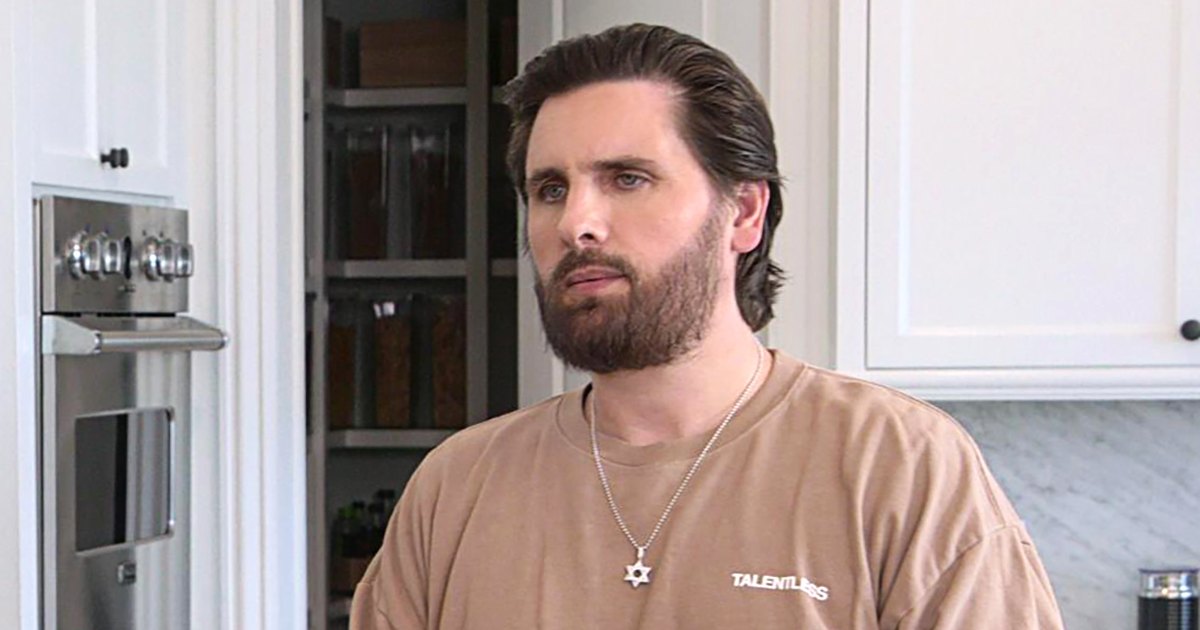
Scott Disick Sparks Debate with $2 Tip on $50 Bill: Understanding Tipping Etiquette
Recently, the reality television star Scott Disick found himself at the center of a fiery discussion regarding tipping etiquette after he left a mere $2 tip on a $50 bill at a restaurant. This incident has reignited conversations about societal expectations surrounding gratuity, particularly within the service industry. As the world continues to evolve, so too do the norms and standards of tipping. This article delves into the implications of Disick’s actions, exploring the broader context of tipping etiquette, and how it reflects cultural values and expectations.
The Incident: A $2 Tip on a $50 Bill
Scott Disick, known for his appearances on “Keeping Up With the Kardashians” and his flamboyant lifestyle, dined out recently and left a tip that many deemed shockingly low. A $2 tip on a $50 bill translates to a mere 4%, which is significantly below the customary tipping range of 15-20% in most settings. This act has not only stirred opinions about Disick’s personal values but also highlighted the ongoing debate about tipping practices across different social strata.
Understanding Tipping Etiquette
Tipping is often seen as a reflection of personal values, service quality, and cultural norms. While many people accept the standard tipping rates, others either challenge them or lack understanding of the expectations. Here are some key aspects of tipping etiquette to consider:
- Standard Practices: The general guideline in the U.S. is to tip between 15% to 20% of the total bill. This rate can vary based on the quality of service received and the type of establishment.
- Regional Differences: Tipping norms can differ significantly from one country to another. For instance, in Japan, tipping can be considered rude, whereas in the U.S., it is an expected part of dining out.
- Service Quality: Many diners adjust their tips according to the service they receive. Exceptional service may warrant a higher tip, while poor service may lead to a reduced gratuity.
- Industry Standards: Workers in the service industry often rely on tips as a significant part of their income, especially in roles like waitstaff and bartenders. This economic reality underscores the importance of tipping fairly.
The Debate: Is Tipping Outdated?
The incident involving Scott Disick has prompted many to question the very concept of tipping. Some argue that the practice is outdated, suggesting that service workers should receive fair wages without relying on gratuities. Advocates for abolishing tipping argue that it leads to income instability for workers and perpetuates inequality in wage distribution.
In a world where the minimum wage for service workers varies widely, the conversation about tipping becomes increasingly relevant. For instance, in states where servers earn a lower minimum wage due to tips, the reliance on gratuity can create disparities in income among workers. This has led some restaurants to adopt a no-tipping policy, opting instead to raise menu prices and provide livable wages to their staff.
Impacts of Social Media on Tipping Culture
In today’s digital age, incidents like Disick’s tipping behavior can quickly spread through social media, influencing public perception and behavior. Social media platforms amplify discussions around tipping etiquette, often leading to viral debates that can impact an individual’s reputation. For instance, celebrities and public figures now face greater scrutiny regarding their tipping practices, which can shape their image among fans and followers.
Additionally, social media has become a platform for education on tipping etiquette. Many users share personal experiences, advice, and guidelines, helping to create a more informed dining culture. This collective knowledge can lead to shifts in attitudes about what constitutes acceptable tipping behavior.
Alternative Perspectives on Tipping
While many view tipping as a societal expectation, there are alternative perspectives worth considering:
- Cultural Sensitivity: Understanding that different cultures have diverse practices regarding gratuity can promote respect and inclusivity. It’s essential to be aware of local customs, especially when traveling.
- Personal Values: Some individuals base their tipping practices on personal beliefs and experiences. For instance, someone who has worked in the service industry may have a deeper appreciation for tipping and may adhere strictly to standard practices.
- Economic Conditions: In times of economic hardship, such as during a recession or a global pandemic, many people may struggle to tip at the customary rates. This highlights the need for empathy and understanding in evaluating tipping behavior.
The Way Forward: Encouraging Fair Tipping Practices
As the discussions surrounding Scott Disick’s tipping habits continue, it’s vital to promote a culture of fair tipping. Here are some recommendations for diners:
- Educate Yourself: Understanding the role of tips in the service industry can help diners make informed decisions about gratuity.
- Consider Service Quality: Always evaluate the service received. If the service was exceptional, consider tipping above the standard range.
- Be Mindful of Economic Conditions: Recognize that not everyone can afford to tip generously, and approach discussions about tipping with empathy.
Conclusion: A Reflection on Societal Values
Scott Disick’s $2 tip on a $50 bill has sparked a significant debate about tipping etiquette, revealing the complexities and cultural nuances surrounding gratuity. As societal norms continue to evolve, it is crucial to engage in open discussions about the implications of tipping practices and their impact on service workers. While tipping may seem like a small gesture, it carries weight in the broader context of economic stability and social responsibility. By fostering a culture of fair tipping, diners can contribute positively to the service industry and support the hardworking individuals who make dining experiences enjoyable.
See more CNET Live