
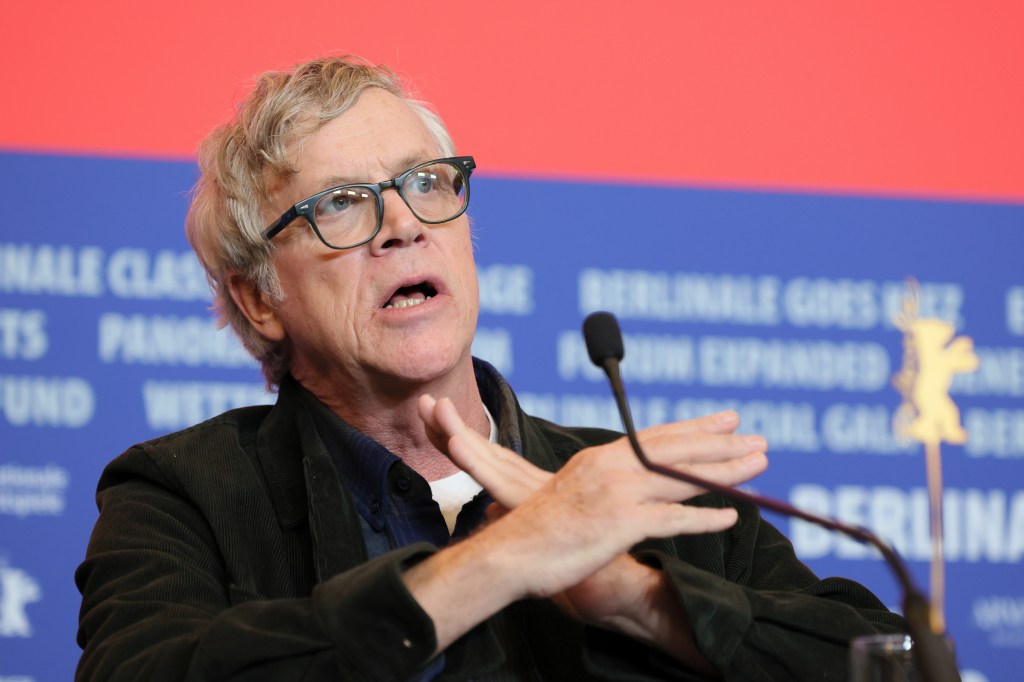
Todd Haynes Reflects on Trump’s Early Presidency: A Cinematic Lens on Crisis and Destabilization
In a thought-provoking interview held during the Berlinale Film Festival, acclaimed director Todd Haynes dived deep into the tumultuous early days of Donald Trump’s presidency. Through his artistic lens, Haynes analyzed the profound themes of crisis and destabilization that marked this period of American politics. His reflections raise essential questions about the intersection of cinema, storytelling, and the political landscape, particularly in times of upheaval.
The Art of Storytelling Amidst Political Turmoil
Haynes, known for his distinctive cinematic style and exploration of complex social issues, draws parallels between the narratives in his films and the narratives emerging from contemporary politics. He suggests that art can serve as a powerful tool for understanding and processing societal upheaval. “Storytelling has always been a means of making sense of chaos,” he remarked, emphasizing how film can reflect and influence public sentiment.
In examining the early presidency of Trump, Haynes pointed out that the media landscape had shifted dramatically. The rise of social media and the proliferation of alternative facts created a complex web of narratives that often contradicted established truths. This destabilization of information, he argued, parallels the narrative structures found in his films, where characters grapple with identity and reality.
Reflections on Crisis and Identity
One of the critical themes that emerged in Haynes’s discussion was the notion of identity—both personal and national. The early days of the Trump administration saw a fracturing of traditional identities in American society, as various groups wrestled for recognition and power. Haynes noted that his films often explore the fluidity of identity, reflecting the struggles of individuals in a rapidly changing world.
“In times of crisis, we often see the best and worst of ourselves,” he explained. “As a filmmaker, I aim to capture that complexity, to show the multifaceted nature of human experience.” This complexity is evident in his works, such as “Carol” and “Far from Heaven,” where characters navigate societal expectations and personal desires against the backdrop of cultural upheaval.
Political Narratives and Cinematic Parallels
Haynes’s reflections extend to the broader implications of political narratives in cinema. He pointed out that filmmakers have a unique responsibility to engage with the political landscape, particularly during crises. “The stories we tell can shape public discourse,” he asserted. “They can challenge dominant narratives and offer alternative viewpoints.”
- The Role of Documentaries: Haynes highlighted the importance of documentary filmmaking in capturing the essence of political events. Documentaries serve as a historical record, providing insights into the realities of political crises.
- Fiction as a Mirror: He also emphasized how fiction can mirror reality, creating a space for audiences to reflect on their own experiences. Films that address societal issues can inspire dialogue and foster understanding.
As he navigates the complexities of the political landscape through his work, Haynes encourages filmmakers to embrace the challenge of storytelling in turbulent times. “Art doesn’t exist in a vacuum; it’s a response to the world around us,” he noted, underscoring the need for artists to engage with contemporary issues actively.
The Impact of Trump’s Presidency on American Cinema
The early days of Trump’s presidency have undoubtedly influenced the landscape of American cinema. Filmmakers have responded to the political climate with a wave of socially conscious films that address themes of oppression, resistance, and the quest for truth. Haynes believes that this trend reflects a broader societal desire for narratives that challenge the status quo.
Moreover, the rise of streaming platforms has provided filmmakers with new avenues to explore these themes. “The accessibility of platforms like Netflix and Amazon Prime allows for diverse voices to be heard,” Haynes stated. This democratization of content creation has led to an influx of films that tackle pressing issues, from immigration to climate change, often drawing inspiration from the current political landscape.
Haynes’s Vision for the Future of Storytelling
Looking ahead, Todd Haynes expressed optimism about the future of storytelling in the context of American cinema. He believes that the challenges posed by political crises can lead to a renaissance of creativity and innovation in filmmaking. “Artists have always found ways to adapt and respond to the world around them,” he said.
In his view, the key to navigating these turbulent times lies in collaboration and open dialogue. By fostering connections among artists, audiences, and activists, filmmakers can create meaningful narratives that resonate with the public. “We need to listen to each other and find common ground,” he emphasized, advocating for a more inclusive approach to storytelling.
Conclusion: The Power of Narrative in Times of Crisis
Todd Haynes’s reflections on Trump’s early presidency offer a compelling lens through which to examine the intersection of art and politics. His insights underscore the vital role that storytelling plays in understanding and processing the complexities of our world. As we navigate through crises and destabilization, both in politics and society, the power of narrative remains an essential tool for fostering empathy, understanding, and ultimately, change.
As the Berlinale Film Festival unfolds, Haynes’s call to action resonates deeply: artists must embrace their role as storytellers, using their craft to illuminate the shadows of our reality and inspire hope for a brighter future.
See more CNET Live