
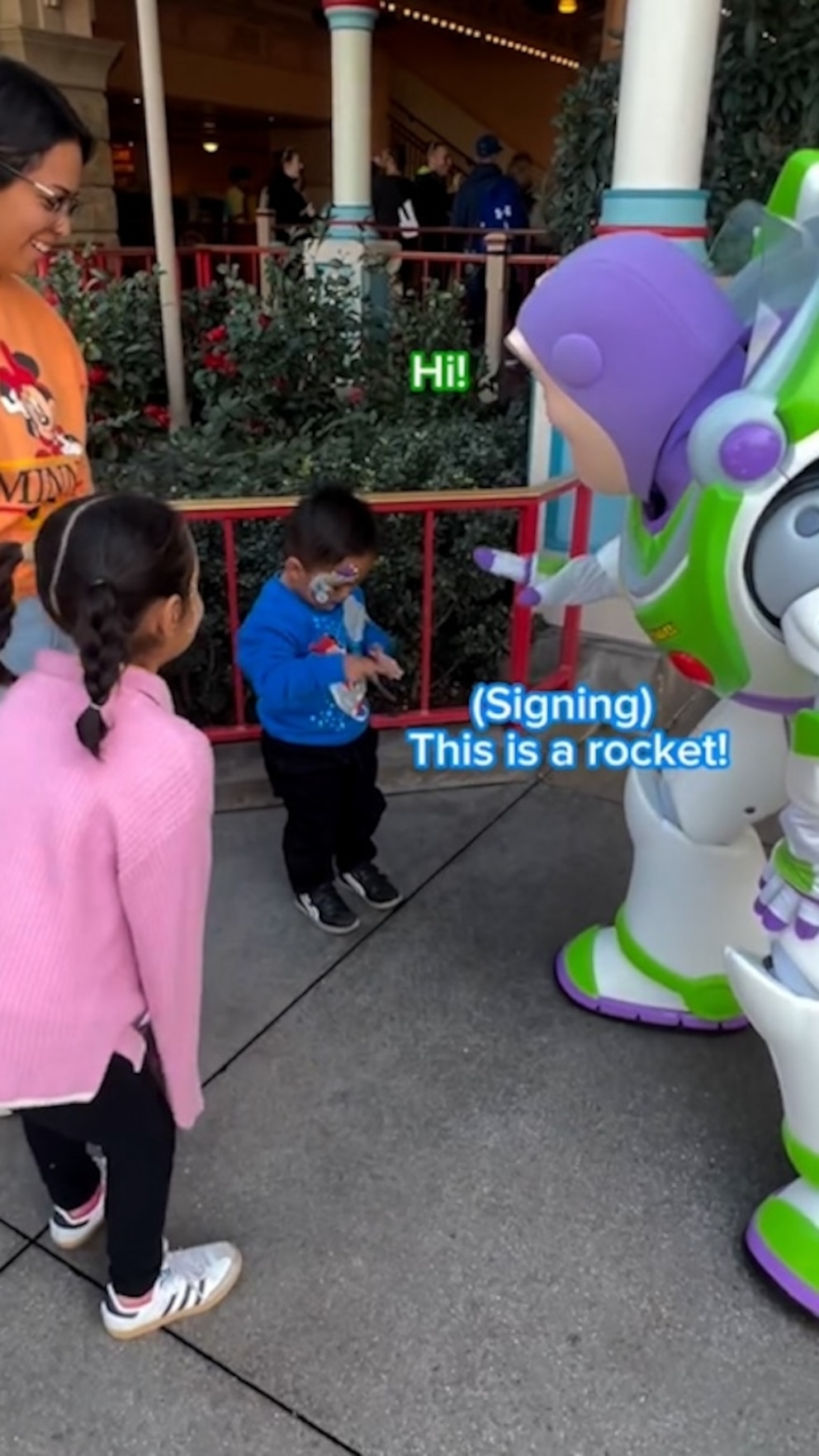
Heartwarming Moment: Toddler Communicates with Buzz Lightyear Using ASL at Disneyland
In a magical moment that perfectly encapsulates the spirit of inclusivity and joy, a touching video has surfaced showcasing a young child communicating with Buzz Lightyear at Disneyland using American Sign Language (ASL). This heartwarming encounter not only highlights the power of non-verbal communication but also emphasizes the importance of understanding and inclusivity in family experiences at theme parks.
The Power of Communication
Communication is the cornerstone of human interaction, and in environments as bustling and vibrant as Disneyland, it becomes essential for creating memorable experiences. The toddler’s joyful interaction with Buzz Lightyear serves as a wonderful reminder that there are multiple ways to communicate, transcending traditional verbal methods. For many children, especially those who are deaf or hard of hearing, ASL offers a bridge to connect with the world around them.
American Sign Language is a complete, natural language that has its own grammar and lexicon. It is the primary language of many deaf and hard-of-hearing individuals in the United States and parts of Canada. When the toddler confidently signed to Buzz Lightyear, it not only showcased their ability but also fostered an environment where communication barriers were lifted. This moment exemplified how theme parks like Disneyland can become more inclusive spaces for everyone.
A Closer Look at the Video
The video captures a delightful scene where the toddler approaches Buzz Lightyear, the beloved character from the “Toy Story” franchise. With a bright smile, the child begins to sign, expressing excitement and joy. Buzz, in his signature enthusiastic manner, responds with animated gestures, creating a beautiful interaction that resonates with onlookers.
Observing this exchange, one can see how the character’s portrayal of understanding and engagement not only delighted the child but also brought smiles to the faces of the adults nearby. This moment is a powerful reminder of how characters at theme parks can play a pivotal role in fostering connections that go beyond mere entertainment.
The Importance of Inclusivity at Theme Parks
Theme parks, especially Disneyland, are designed to be places of joy and family bonding. However, it’s crucial that they also cater to the diverse needs of all visitors. The encounter between the toddler and Buzz Lightyear illustrates the importance of inclusivity and accessibility in entertainment venues. Here are some key points to consider:
- Creating Accessible Experiences: Theme parks should incorporate features that accommodate various communication methods, ensuring all guests can fully engage.
- Training Staff: Characters and staff should receive training in basic ASL to facilitate communication with guests who use sign language.
- Awareness Programs: Parks can implement programs that educate visitors about ASL and other forms of communication, promoting understanding and empathy.
- Designated Areas: Creating quiet zones or areas where guests can comfortably use ASL without distractions can enhance the experience for all.
Benefits of Using ASL in Family Settings
Integrating ASL into family interactions can have numerous benefits, especially for young children. For instance:
- Enhances Communication Skills: Learning ASL can improve children’s overall communication abilities, making them more expressive and confident.
- Builds Empathy: Teaching children about different ways to communicate fosters empathy and understanding towards those with different abilities.
- Strengthens Family Bonds: Families that learn ASL together create deeper connections, as they share a unique way to communicate.
Expanding the Conversation: The Role of Disney in Promoting Inclusivity
Disney has long been a leader in promoting diversity and inclusivity within its parks. The interaction between the toddler and Buzz Lightyear is a testament to the company’s ongoing efforts to create welcoming environments. Initiatives such as:
- Accessibility Programs: Disney has implemented various accessibility programs to ensure that all guests can enjoy the magic of their parks.
- Inclusive Content Creation: Disney’s films and characters increasingly reflect the diversity of its audience, fostering a sense of belonging.
- Community Engagement: Disney frequently collaborates with organizations that support individuals with disabilities, promoting awareness and understanding.
Encouraging Future Generations
As we celebrate moments like the one captured in the video, it’s important to think about how we can encourage future generations to embrace inclusivity. Here are some steps families can take:
- Learn Together: Families can take ASL classes together, making it a fun and engaging activity that promotes communication.
- Visit Inclusive Events: Attend events that celebrate diversity and inclusion, further exposing children to different ways of communicating.
- Share Stories: Encourage children to share their own experiences and stories about communication, fostering open dialogue.
Conclusion: A Moment to Cherish
The heartwarming moment of a toddler communicating with Buzz Lightyear using ASL at Disneyland is more than just a sweet encounter; it’s a powerful illustration of the importance of inclusivity and understanding in our society. As families navigate the enchanting world of theme parks, it’s essential to recognize and embrace the diverse ways in which we connect with one another.
By promoting the use of ASL and fostering environments where all forms of communication are valued, we can ensure that magical moments like these become a regular occurrence for everyone. This beautiful interaction serves as a reminder that love, joy, and connection can transcend barriers, creating unforgettable experiences for all families.
See more CNET Live