
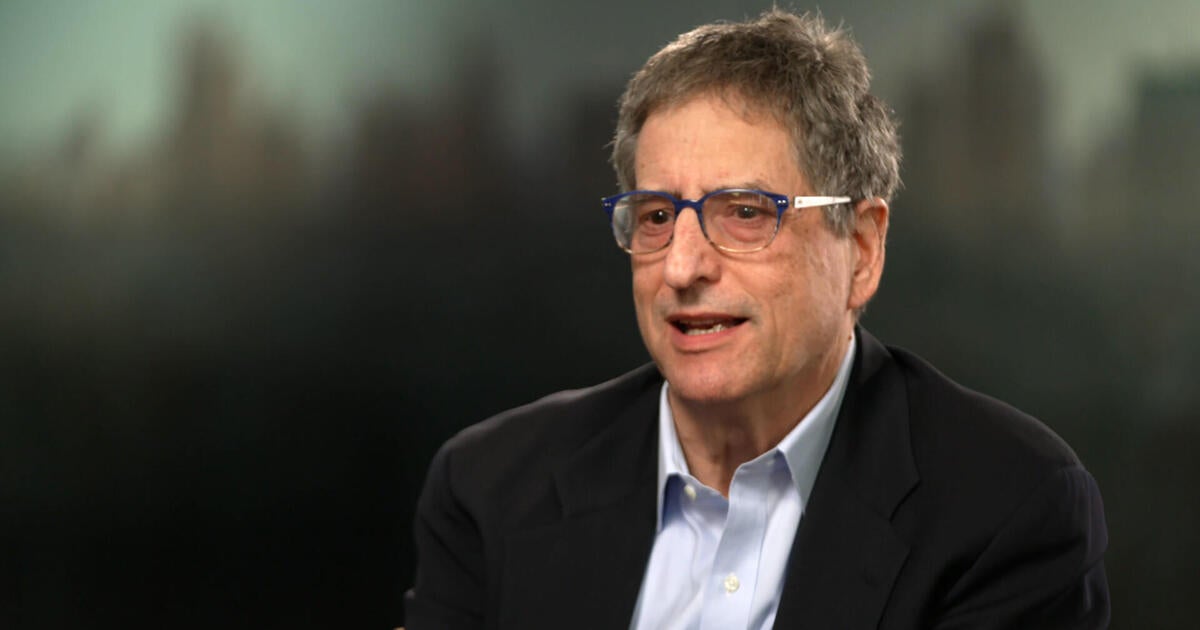
In the ever-evolving landscape of the film industry, few figures have managed to navigate its complexities with as much expertise and insight as Tom Rothman. As the Chairman and CEO of Sony Pictures, Rothman has been at the forefront of adapting to the rapid changes brought about by technological advancements, shifting audience preferences, and a global pandemic that rocked the very foundation of cinema. In a recent exclusive interview, Rothman shared his thoughts on the challenges and innovations shaping the future of film, offering a unique glimpse into his vision for the industry.
The Changing Landscape of Cinema
The film industry has undergone seismic shifts over the past few years, and Rothman is acutely aware of these changes. “The way people consume content has transformed dramatically,” he noted. With the rise of streaming platforms and digital viewing habits, traditional movie-going is facing stiff competition. Rothman believes that this shift is not just a challenge but an opportunity for filmmakers and studios to explore new narratives and innovative storytelling techniques.
According to Rothman, the key to thriving in this new environment is embracing change. “We have to be willing to adapt our strategies and embrace new technologies, whether it’s virtual reality, augmented reality, or advanced CGI,” he explained. This adaptability is critical as audiences seek more immersive experiences that go beyond the traditional cinematic approach.
Challenges Facing the Film Industry
Despite the opportunities, Rothman is realistic about the challenges confronting the industry. The COVID-19 pandemic highlighted vulnerabilities, forcing studios to rethink their distribution models and marketing strategies. Rothman emphasized the importance of understanding audience behavior post-pandemic. “We’re not just trying to bring people back to theaters; we need to understand what they want from the viewing experience,” he stated.
Moreover, the ongoing writers’ and actors’ strikes underscore the need for fair treatment and adequate compensation within the industry. Rothman advocates for a balanced approach that ensures creative talents are rewarded while also allowing studios to remain sustainable. “We need to find a way to support our artists while also ensuring that the business can thrive,” he remarked.
Innovations and Future Directions
When discussing innovations, Rothman is particularly excited about the potential of technology to enhance storytelling. “Filmmaking is fundamentally about telling stories, and technology can help us tell those stories in new ways,” he said. He pointed to advancements in artificial intelligence and machine learning, which are already beginning to influence scriptwriting, casting, and even editing processes.
- AI in Script Development: AI tools can analyze audience preferences and trends, giving writers insights into what resonates with viewers.
- Enhanced Visual Effects: Technologies like virtual production allow filmmakers to create stunning visuals that were previously unimaginable.
- Data-Driven Marketing: Utilizing big data enables studios to tailor their marketing strategies to specific demographics, improving outreach and engagement.
Rothman believes that the integration of these innovations will not only enhance the artistic quality of films but also improve the overall audience experience. “We’re no longer just making movies; we’re creating immersive experiences that can engage viewers on multiple levels,” he noted.
Rethinking Distribution Models
One of the most significant shifts in the film industry has been the reimagining of distribution models. The pandemic accelerated the adoption of simultaneous releases in theaters and on streaming platforms, a strategy that Rothman supports with caution. “We need to be strategic about how we release films,” he cautioned, suggesting that not every film benefits from a dual release strategy.
Rothman emphasized the importance of theatrical experiences, arguing that the communal aspect of watching a film in a theater is irreplaceable. “There’s something magical about being in a room full of people, all experiencing a story together,” he said. However, he also acknowledged that accessibility is essential, particularly for films that might not draw large audiences in theaters but could find success on streaming platforms.
Building a Diverse and Inclusive Future
Another critical aspect of Rothman’s vision for the future of film is the commitment to diversity and inclusion. He believes that the best stories come from a variety of perspectives and backgrounds. “We need to ensure that our films reflect the world we live in,” he said, highlighting the importance of representation both in front of and behind the camera.
Rothman is proud of Sony Pictures’ initiatives aimed at promoting diversity, including mentorship programs for underrepresented filmmakers and partnerships with organizations dedicated to fostering inclusivity in the industry. “It’s not just about making films; it’s about shaping the cultural conversation,” he emphasized.
The Creative Process and Collaboration
When it comes to the creative process, Rothman advocates for collaboration. He understands that successful films are often the result of teamwork, where writers, directors, and actors come together to bring a vision to life. “Collaboration is the lifeblood of filmmaking,” he stated. “We need to create an environment where creativity can flourish.”
Rothman actively encourages an open dialogue among his teams, believing that the best ideas can come from anyone, regardless of their position. This culture of collaboration not only nurtures creativity but also fosters innovation, allowing Sony Pictures to remain at the forefront of cinematic excellence.
Looking Ahead: A Vision for Cinema’s Future
As he reflects on the future of film, Tom Rothman remains optimistic. He envisions a landscape where technology and creativity converge to create richer, more engaging cinematic experiences. “The future of film is bright,” he declared, “but it requires all of us to embrace change and innovate continuously.”
In conclusion, Rothman’s leadership at Sony Pictures is characterized by a forward-thinking approach that embraces challenges as opportunities. His insights into the evolving film industry are not just about keeping pace with change but about leading it. As audiences worldwide seek new ways to connect with stories, Rothman’s vision will undoubtedly shape the next chapter of entertainment, ensuring that cinema remains a vital and dynamic part of our culture.
With a deep understanding of the industry’s intricacies and a commitment to fostering creativity, Tom Rothman is navigating the future of film at Sony with confidence and a clear vision. As he continues to champion innovation, diversity, and collaboration, the landscape of cinema is set to flourish under his guidance.
See more CNET Live