
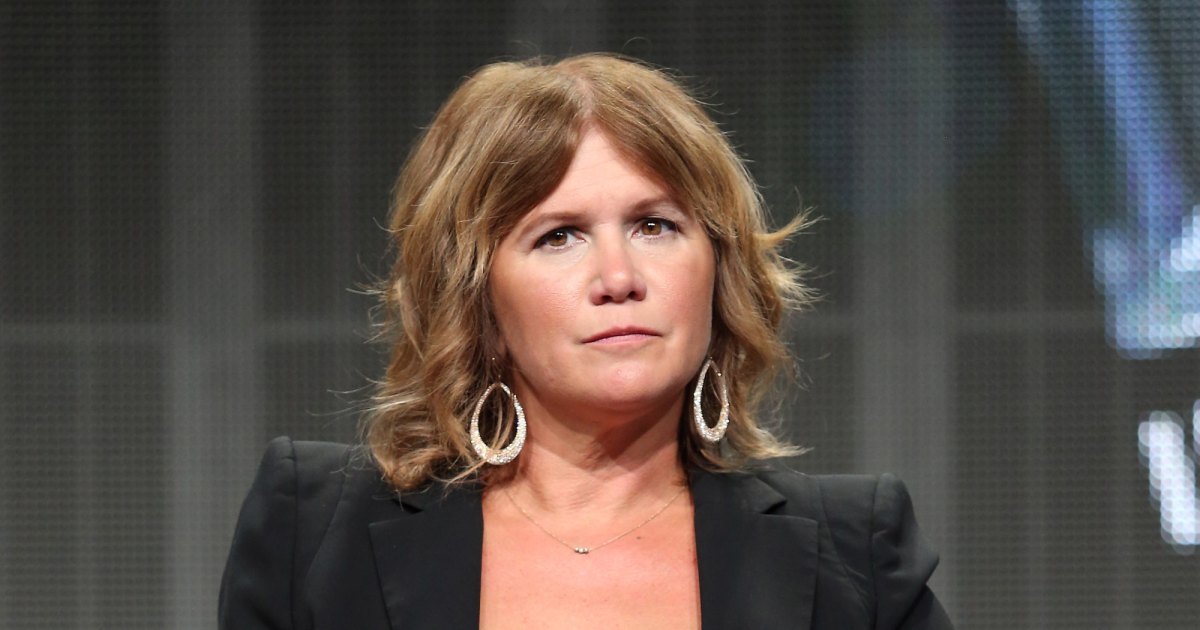
Tracey Gold Reflects on the Lasting Impact of ‘Growing Pains’ Fat Jokes
In a heartfelt interview, actress Tracey Gold candidly discusses the profound effects of fat jokes made during her time on the beloved sitcom Growing Pains. Gold, who played Carol Seaver, shares how the show’s humor, often rooted in body image and weight, became a significant factor in her personal struggles with anorexia. This revelation not only highlights the challenges faced by child stars in the entertainment industry but also brings to light the critical intersection of childhood fame and mental health issues.
The Reality of Growing Up in the Spotlight
Tracey Gold’s rise to fame began at a young age. As a prominent figure on Growing Pains, she became a household name. However, with this fame came an intense scrutiny of her appearance. The show, which aired from 1985 to 1992, was known for its lighthearted humor, but Gold reflects on how some of the comedic elements, particularly fat jokes aimed at her character, had lasting impacts.
In her interview, Gold recalls specific instances where jokes about weight were not just part of the script but were taken lightly by the cast and crew. For her, these jokes became a source of pain. “At the time, I didn’t realize how damaging those comments were. I laughed along, but inside, they were eating away at me,” she shared. This sentiment resonates with many young actors who face similar challenges in the public eye.
The Connection Between Humor and Mental Health
Gold’s struggle with anorexia can be seen as a reflection of broader societal issues regarding body image and self-worth. The entertainment industry has long had a complicated relationship with beauty standards, often promoting unrealistic ideals. For child actors, who are still developing their sense of self, the pressure can be overwhelming.
- Body Image Issues: The constant comparison to peers and the fear of not being accepted can lead to serious mental health challenges.
- Increased Vulnerability: Young stars often feel the need to conform to industry standards, which can exacerbate existing insecurities.
- Public Scrutiny: The lack of privacy in their lives means that every mistake or personal struggle is subject to public commentary.
Gold’s experience highlights how fat jokes, even when intended as harmless fun, can have devastating effects. The normalization of such humor can perpetuate harmful stereotypes and contribute to mental health issues, particularly in impressionable young minds.
Understanding Anorexia and Its Triggers
Anorexia nervosa is a serious eating disorder characterized by an intense fear of gaining weight and a distorted body image. For Tracey Gold, the fat jokes directed at her during her formative years were a catalyst for her struggle with this debilitating condition. According to the National Eating Disorders Association (NEDA), societal pressures and media portrayals are significant factors in the development of eating disorders.
Some common triggers for anorexia include:
- Negative Body Image: Constantly feeling inadequate compared to peers or media representations can lead to unhealthy eating behaviors.
- Peer Pressure: The desire to fit in or conform to a certain image can push individuals toward restrictive dieting.
- Family Dynamics: Family attitudes towards weight and appearance can greatly influence a child’s self-esteem.
Gold’s battle with anorexia was not just about weight loss; it was a complex interplay of mental health struggles, societal expectations, and the pressures of fame. Her story serves as a reminder of the importance of compassion and sensitivity when discussing body image, particularly in a public forum.
The Importance of Advocacy and Support
Since her recovery, Tracey Gold has become a vocal advocate for mental health awareness and body positivity. She emphasizes the need for open conversations about eating disorders and the importance of support systems for those struggling. “It’s crucial to create an environment where young people feel safe to talk about their struggles without fear of judgment,” Gold states.
Advocacy in this space can take many forms, including:
- Education: Raising awareness about the realities of eating disorders and promoting healthy body image.
- Support Groups: Encouraging young individuals to seek help and connect with those who understand their challenges.
- Media Responsibility: Urging media outlets to portray realistic body images and avoid harmful stereotypes.
Finding Hope and Healing
Tracey Gold’s journey through anorexia has been one of resilience and hope. Through therapy, support from loved ones, and a commitment to self-acceptance, she has managed to reclaim her life. Gold emphasizes that recovery is possible and encourages others to seek help. “There’s a light at the end of the tunnel. It may seem far away, but it’s there,” she assures.
The conversation surrounding mental health, especially in the context of childhood fame, is crucial. As more individuals like Tracey Gold share their experiences, it fosters a greater understanding and encourages societal change regarding how we view body image and mental health.
Conclusion: A Call for Change
Tracey Gold’s reflections on the impact of fat jokes from her time on Growing Pains serve as an important reminder of the responsibilities that come with fame. The intersection of childhood fame and mental health challenges is a complex issue that deserves attention and discussion. As society continues to evolve, it is essential to promote kindness, understanding, and support for individuals facing mental health struggles.
By amplifying voices like Gold’s, we can work towards a future where all individuals, especially young stars, feel valued and accepted for who they are, rather than how they look. The journey toward mental health awareness and body positivity is ongoing, but together, we can create a more compassionate world.
See more CNET Live