
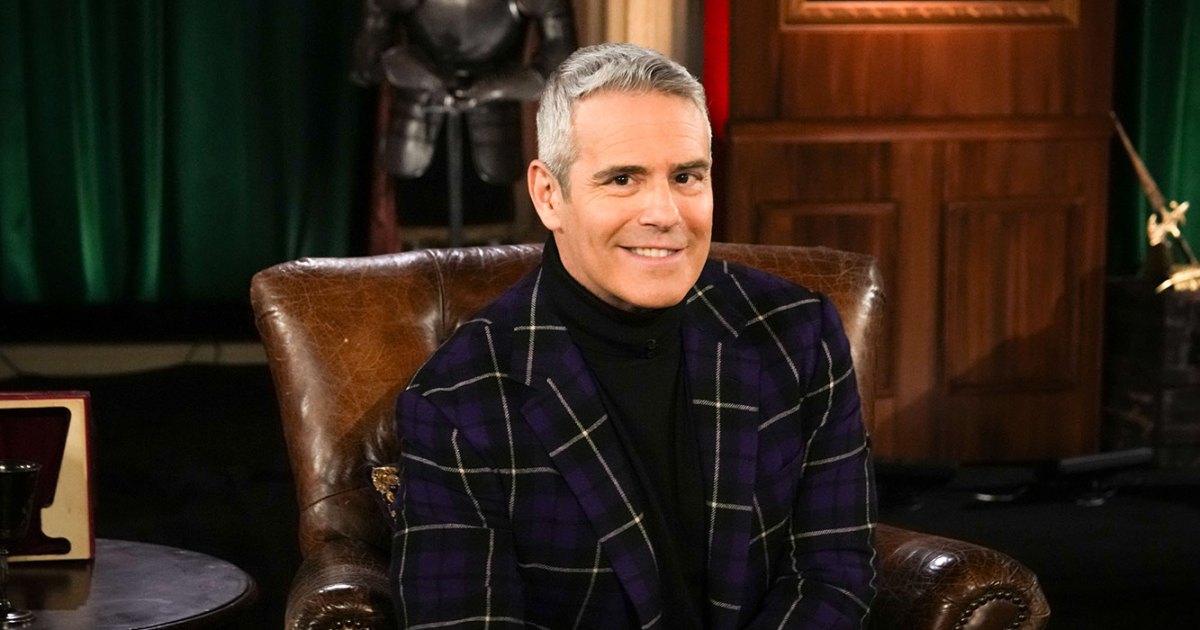
Inside the Intrigue: The Hidden Symbolism of Andy Cohen’s Framed Portrait in The Traitors Season 3 Castle
The latest season of The Traitors has taken viewers by storm, not just for the intense gameplay and gripping drama, but also for an unexpected centerpiece: a framed portrait of Andy Cohen. This intriguing artwork hasn’t merely served as decoration; it’s sparked conversations and theories about its deeper significance within the context of the show. In this article, we’ll explore the hidden symbolism of Andy Cohen’s framed portrait in The Traitors Season 3 Castle, analyzing its implications and what it might reveal about the dynamics of the series.
The Role of Andy Cohen in Reality Television
Andy Cohen is a prominent figure in the realm of reality television, known for his role as a producer and host of various shows, including Watch What Happens Live and The Real Housewives franchise. His influence on the genre cannot be overstated; he has shaped the way audiences consume reality TV, turning it into a cultural phenomenon. By incorporating his portrait into the setting of The Traitors, the producers may be subtly acknowledging Cohen’s indelible mark on the genre.
However, the choice of a portrait rather than a simple mention or an appearance in the show adds layers to this acknowledgment. It signifies not just respect, but perhaps a deeper narrative about leadership, influence, and the complexities of reality television.
Symbolism of the Framed Portrait
A framed portrait often symbolizes admiration, legacy, and permanence. In the context of The Traitors, Andy Cohen’s portrait can be interpreted in several ways:
- Authority and Power: Cohen, as a central figure in reality TV, represents authority. His presence in the castle may symbolize the overarching control and influence he has over the narratives that unfold on reality television.
- Guidance and Mentorship: The portrait can also be seen as a nod to the idea of mentorship. As contestants navigate the treacherous waters of alliances and betrayals, Cohen’s image might serve as a reminder of the guidance offered to them through the conventions of reality TV.
- The Watchful Eye: The act of framing and hanging a portrait suggests an omnipresent observer. This could symbolize Cohen’s role as an unseen judge, reflecting the scrutiny contestants face from both the audience and the producers.
The Aesthetic Choices Behind the Portrait
The visual presentation of the portrait itself is also worth examining. A well-chosen frame, the background, and even the lighting can evoke specific feelings and themes. In The Traitors, the grandeur of the castle setting amplifies the significance of the portrait. The chosen style might suggest:
- Tradition: The classic style of the portrait aligns with the historical and traditional themes often explored in reality shows, where past influences shape current dynamics.
- Contrast: The juxtaposition of modern reality TV culture against the backdrop of a castle can signify the clash between contemporary entertainment and historical narratives, mirroring the contestants’ struggles.
Viewer Interpretation and Engagement
As with any piece of art, interpretation varies among viewers. The framed portrait serves as a catalyst for discussions among fans and can enhance viewer engagement. Online forums and social media platforms have seen an uptick in conversations about the portrait’s meaning, showcasing how it has sparked curiosity and speculation.
Some fans see it as a playful Easter egg, while others argue it underscores the seriousness of the game. This variety of interpretations enriches the viewing experience, encouraging audiences to delve deeper into the symbolism and themes presented in the show.
The Impact on Contestants
The presence of Cohen’s portrait in the castle may also impact the contestants themselves. Knowing they’re being watched by a figure as influential as Cohen could instill a sense of pressure. Contestants might feel they are not only competing against each other but also performing for a larger audience, one that includes the legendary figure of reality TV.
Connecting the Portrait to the Show’s Themes
The Traitors, at its core, is about trust, deception, and the intricate web of human relationships. Andy Cohen’s portrait ties into these themes in several ways:
- Trust and Betrayal: Just as contestants must navigate alliances and betrayals, Cohen himself has been instrumental in shaping narratives that often involve trust issues among reality stars. His portrait serves as a reminder of the stakes involved.
- Identity and Performance: Reality TV often challenges contestants to present curated versions of themselves. The portrait may symbolize the performative aspect of reality television, where everyone is aware they’re playing a role.
Conclusion: The Lasting Legacy of Andy Cohen’s Portrait
In conclusion, the framed portrait of Andy Cohen in The Traitors Season 3 Castle is far from a mere decorative choice. It encapsulates a wealth of symbolism, representing authority, guidance, and the complex dynamics of reality television. As viewers dissect its meaning, they engage with the show on a deeper level, reflecting the multifaceted nature of human relationships and the art of storytelling.
By embedding such a potent symbol into the fabric of the show, the producers invite audiences to question not only the game at hand but also the broader implications of reality TV. In this light, Andy Cohen’s framed portrait stands as a testament to the enduring impact of his work and the intricate dance of reality television that captivates millions.
See more CNET Live