
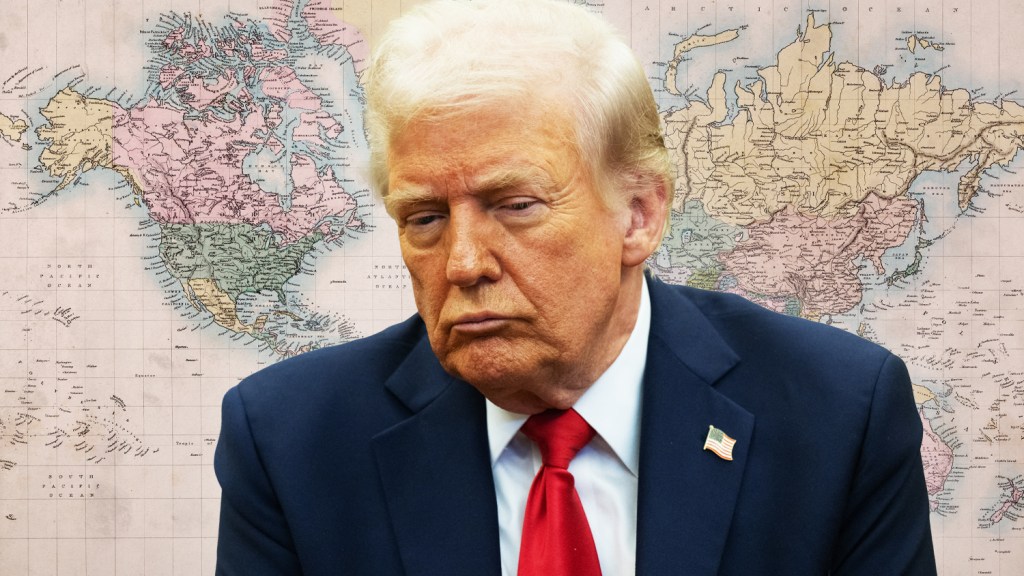
The Hidden Impact of Trump’s Trade Tariffs on Global Film and TV Industries
Former President Donald Trump’s trade tariffs, initially designed to protect U.S. industries, are now sending shockwaves through the global entertainment sector. As trade tensions escalate, film and television producers face rising costs, disrupted supply chains, and shrinking international markets. Experts warn these policies could reshape content creation, distribution, and pricing for years to come—with audiences ultimately footing the bill.
How Tariffs Are Reshaping Production Economics
The 25% tariffs on Chinese imports—including critical film equipment—have forced studios to rethink their production strategies. Camera systems, lighting rigs, and editing software components now cost significantly more, with some specialty items seeing price hikes up to 40%. According to the Motion Picture Association’s 2023 report, mid-budget films saw equipment costs rise by an average of $1.2 million per project.
“We’re being squeezed at both ends,” explains veteran producer Margot Chen of Horizon Pictures. “Equipment costs are climbing while international co-production deals become harder to negotiate. The romantic comedy we shot in Vancouver last year would cost 18% more today.”
The ripple effects extend beyond hardware:
- Post-production delays due to tariff-related customs hold-ups
- Increased insurance premiums for equipment transport
- Restricted access to Chinese filming locations
Distribution Networks Face Unprecedented Challenges
International film distribution has become a high-stakes chess game. The U.S. tariffs on European Union goods—including digital services—have particularly impacted streaming platforms. Netflix reported a 7% increase in operational costs for its European productions in Q1 2024, while Amazon Prime Video delayed three international series due to budget constraints.
Dr. Evan Pritchard, trade policy analyst at the Global Media Institute, notes: “The tariffs create artificial barriers in what should be a fluid creative marketplace. We’re seeing distributors prioritize safer, more formulaic content over risky international projects.”
Key distribution impacts include:
- 15-20% higher licensing fees for U.S. studios importing foreign content
- Delayed release schedules as companies navigate new trade rules
- Reduced diversity in streaming catalogs as platforms cut international acquisitions
The Ripple Effect on Creative Talent and Content
Behind the economic data lies a human cost. International co-productions—responsible for critically acclaimed films like Parasite and Roma—face existential threats. The European Audiovisual Observatory reports a 22% drop in U.S.-EU co-productions since 2020, with independent filmmakers hit hardest.
South Korean director Park Ji-hoon describes the creative toll: “My new project involves American and Chinese investors. The tariffs turned what should be artistic discussions into months of trade compliance meetings. The story suffers when logistics dominate.”
Audiences Pay the Price in Selection and Quality
Consumers are beginning to notice changes in their viewing options. Streaming platforms increasingly favor domestic content to avoid tariff complications, while theater chains pass increased distribution costs to moviegoers. A recent UCLA study found:
- The average movie ticket price rose 11% in tariff-affected markets
- International film screenings dropped 31% at major U.S. theater chains
- Streaming platforms reduced non-English content by 19%
“We’re returning to a more siloed entertainment landscape,” warns media economist Dr. Lisa Monroe. “The golden age of global storytelling may become collateral damage in these trade wars.”
Industry Adaptation and Future Projections
Some studios are developing creative workarounds. A24 recently established a Canadian subsidiary to manufacture film equipment tariff-free, while Warner Bros. Discovery renegotiated its European contracts to classify content as “digital services” rather than physical goods.
Potential long-term scenarios include:
- Permanent shifts in production hubs from China to Vietnam and India
- New “tariff-proof” camera systems developed outside affected countries
- Increased pressure on governments to create cultural exemptions
As the 2024 election approaches, industry groups are lobbying both parties for entertainment-specific trade considerations. The Directors Guild of America recently formed a Trade Policy Task Force, while the International Coalition of Film Organizations plans to present research to the World Trade Organization.
The coming years will test the industry’s resilience. For filmmakers and audiences alike, the stakes extend beyond economics—they threaten the very diversity that makes global cinema vibrant. Those concerned about these changes should contact their representatives and support organizations fighting for cultural trade exceptions.
See more CNET Live