
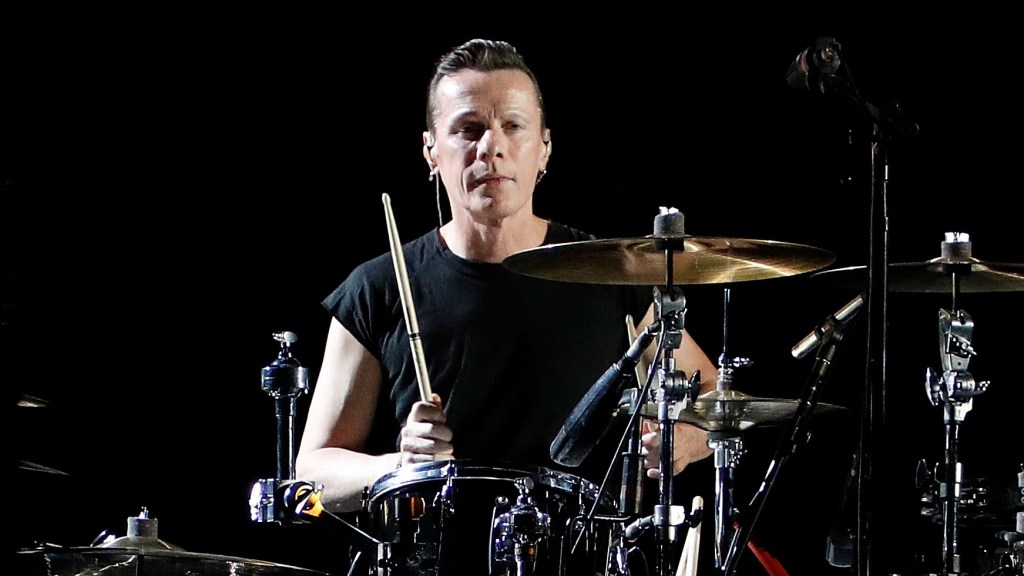
A Journey Through Rhythm: Larry Mullen Jr. and Dyscalculia
Larry Mullen Jr., the legendary drummer of the globally acclaimed band U2, has recently come forward to discuss his personal battles with dyscalculia. This revelation not only highlights the struggles he faces in a profession deeply intertwined with rhythm and timing but also serves as an important reminder of the diverse challenges faced by many individuals in various fields. Dyscalculia, a specific learning disability that impacts an individual’s ability to process numerical information, can be particularly daunting in a world where numbers play a crucial role in both personal and professional contexts.
Understanding Dyscalculia
Dyscalculia is often likened to dyslexia, but instead of affecting reading and language skills, it impairs numerical understanding and mathematical reasoning. People with dyscalculia may struggle with:
- Understanding basic mathematical concepts.
- Performing simple calculations.
- Recognizing patterns and sequences in numbers.
- Estimating quantities and understanding the passage of time.
It is estimated that 3-6% of the population is affected by dyscalculia, yet it remains a relatively under-discussed condition compared to other learning disabilities like dyslexia. For musicians like Mullen, who rely heavily on rhythm and timing, the challenges associated with dyscalculia can manifest in unique ways.
Challenges in a Musical Landscape
As the drummer for one of the most successful rock bands in history, Mullen’s role is not just to keep the beat; he must also interact with complex time signatures and rhythms that can vary significantly from song to song. His recent admission sheds light on how he has had to develop coping mechanisms to navigate his condition while maintaining the high standards of performance expected from him.
Adapting to the Beat
Mullen has indicated that his approach to drumming is more intuitive than numerical. He relies heavily on his musical instincts and emotional connection to rhythm rather than mathematical calculations. This instinctual approach allows him to express himself through music, even if it means circumventing traditional numerical frameworks.
In interviews, Mullen has discussed how he often feels the music rather than thinks about it in terms of count or measure. This perspective can be beneficial in a creative field like music, where emotion and instinct often trump technical proficiency. However, it also highlights the additional challenges he faces, such as:
- Difficulty with counting beats in complex time signatures.
- Challenges in reading sheet music that involves intricate rhythmic patterns.
- Struggles with timing when working alongside other musicians who may not share the same intuitive approach.
The Impact of Disclosure
Mullen’s openness about his dyscalculia is significant for several reasons. First, it brings visibility to a condition that is often overlooked and misunderstood. By sharing his story, Mullen helps to normalize conversations around learning disabilities in the arts and encourages others who may face similar challenges to seek support and understanding.
Encouraging Understanding and Empathy
Musicians and artists are often viewed through the lens of their talents, but they, like everyone else, can face personal struggles that impact their craft. Mullen’s revelation encourages a more empathetic understanding of artists as whole individuals, rather than merely as performers. This perspective can foster a supportive environment within the music industry, where artists feel comfortable sharing their experiences and challenges.
Broader Implications for the Music Industry
The music industry has long been known for its rigorous standards and competitive nature, often leaving little room for personal challenges. Mullen’s acknowledgment of his dyscalculia can inspire systemic changes in how the industry approaches artists with learning disabilities. Potential implications include:
- Increased awareness and resources for musicians with disabilities.
- Development of specialized training programs that accommodate diverse learning styles.
- Encouragement for bands and music schools to adopt inclusive practices that recognize various forms of talent and intelligence.
Support Systems and Resources
For individuals with dyscalculia, establishing a support system is crucial. Mullen’s experience highlights the importance of finding alternatives to traditional methods of learning and engaging with music. Some strategies that may assist individuals with dyscalculia in musical contexts include:
- Utilizing visual aids, such as diagrams and charts, to understand rhythms and beats.
- Implementing technology, such as rhythm apps that provide interactive ways to learn time signatures and patterns.
- Working with mentors or educators who understand the condition and can provide tailored instruction.
Conclusion: A New Rhythm
Larry Mullen Jr.’s candid discussion about his dyscalculia offers a refreshing perspective on the intersection of learning disabilities and the arts. By sharing his journey, he not only sheds light on the challenges faced by many but also provides hope and encouragement for those navigating similar paths. As he continues to captivate audiences with his drumming, Mullen serves as a reminder that talent often comes in many forms, and overcoming personal obstacles can lead to unique expressions of creativity.
His story resonates beyond music, inviting a broader conversation about acceptance, understanding, and the diverse capabilities that individuals possess, regardless of the challenges they face. As we celebrate Mullen’s contributions to music, we must also celebrate the resilience and creativity that emerge from adversity, fostering an inclusive environment for all artists.
See more CNET Live