
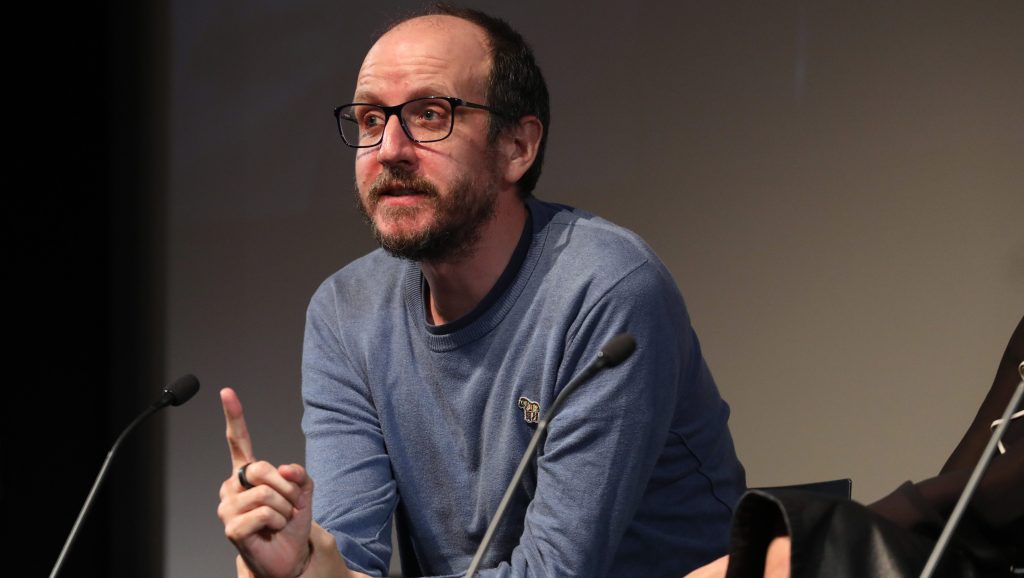
UK Drama Faces Funding Crisis: The Call to Action by Jack Thorne
The landscape of UK drama is at a critical juncture, and the acclaimed writer behind the adaptation of His Dark Materials, Jack Thorne, has emerged as a prominent voice in addressing the urgent funding crisis affecting this cherished sector. With the UK renowned for its rich tradition in storytelling, Thorne’s insights provide a poignant look at the challenges that threaten the vibrancy of creative expression in the UK.
The Current State of UK Drama
As one of the leading industries in the UK, drama has historically played a significant role in shaping cultural conversations and reflecting societal issues. However, recent developments reveal a stark reality: the funding for drama productions is dwindling. This crisis is not just limited to the big-budget productions; it permeates through every level of the industry, from independent filmmakers to established television networks.
In a recent interview, Thorne emphasized that the funding crisis is not merely a financial issue; it impacts the diversity of voices and stories that can be told. He pointed out that when funding is restricted, the creative landscape shrinks, leading to a homogenized output that lacks the richness and variety that audiences crave.
The Impact of Funding Cuts on Storytelling
Thorne’s concerns resonate deeply within the industry. The implications of funding cuts extend beyond the immediate financial realm; they threaten the very essence of storytelling. A lack of resources can lead to:
- Limited Creative Freedom: Writers and directors may feel constrained in their ability to explore complex narratives that require significant investment.
- Fewer Opportunities for New Talent: Emerging writers and creators often depend on funding for their projects. Without it, the next generation of storytellers may struggle to break into the industry.
- Reduced Diversity: Stories that reflect the experiences of marginalized communities are often the first to be cut in funding crises, leading to a less inclusive media landscape.
Jack Thorne’s Advocacy for Change
As someone who has witnessed the evolution of the industry firsthand, Thorne has made it his mission to advocate for change. He argues that urgent attention is needed from both the government and the private sector to sustain creative storytelling in the UK. His call to action includes:
- Increased Government Investment: Thorne suggests that the government should recognize the economic and cultural value of drama and increase funding allocations to support a diverse range of productions.
- Support for Independent Creators: Initiatives to fund independent filmmakers and writers can lead to innovative storytelling that might not fit into traditional molds.
- Public Awareness Campaigns: Engaging the public to understand the importance of drama and its societal impact can foster a culture of support for the arts.
Broader Implications for the Arts in the UK
The funding crisis in UK drama is part of a larger pattern affecting the arts overall. Other sectors, such as theatre and music, are also experiencing financial strain, leading to a worrying trend of closures and reduced programming. This situation raises critical questions about the role of the arts in society:
- What is the Value of the Arts? The arts contribute significantly to the UK economy, providing jobs and fostering tourism. Thorne stresses that neglecting this sector is a disservice to cultural heritage.
- How Can We Sustain Creativity? Developing sustainable funding models that adapt to changing economic conditions is essential for the long-term health of the arts.
- What Role Does Society Play? Public engagement with the arts can drive demand for quality programming and influence funding priorities.
The Future of UK Drama: Paths Forward
Despite the challenges, there is hope for the future of UK drama. Thorne’s insights suggest that by fostering collaboration between creators, institutions, and policymakers, innovative solutions can emerge. Some potential paths forward include:
- Public-Private Partnerships: Collaborations between government bodies and private investors could lead to increased funding streams for creative projects.
- Community Engagement: Local communities can play a significant role in supporting arts initiatives, from grassroots funding campaigns to community theatre projects.
- Digital Innovation: The rise of streaming platforms has changed the way content is consumed. Writers and producers could leverage these platforms to reach wider audiences and secure funding.
Conclusion: A Call to Action for UK Drama
Jack Thorne’s passionate plea for action highlights a crucial moment for UK drama. As the industry grapples with funding challenges, the urgency for change becomes more pronounced. By investing in diverse storytelling and supporting the next generation of creators, the UK can ensure that its rich tradition of drama continues to thrive.
Ultimately, the health of the arts is a reflection of society’s values. As audiences, creators, and policymakers come together to address this crisis, there is an opportunity not only to sustain but to elevate the narratives that define the UK. The future of UK drama depends on collective action and unwavering commitment to creativity and cultural expression.
See more CNET Live