
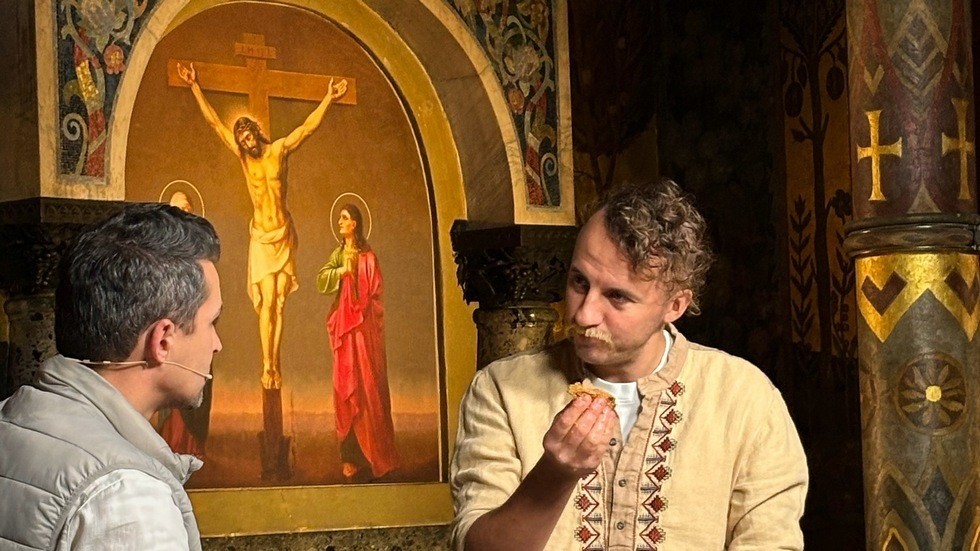
Controversy Erupts Over Culinary Show Filmed at Historic Monastery
A recent decision by a prominent Ukrainian chef to film his culinary show at a historic monastery has sparked widespread outrage and debate. The chef, known for his innovative approach to traditional Ukrainian cuisine, has found himself at the center of a cultural sensitivity storm as critics voice concerns about the appropriateness of filming within a revered religious site. This controversy raises significant questions about the intersection of culture, religion, and entertainment in a world that often prioritizes spectacle over reverence.
The Chef and His Vision
The chef, who has gained a reputation for his ability to blend modern culinary techniques with traditional recipes, aimed to showcase the rich culinary heritage of Ukraine. His choice of the monastery, a stunning architectural marvel steeped in history, was intended to provide a visually striking backdrop that would elevate the aesthetic appeal of his show. However, the selection has been met with backlash from various segments of society.
Public Outcry and Cultural Sensitivity
Critics argue that filming a culinary show in a sacred space trivializes the significance of the site and disrespects its religious context. The monastery, which has been a place of worship and contemplation for centuries, is not merely an attractive location; it holds deep cultural and spiritual meaning for many. The outrage has manifested in several ways, including:
- Social Media Backlash: Many users have taken to platforms like Twitter and Instagram to express their discontent, using hashtags related to cultural appropriation and insensitivity.
- Statements from Religious Leaders: Local religious authorities have issued statements condemning the decision, calling for a reevaluation of the use of sacred spaces for commercial purposes.
- Public Protests: Small groups have organized protests outside the monastery, advocating for the protection of the site from commercialization.
The Broader Implications of Cultural Appropriation
This incident highlights an ongoing debate about cultural appropriation, particularly in the culinary world. As globalization continues to influence food trends, the line between appreciation and appropriation can become blurred. Cooking shows often showcase diverse culinary traditions, but when done inappropriately, they risk commodifying cultural practices that are deeply rooted in specific communities.
Understanding Cultural Appropriation
Cultural appropriation occurs when elements of one culture are borrowed by another, often without permission or understanding of their significance. In the context of this culinary show, critics argue that the chef’s choice to film at a monastery reflects a lack of awareness about the site’s cultural and religious importance.
Exploring the Intersection of Food and Faith
Food has always played a significant role in religious traditions, serving as a means of communion, celebration, and reflection. For many faiths, including those represented at the monastery, food is not merely sustenance but a sacred element that brings communities together. The use of a religious site for entertainment purposes raises questions about respect and the potential for alienating those who hold these traditions dear.
Case Studies: Successful and Sensitive Culinary Productions
While the uproar surrounding this culinary show is significant, it is important to note that there are instances where culinary productions have successfully navigated cultural sensitivities. Some notable examples include:
- Anthony Bourdain’s “Parts Unknown”: Bourdain was known for his respectful approach to exploring different cultures through food, often highlighting local customs and traditions without overshadowing them.
- Chef’s Table: This Netflix series showcases chefs from around the world, often incorporating the cultural context of their dishes and ensuring that the stories behind them are honored and respected.
Potential Solutions and Moving Forward
As the controversy unfolds, it is crucial for both the culinary industry and filmmakers to approach cultural representation with care and respect. Here are some recommendations for ensuring sensitivity in future productions:
- Engage Local Communities: Collaborating with local communities and religious leaders can provide valuable insights into the significance of cultural sites.
- Educate Creators: Offering training on cultural sensitivity can help creators understand the implications of their choices and avoid missteps.
- Seek Alternative Locations: Considering alternative filming locations that do not hold religious significance can prevent potential conflicts and backlash.
Conclusion: The Need for Respect and Understanding
The controversy surrounding the culinary show filmed at the historic monastery serves as a reminder of the delicate balance between creativity and cultural respect. As the world becomes increasingly interconnected, the need for understanding and sensitivity towards diverse cultures becomes paramount. Culinary artists and filmmakers have a responsibility to honor the traditions they draw from, ensuring that their work does not undermine the significance of the cultures they represent.
As this situation develops, it remains to be seen how the chef and his team will respond to the criticism, and whether they will take steps to address the concerns raised by the public. Ultimately, fostering a dialogue about cultural sensitivity and appropriation in the culinary world is essential for creating an inclusive and respectful environment for all.
See more CNET Live