
Unmasking the Humanity: Crafting Relatable Superheroes
In a world where the extraordinary often overshadows the mundane, the art of storytelling has taken a transformative turn. The evolution of superheroes from mere icons of strength and valor to complex, relatable figures is a fascinating journey that speaks to our shared human experience. This article delves into the intricate process of crafting relatable superheroes, exploring the creative strategies that writers and filmmakers employ to bridge the gap between superhuman abilities and human emotions.
The Essence of Relatability in Superheroes
At the heart of every great superhero story lies a fundamental question: What makes a character truly relatable? While superhuman abilities and flashy powers draw attention, it’s the emotional depth and personal struggles that resonate with audiences. Writers across various media are increasingly focused on unmasking the humanity within their superhuman characters. This shift reflects a broader cultural movement towards authenticity and vulnerability.
- Emotional Resonance: Superheroes are often portrayed as larger-than-life figures, yet their appeal lies in their ability to express emotions that we all feel—fear, love, loss, and hope.
- Relatable Backstories: By providing superheroes with backstories that mirror real-life challenges, creators allow audiences to see themselves in these characters.
- Complex Relationships: The dynamics between superheroes and their families, friends, and foes add layers to their personalities, making them more relatable.
Creative Strategies for Crafting Relatable Superheroes
Writers and filmmakers utilize several creative strategies to infuse humanity into their superhero narratives. Here are some key approaches:
1. Human Flaws and Vulnerabilities
One of the most effective ways of making superheroes relatable is by highlighting their flaws. Superheroes are often depicted as infallible, but this can create a disconnect with audiences. By showcasing their vulnerabilities, creators can craft characters that feel real.
For instance, Spider-Man’s struggles with balancing his responsibilities as a student and a hero resonate with many young adults facing similar dilemmas. His self-doubt and moral quandaries make him more relatable than a perfect, unflawed hero.
2. Everyday Life
Integrating everyday experiences into superhero narratives can ground these characters in reality. By depicting superheroes in mundane situations, such as dealing with work, relationships, or personal challenges, writers can create moments of connection.
Take, for example, the portrayal of Batman in various adaptations. Bruce Wayne’s struggles with maintaining his dual identity and the emotional toll it takes on his relationships adds a layer of depth that audiences can empathize with.
3. Societal Issues and Themes
Many modern superheroes are crafted in response to pressing societal issues. By addressing themes such as mental health, discrimination, and ethical dilemmas, creators can develop characters that reflect contemporary struggles.
Characters like Black Panther explore themes of identity and cultural heritage, while others, like Ms. Marvel, tackle issues of immigration and belonging. These narratives not only entertain but also provoke thought and discussion, making the superheroes more relevant to today’s audiences.
4. Flawed Morality
Another compelling strategy is to create superheroes with ambiguous moral compasses. By portraying characters who grapple with ethical decisions, writers can explore the complexities of human nature.
Anti-heroes like Deadpool and The Punisher challenge traditional notions of heroism, prompting audiences to question what it truly means to be a hero. Their moral ambiguity often mirrors the real-life dilemmas faced by individuals, allowing for a deeper connection.
The Role of Representation
Representation is a critical aspect of crafting relatable superheroes. Diverse characters not only enrich the narrative but also allow a broader audience to see themselves reflected in these stories. The importance of representation cannot be overstated, as it fosters inclusivity and encourages empathy among viewers.
- Cultural Diversity: Characters from varied backgrounds bring unique perspectives and experiences, making stories more relatable to a global audience.
- Gender Representation: Strong female superheroes like Wonder Woman and Captain Marvel challenge stereotypes and serve as role models for young girls.
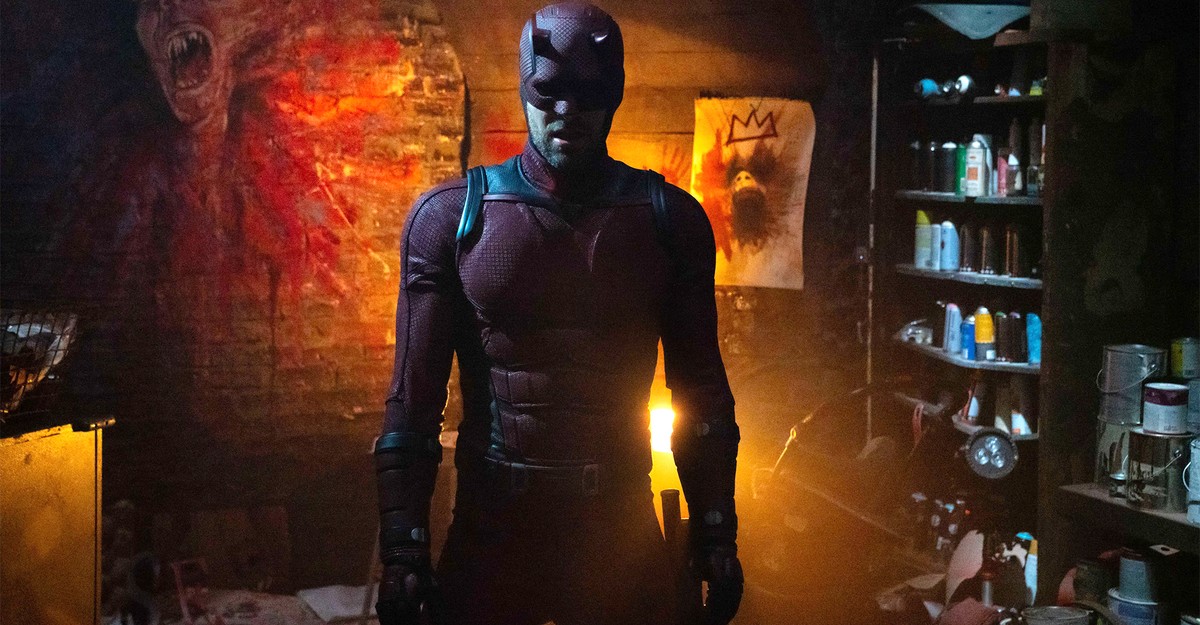
- Disability Representation: Characters like Daredevil and Cyborg exemplify how disabilities can be integrated into superhero narratives, offering inspiration and representation for those with similar experiences.
Impact on Pop Culture
The trend of crafting relatable superheroes has significantly impacted pop culture. Audiences crave authenticity and emotional connection, leading to a resurgence of interest in character-driven storytelling. This shift is evident in the success of films and series that prioritize character development alongside action.
Franchises such as the Marvel Cinematic Universe (MCU) and DC Extended Universe (DCEU) have embraced this approach, resulting in films that not only thrill with spectacular visuals but also resonate on a personal level. The success of movies like “Black Panther” and “Spider-Man: Into the Spider-Verse” exemplifies how relatable superheroes can capture the hearts of audiences, leading to both critical acclaim and box office success.
Conclusion: The Future of Relatable Superheroes
As we look towards the future, the trend of unmasking the humanity in superheroes is likely to continue evolving. Writers and filmmakers are increasingly aware that audiences seek stories that reflect their own struggles and triumphs. By continuing to craft relatable superheroes, the entertainment industry can foster deeper connections between characters and viewers.
In a world filled with challenges, the relatability of superheroes offers hope and inspiration. They remind us that even the mightiest among us face trials and tribulations, and that strength often lies in vulnerability. As creators continue to explore the rich tapestry of human emotions, we can expect to see even more compelling narratives that celebrate the humanity within our favorite superheroes.
See more CNET Live