
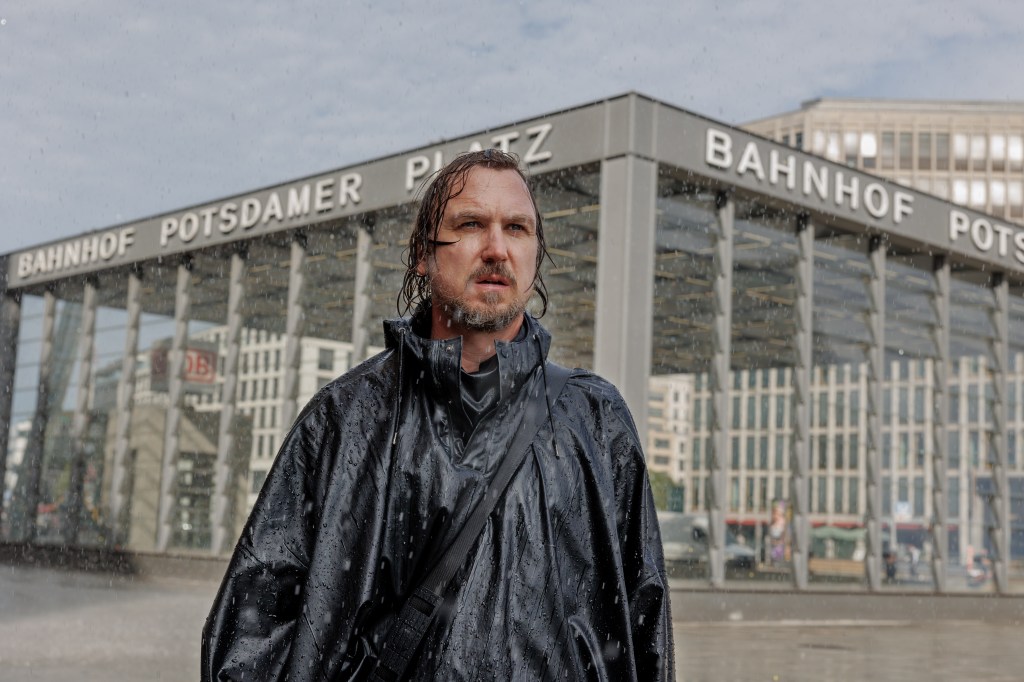
Unpacking ‘The Light’: A Bold Exploration of Liberal Guilt Through Music
As the Berlin Film Festival unveils its latest offerings, audiences are buzzing with excitement over Tom Tykwer’s newest film, The Light. This striking piece of cinema takes a bold stance on a complex theme: white liberal guilt. Set against a backdrop of vibrant bohemian music, Tykwer crafts a narrative that not only entertains but also provokes profound introspection among viewers. In this exploration, we dive deep into the film’s thematic elements, its musical influences, and its broader implications within contemporary society.
The Premise of ‘The Light’
The Light revolves around a diverse group of artists navigating their lives and relationships in a bohemian enclave of Berlin. The central character, played by a talented up-and-coming actor, grapples with feelings of inadequacy and guilt stemming from their privileged background. As the narrative unfolds, the film intertwines personal struggles with societal issues, making the audience question their own roles in the larger tapestry of cultural dynamics.
At its core, the film challenges viewers to consider the weight of their privilege. Tykwer utilizes the medium of music as a powerful tool to convey the emotional and psychological landscapes of his characters. The vibrant score not only enhances the storytelling but also serves as a metaphor for the characters’ inner turmoil and societal obligations.
The Role of Music in ‘The Light’
Music plays a pivotal role in The Light, acting as a narrative device that mirrors the characters’ journeys. The film features an eclectic mix of genres, ranging from folk and jazz to electronic music, reflecting the diverse backgrounds of its characters. The soundtrack is not merely an accompaniment; it’s an integral part of the storytelling process.
- Folk Music: Often associated with storytelling, folk music in the film emphasizes the characters’ personal histories and their connections to their roots.
- Jazz: The improvisational nature of jazz reflects the spontaneity and complexity of human relationships, capturing moments of joy and tension.
- Electronic Music: This genre symbolizes the fast-paced, often chaotic nature of modern life, mirroring the characters’ struggles with their identities and societal expectations.
Through these musical elements, Tykwer creates a rich auditory experience that immerses the audience in the characters’ worlds. The songs often convey messages of hope, despair, and reflection, reinforcing the film’s exploration of liberal guilt and the search for redemption.
Liberal Guilt: A Central Theme
The theme of white liberal guilt is intricately woven throughout The Light. Tykwer’s narrative doesn’t shy away from the uncomfortable realities of privilege and the ethical dilemmas that accompany it. The characters’ interactions reveal their struggle to reconcile their ideals with their lived experiences.
For instance, one character, a successful art dealer, grapples with the ramifications of their wealth in a community rife with inequality. This internal conflict manifests in various ways, from self-destructive behavior to attempts at activism that often feel superficial. Tykwer skillfully portrays these nuances, allowing the audience to witness the complexities of guilt and the often misguided attempts at atonement.
Viewer Engagement and Reflection
As audiences engage with The Light, they are invited to reflect on their own feelings of guilt and responsibility. The film poses essential questions:
- What does it mean to be an ally in a world marked by inequality?
- How can individuals navigate their privilege while advocating for change?
- Are attempts at redemption genuine, or merely performative?
These questions resonate deeply in today’s socio-political climate, where discussions around privilege, race, and accountability are more pertinent than ever. Tykwer’s film serves as a catalyst for these conversations, pushing viewers to confront their own biases and assumptions.
The Berlin Film Festival and Its Impact
The Berlin Film Festival, known for showcasing innovative and thought-provoking films, provides a fitting platform for The Light. The festival has a reputation for encouraging filmmakers to tackle pressing social issues, and Tykwer’s work aligns perfectly with this ethos. As the film premieres, it not only entertains but also sparks dialogue among a diverse audience.
Moreover, the festival’s international audience creates a unique space for cross-cultural exchange. Viewers from different backgrounds bring their perspectives to the film, enriching the conversation around its themes. This communal experience amplifies the impact of the film, allowing it to resonate on multiple levels.
Conclusion: A Call to Action
In conclusion, The Light is more than just a film; it’s a bold exploration of liberal guilt set against a vibrant musical landscape. Tom Tykwer challenges audiences to confront their privilege and consider the implications of their actions. Through its rich narrative and eclectic soundtrack, the film invites viewers to engage in critical self-reflection and societal discourse.
As we navigate a world increasingly aware of its inequalities, The Light serves as a poignant reminder of the importance of genuine engagement with social issues. It encourages us all to reflect on our roles within society and strive for meaningful change—an endeavor that begins with understanding our own narratives and the narratives of those around us.
Whether you’re a film enthusiast, a music lover, or simply someone seeking to understand contemporary societal dynamics, The Light is a must-see at this year’s Berlin Film Festival. Its powerful themes and artistic brilliance make it a significant contribution to the ongoing conversation about privilege, guilt, and the human experience.
See more CNET Live