
Utah’s Bold Move: A New Film Festival Emerges Amid Controversy Over LGBTQ+ Legislation
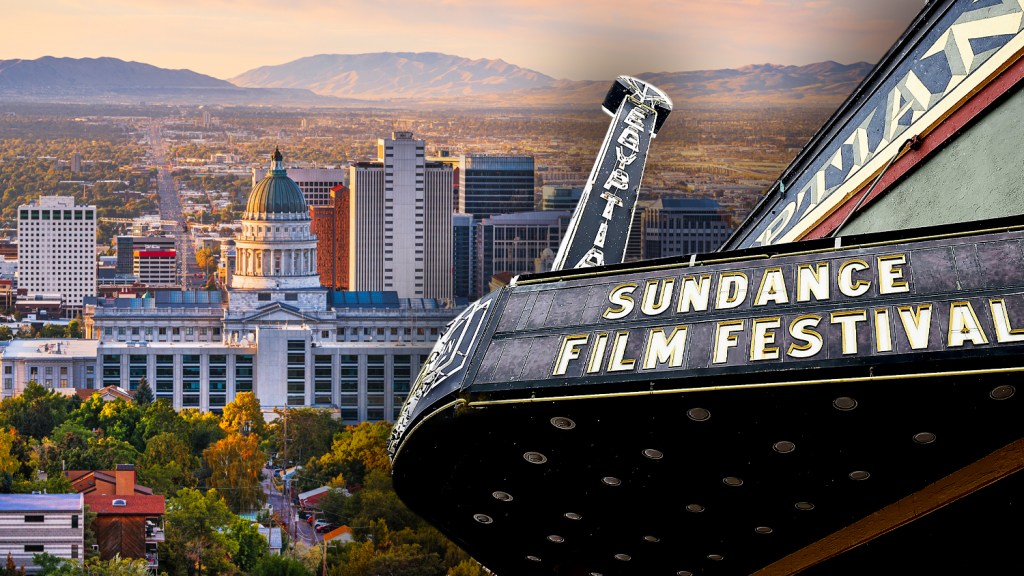
In a surprising twist in the cultural landscape of Utah, Governor Spencer Cox has announced plans to establish a new film festival aimed at fostering artistic expression and community engagement. This initiative comes in the aftermath of the controversial departure of the Sundance Film Festival from the state, which has sparked heated discussions about artistic freedom, the representation of LGBTQ+ communities, and the implications of recent legislative actions. Notably, this announcement coincides with the state’s implementation of a law that bans the display of LGBTQ+ flags in public spaces, raising questions about the direction of cultural acceptance in Utah.
The Context of the Announcement
Following the departure of Sundance, which has been a cornerstone of Utah’s cultural identity since its inception, the new film festival aims to fill the void left behind. The festival is seen as an opportunity to showcase not just the work of local filmmakers but also to attract international talent. Governor Cox emphasized the need for a platform that champions creativity while also fostering a dialogue about the changing social dynamics in the state.
However, the backdrop of this announcement is steeped in controversy. The recent legislation that restricts the display of LGBTQ+ flags in public spaces has stirred significant backlash from advocates for LGBTQ+ rights. Critics argue that this law not only stifles freedom of expression but also sends a message of exclusion to the LGBTQ+ community.
Artistic Freedom vs. Legislative Restrictions
The juxtaposition of the new film festival against the backdrop of restrictive laws raises vital questions about the future of artistic expression in Utah. Advocates for the festival argue that it symbolizes a commitment to nurturing creativity and inclusivity, even in a politically charged environment. They believe that film can serve as a powerful medium to challenge stereotypes and promote understanding.
On the other hand, opponents of the recent legislation contend that such laws undermine the very spirit of artistic freedom the festival seeks to promote. By limiting the visibility of LGBTQ+ symbols, they argue, the law effectively silences voices that are already marginalized in society. This has created a palpable tension between the aspirations of the festival and the legislative framework governing public expression.
Community Reactions
The response from the community has been mixed. While many view the new film festival as a positive step towards revitalizing Utah’s cinematic landscape, others are skeptical about whether it can genuinely represent diverse voices under the shadow of recent laws. Here are some of the prevailing sentiments:
- Optimism for Artistic Expression: Many local filmmakers and artists are excited about the prospect of having a new platform to showcase their work. They see this as an opportunity to push boundaries and explore themes that resonate with contemporary issues, including LGBTQ+ rights.
- Concerns About Authenticity: Some community members question whether the festival will truly embrace diversity. There are fears that, given the current political climate, the festival may shy away from presenting LGBTQ+ narratives or critical perspectives on the legislation.
- Calls for Solidarity: LGBTQ+ activists have expressed the need for the festival to take a stand against discriminatory laws. They argue that for the festival to be credible, it must actively support and amplify marginalized voices, rather than merely existing in a vacuum.
The Role of Film in Advocacy
Film has long been a vehicle for social change, capable of challenging perceptions and sparking dialogue. The new festival presents an opportunity not just to entertain but to educate and advocate. By featuring films that explore LGBTQ+ themes and issues, the festival could play a crucial role in reshaping narratives within the state.
Moreover, this initiative aligns with a broader trend of film festivals embracing social responsibility. Many festivals worldwide are increasingly focusing on issues of representation and inclusivity, recognizing that the stories told on screen can have profound impacts on public perception and policy.
Looking Ahead: The Future of the Festival
As planning for the festival unfolds, key questions will need to be addressed:
- Will the festival prioritize diverse storytelling? To be meaningful, the festival must ensure that it includes a wide range of voices, particularly those from the LGBTQ+ community. This commitment will be critical in establishing its credibility and relevance.
- How will the festival respond to criticism? Engaging with community concerns transparently will be essential. The festival’s organizers will need to foster an open dialogue with activists and artists to build trust and rapport.
- What partnerships can be forged? Collaborations with LGBTQ+ organizations and advocacy groups could enhance the festival’s impact. By aligning with those who are directly affected by these legislative changes, the festival could amplify its message and reach.
Conclusion: A Cultural Crossroads
Utah’s bold move to launch a new film festival amid controversy over LGBTQ+ legislation reflects the complexity of navigating artistic expression in a politically sensitive environment. As the festival takes shape, it holds the potential to be a beacon of hope and creativity, offering a platform for diverse narratives. However, it must also be cautious and intentional in its approach, ensuring that it stands as a true ally to the LGBTQ+ community.
The coming months will be pivotal in determining how this festival can contribute to the ongoing dialogue around inclusivity and representation in Utah. Ultimately, it represents not just a celebration of film, but a critical moment for the state to reassess its values and commitments to all its citizens.
See more CNET Live