
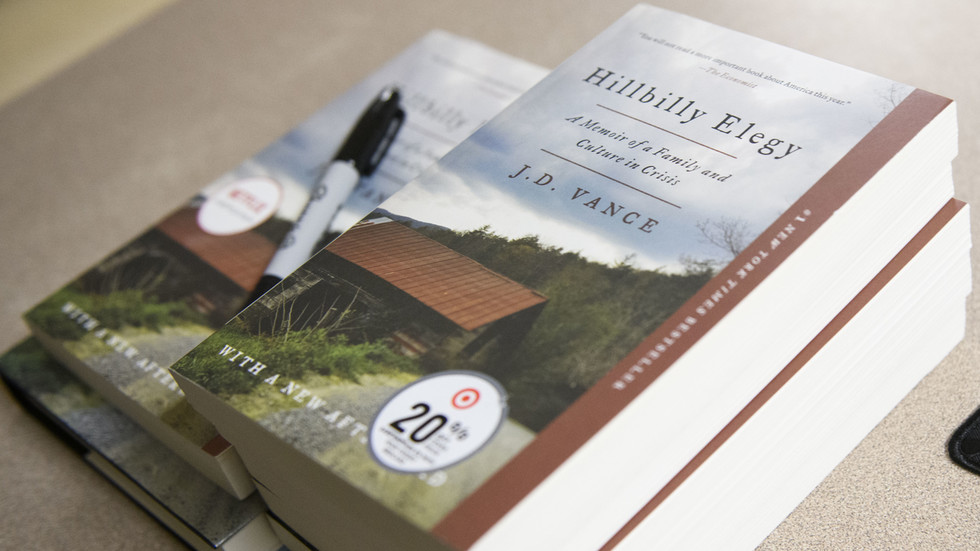
Controversy in the EU: The Unexpected Withdrawal of Vance’s Book
In a surprising turn of events, the literary world has been set abuzz by the unexpected withdrawal of a highly anticipated book by author Vance from a major EU publisher. This action has ignited a fierce debate about censorship, artistic freedom, and the impact of political and social climates on literature in Europe. The decision to retract Vance’s book has not only disappointed fans and literary critics but has also raised significant questions about the relationship between art and politics in contemporary society.
The Backstory: Who is Vance?
Vance, an author known for his provocative and thought-provoking narratives, has carved a niche for himself in the European literary scene. His previous works have often explored themes of identity, power, and the intricacies of human relationships against the backdrop of a rapidly changing world. With a loyal following and critical acclaim, expectations for his latest book were sky-high.
The book in question was initially set to be a bold commentary on current social issues, reflecting the tensions and challenges faced by many in Europe today. However, the publisher’s abrupt decision to withdraw the book has raised eyebrows and left many questioning the motivations behind such a significant move.
The Controversial Decision
The withdrawal of Vance’s book has been met with widespread shock. The publisher cited “concerns regarding the content” as the primary reason for their decision. While specifics were not disclosed, insiders suggest that the book’s themes may have been deemed too controversial or inflammatory given the current socio-political climate in Europe.
This situation is not unique to Vance. Numerous authors have faced similar challenges, where their works have been pulled or censored due to perceived political sensitivities. Critics argue that such actions stifle creativity and inhibit vital discussions around pressing societal issues.
The Impact on Artistic Freedom
The retraction of Vance’s book underscores a critical issue in the realm of artistic expression: the balance between creative freedom and societal responsibility. Advocates for artistic freedom argue that writers should have the liberty to explore and express their ideas, regardless of how controversial they may be. They contend that literature often serves as a mirror to society, reflecting its flaws and sparking necessary conversations.
On the other hand, some argue that authors must navigate the complexities of their environments and consider the potential repercussions of their work. In an increasingly polarized world, the risk of backlash can be significant, particularly when sensitive subjects are involved.
The Broader Context: Censorship in Europe
The controversy surrounding Vance’s book is part of a larger trend of censorship in Europe. Various countries have implemented laws and regulations that restrict certain types of speech or expression, often in the name of protecting societal values or public order. This has led to a growing climate of fear among authors, who worry that their works may not be welcomed or may even provoke legal repercussions.
- France: The French government has grappled with issues of hate speech and has taken steps to regulate content that may incite violence or discrimination.
- Germany: Germany’s history with censorship has led to strict laws regarding hate speech, impacting how authors approach sensitive topics.
- Hungary and Poland: In recent years, both countries have seen authors facing challenges as governments impose restrictions on media and literature that contradicts official narratives.
The ripple effects of these policies are significant; they create an environment where authors might self-censor, inhibiting their ability to fully engage with the themes and issues that define contemporary life.
The Role of Social Media and Public Opinion
In today’s digital age, social media plays an integral role in shaping public discourse. The discussions surrounding Vance’s book have exploded across various platforms, with opinions ranging from staunch support for the author to vehement condemnation of his work. The immediate and visible nature of social media can amplify voices—both supportive and critical—leading to swift reactions that often influence decision-making in the publishing industry.
Public opinion can be a double-edged sword. While it can rally support for an author facing censorship, it can also create pressure on publishers to retract works that may be deemed offensive or troubling by certain segments of society. This dynamic raises questions about whose voices are being prioritized and whose stories are being silenced.
The Future of Literature in Europe
As the dust settles on the controversy surrounding Vance’s book, it’s essential to consider the future of literature in Europe. Will this incident encourage more authors to take risks in their writing, or will it lead to a chilling effect where writers shy away from contentious topics? The answer remains uncertain.
However, one thing is clear: the ongoing dialogue about censorship, artistic freedom, and the role of literature in society is more crucial than ever. Authors, readers, and publishers must engage in constructive conversations about the responsibilities that come with creative expression and the societal implications of their work.
Conclusion: A Call to Action
The unexpected withdrawal of Vance’s book serves as a poignant reminder of the delicate balance between artistic expression and societal norms. It challenges us to reflect on the nature of censorship and the importance of fostering an environment where diverse voices can be heard and explored. In a world rife with division, literature has the power to unite, provoke thought, and inspire change.
As readers and supporters of the arts, we must advocate for the freedom of expression, ensuring that authors like Vance can share their stories without fear of retribution. Only then can we cultivate a rich literary landscape that reflects the complexities of our shared humanity.
In the end, the controversy surrounding Vance’s book might just be the catalyst needed to ignite a broader movement towards artistic freedom and the preservation of literature as a vital component of our culture.
See more CNET Live