
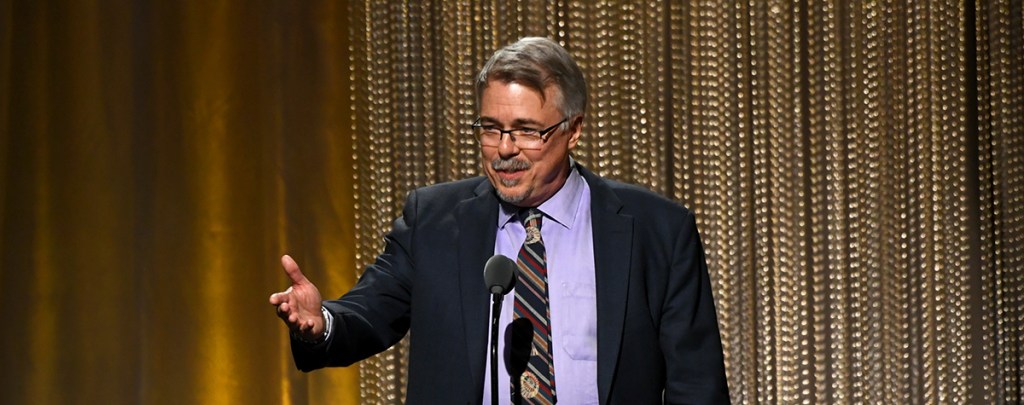
Vince Gilligan Urges Hollywood: Elevate Heroes, Tame the Allure of Villains
In an era where television and film have become battlegrounds for moral ambiguity, Vince Gilligan, the acclaimed creator of Breaking Bad, has stepped into the spotlight with a powerful message. During his recent acceptance speech for the Writers Guild of America (WGA) Honorary Award, Gilligan urged Hollywood to focus on the authentic portrayal of heroes while warning against the dangerous allure of villains. His call to action resonates deeply in today’s entertainment landscape, where the lines between good and evil are often blurred.
The Importance of Authentic Heroes
Vince Gilligan’s body of work has consistently challenged traditional narratives, inviting audiences to explore the complexities of human nature. In his speech, he emphasized that heroes should not just be idealized figures, but rather, they should reflect the struggles and imperfections that define the human experience. Authentic heroes possess qualities that viewers can relate to—flaws, vulnerabilities, and the capacity for growth.
Gilligan’s philosophy suggests that when heroes are portrayed as multidimensional characters, it fosters a deeper connection with the audience. This connection is crucial in a world where viewers seek authenticity and relatability. By elevating heroes, writers can inspire audiences to aspire to betterment, encouraging them to confront their challenges and strive for personal growth.
- Relatability: Heroes should mirror the struggles of everyday life.
- Growth: Characters should evolve and learn from their experiences.
- Complexity: Flaws should be embraced, making heroes more realistic.
The Dangers of Romanticizing Villains
While Gilligan champions the portrayal of heroes, he also cautions against the romanticization of villains. In recent years, there has been a notable trend in entertainment that glorifies antiheroes and complex antagonists, often leading audiences to empathize with their darker motivations. Gilligan argues that this trend can distort moral values and blur the line between right and wrong.
He highlights that while villains can be fascinating and compelling, their narratives should not overshadow the importance of heroism. By glamorizing villainous behavior, creators risk sending the message that unethical actions are justifiable or even admirable. This can have profound implications, especially for younger audiences who are still forming their understanding of morality.
- Moral Ambiguity: Characters like Walter White can confuse audiences about right and wrong.
- Misplaced Admiration: Glorifying villains can lead to toxic fan culture.
- Ethical Responsibility: Writers have a duty to promote ethical behavior in storytelling.
Striking a Balance in Storytelling
Gilligan’s insights urge writers to strike a balance between compelling storytelling and ethical responsibility. The challenge lies in crafting narratives that are engaging while still upholding a moral compass. This balance requires careful consideration of character arcs, motivations, and the consequences of actions. By doing so, creators can produce stories that are not only entertaining but also meaningful.
One way to achieve this balance is by presenting heroes and villains as two sides of the same coin. Characters can be developed in such a way that their choices reflect their backgrounds, desires, and fears. This method creates a rich tapestry of characters that allows audiences to explore the depths of human psychology.
Broader Implications for the Industry
Gilligan’s call to elevate heroes and tame the allure of villains has broader implications for the film and television industry. As audiences become increasingly sophisticated in their consumption of media, the demand for quality storytelling rises. This demand creates an opportunity for writers to innovate and explore new character dynamics that challenge existing norms.
Moreover, the entertainment industry has a profound influence on culture and society. By prioritizing authentic heroes and addressing the consequences of villainous behavior, creators can contribute to a more nuanced understanding of morality in the real world. The stories told in Hollywood can inspire positive change and foster a sense of community and empathy among viewers.
Conclusion: A Call to Action for Creators
In conclusion, Vince Gilligan urges Hollywood to reconsider its approach to character dynamics in storytelling. By elevating heroes and taming the allure of villains, writers can create narratives that resonate with audiences on a deeper level. The challenge for creators is to embrace the complexity of human nature, portraying characters that inspire growth while acknowledging the dangers of romanticizing malevolent behavior.
As the industry continues to evolve, Gilligan’s insights serve as a beacon, guiding creators toward storytelling that is not only entertaining but also meaningful. By fostering a culture that celebrates authentic heroism, Hollywood can pave the way for a new generation of narratives that inspire, challenge, and uplift. The time is ripe for a shift in perspective—one that honors the heroes among us and interrogates the allure of villainy.
See more CNET Live