
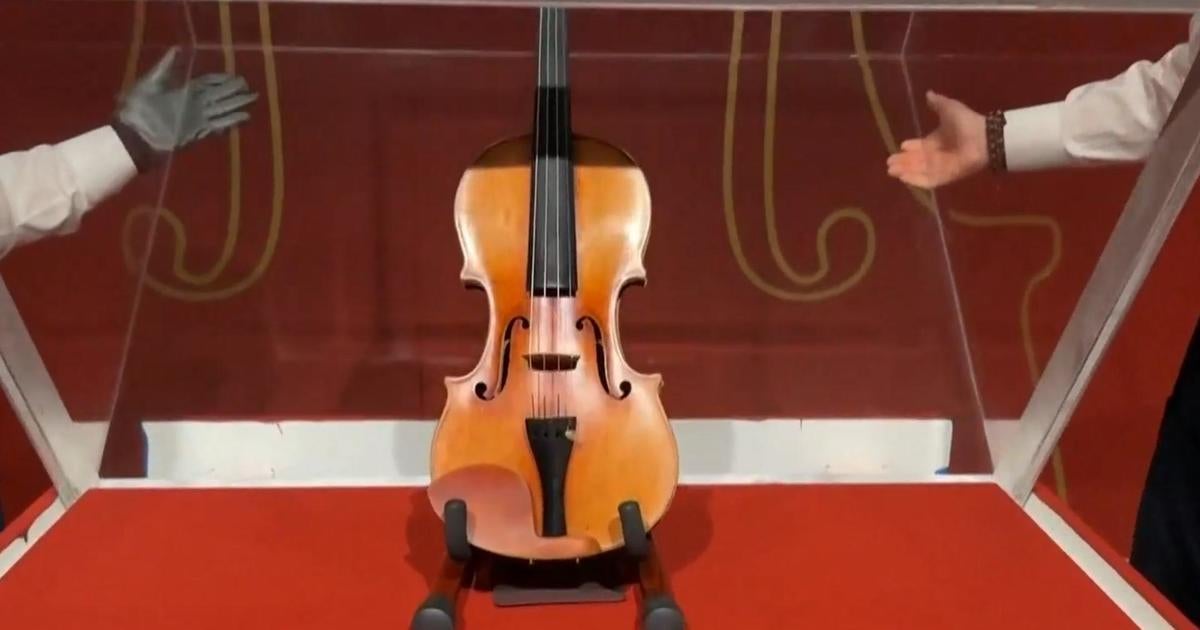
A 311-Year-Old Violin Breaks Records with $11 Million Auction Sale
In a stunning display of artistry and value, a rare 311-year-old violin has recently sold for over $11 million at auction, captivating collectors and musicians alike. This extraordinary sale not only highlights the violin’s remarkable craftsmanship and historical significance but also raises intriguing questions about the intersection of art, history, and market demand. As the music world buzzes with excitement, let’s delve deeper into the story behind this exceptional instrument, the implications of its record-breaking sale, and what it means for the future of rare musical instruments.
The Historical Significance of the Violin
This remarkable violin, crafted in 1712 by the renowned Italian luthier Antonio Stradivari, is a stunning example of the artistry that defined the golden age of violin making. Stradivari, whose instruments are celebrated for their unparalleled sound quality and aesthetic beauty, created only around 1,100 violins during his lifetime, making each one a rare gem. This particular violin, known as the “da Vinci,” not only stands out for its age but also for its storied past, having been played by some of the world’s most celebrated musicians.
Over the centuries, this violin has witnessed countless performances and historical events, lending it a rich narrative that adds to its value. It is not merely an instrument; it is a vessel of history that has transcended generations. Collectors and musicians alike are drawn to such instruments, not just for their sound but for the stories they carry within their wooden bodies.
The Auction: A Historic Event
The auction that facilitated the sale of this 311-year-old violin was hosted by a prestigious auction house known for dealing in high-value musical instruments. The bidding war that ensued was a spectacle in itself, drawing collectors from around the world eager to own a piece of musical history. What started as a modest opening bid quickly escalated into a fierce competition, ultimately resulting in the staggering final price of $11 million.
This sale marks a new milestone in the world of musical instruments, breaking previous records and setting a new standard for the value of fine violins. The previous record for a violin sale was around $10 million, making this auction not just a significant financial event but also a cultural one that highlights the growing appreciation for historical instruments.
Market Demand and Artistry
The astronomical price of the 311-year-old violin raises important questions about the dynamics of market demand in the art world. As wealth continues to concentrate among a small percentage of the population, the market for high-value collectibles, including fine art and rare instruments, has seen a notable increase in demand. Collectors are increasingly willing to invest substantial sums into pieces that not only appreciate in value but also serve as a testament to human creativity and craftsmanship.
Moreover, the allure of owning a Stradivari instrument is not solely rooted in its financial value. For musicians, the sound quality and playability of such violins are unmatched. Many professional violinists consider a Stradivari to be the pinnacle of stringed instruments, capable of producing a sound that can evoke deep emotional responses. The intersection of art and utility plays a crucial role in enhancing the value of such historic instruments.
The Future of Rare Musical Instruments
With the record-breaking sale of the 311-year-old violin, the future of rare musical instruments looks promising yet complex. As more collectors enter the market, driven by both passion and investment potential, the prices for exceptional pieces are likely to continue rising. However, this trend also poses challenges, particularly for musicians who aspire to play such instruments.
- Accessibility: As prices soar, the opportunity for aspiring musicians to access high-quality instruments diminishes. This raises concerns about the sustainability of musical education and the ability for talented young musicians to express themselves using the best tools available.
- Preservation: The preservation of historical instruments becomes increasingly important. Owners of such valuable pieces must balance the desire to play with the need to protect these instruments from wear and tear.
- Market Speculation: As with any collectible market, the risk of speculation can lead to bubbles. Collectors must navigate these waters carefully to ensure that their investments do not lead to financial loss.
The Emotional Connection to Musical Instruments
At the heart of this record-breaking sale lies a profound emotional connection that musicians and collectors have with their instruments. For many, a violin is not just a tool for creating music; it embodies memories, dreams, and aspirations. The 311-year-old violin represents a bridge between the past and present, a reminder of the timeless beauty of music.
Musicians often speak of their instruments as extensions of themselves, capable of expressing emotions and telling stories in ways that words cannot. This deep-seated bond enhances the value of such instruments, making them desirable not only for their craftsmanship but also for their ability to connect people across time and space.
Conclusion: A New Era for Musical Instruments
The sale of the 311-year-old violin for over $11 million marks a significant moment in the world of fine instruments, emphasizing the rich intersection of art, history, and market dynamics. As we move forward, it will be fascinating to observe how this sale influences the market for rare musical instruments and the broader art world. Collectors, musicians, and enthusiasts alike will continue to be captivated by the beauty and significance of these extraordinary creations.
Ultimately, the story of this violin is not just about its monetary value; it is about the enduring power of music and the artistry that brings it to life. As we celebrate this milestone, we are reminded of the importance of preserving our cultural heritage and fostering a love for music that transcends generations.
See more CNET Live