
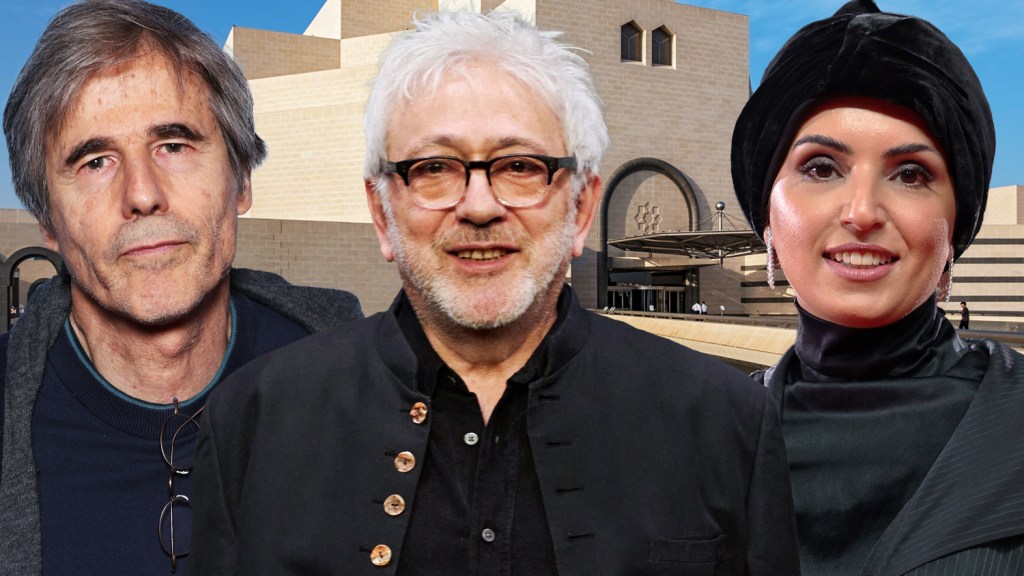
Acclaimed Brazilian filmmaker Walter Salles will inaugurate Qatar’s 2024 Qumra Meeting, a pivotal event fostering underrepresented storytellers in global cinema. Running from March 1-6 in Doha, this year’s gathering tackles urgent themes of social justice through film, offering creative sanctuary amid geopolitical tensions. The festival combines masterclasses, screenings, and mentorship programs to amplify narratives from conflict zones and marginalized communities.
A Platform for the Unheard
Salles, director of The Motorcycle Diaries and Central Station, brings his expertise in humanizing marginalized perspectives to Qumra’s sixth edition. The event has supported 254 projects from 52 countries since its 2015 launch, with 78% originating from the Global South according to Doha Film Institute reports. This year’s lineup includes:
- 12 feature films in development from conflict regions
- 8 documentary projects focused on displaced communities
- 5 virtual reality experiences exploring refugee narratives
“Cinema remains one of our most potent tools for bridging divides,” Salles stated in a pre-event interview. “When mainstream channels exclude certain voices, platforms like Qumra become lifelines – not just for artists, but for collective understanding.”
Storytelling as Social Justice
The timing proves significant. UNESCO’s 2023 Global Report revealed that 62% of national film agencies allocate less than 15% of funding to minority-led productions. Qumra counters this imbalance through:
- Mentorship pairings with Oscar-winning producers
- Production grants totaling $2.3 million annually
- Distribution pathways to major festivals
Palestinian director Mayye Zayed, whose 2022 Qumra-supported documentary Lift Like a Girl earned critical acclaim, emphasizes the program’s impact: “They didn’t just fund my film about female athletes in Alexandria – they connected me with editors who understood the cultural nuances. That sensitivity makes all the difference.”
Political Tensions and Creative Refuge
Against the backdrop of regional conflicts, Qumra’s role as neutral ground grows increasingly vital. The 2024 edition features:
- A Ukrainian director’s war diary project
- A Yemeni filmmaker’s exploration of hunger crises
- An Afghan animator’s work on girls’ education
Film scholar Dr. Alia Yunis notes: “While cultural boycotts dominate headlines, Qumra demonstrates how art can maintain dialogue when politics fail. Last year’s Sudanese-Ethiopian coproduction emerged from connections made here.”
The Ripple Effects of Representation
Data suggests Qumra’s model creates lasting change. 63% of supported projects secure distribution, compared to the MENA region’s 22% average for independent films. The 2021 selection The Gravedigger’s Wife became Somalia’s first Oscar submission, while 2020 participant Scales won Venice’s Verona Film Club Award.
“We measure success not just in premieres, but in paradigm shifts,” explains Qumra program director Fatma Al Remaihi. “When a Qatari teenager sees a Nepali filmmaker’s story resonate globally, it expands their sense of what’s possible.”
Looking Beyond the Spotlight
As the event commences, industry watchers highlight emerging challenges:
- Navigating censorship while supporting controversial narratives
- Balancing Western festival expectations with authentic local storytelling
- Securing sustainable funding beyond project development phases
Salles remains optimistic: “The films emerging from these margins don’t just fill programming slots – they redefine our cultural vocabulary. That’s why protecting these spaces matters more than ever.”
For those invested in cinema’s evolution as a force for equity, Qumra 2024 offers both inspiration and actionable insights. Follow #Qumra2024 for live updates on groundbreaking projects and discussions shaping the future of inclusive storytelling.
See more CNET Live