
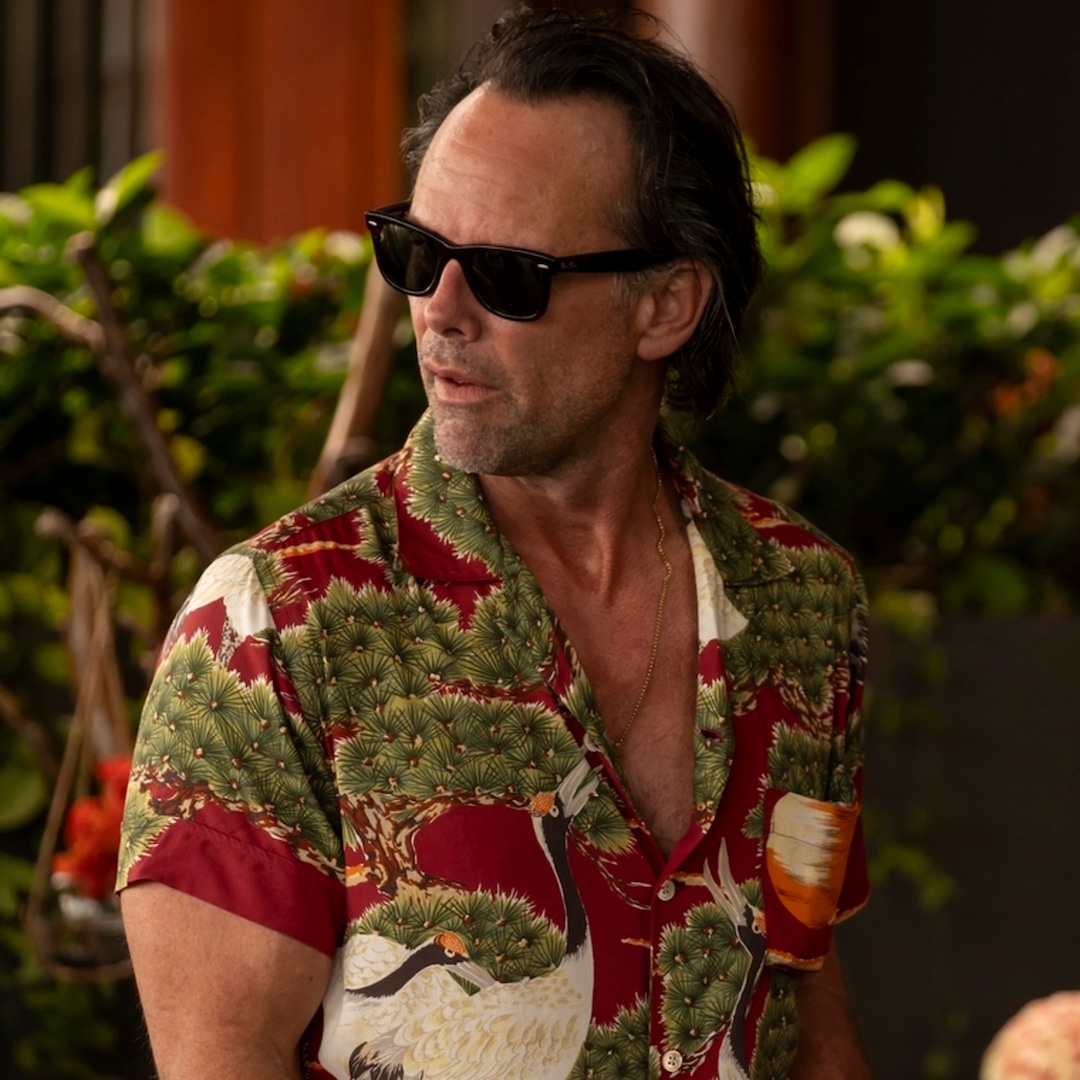
Walton Goggins’ Harrowing Snake Bite Incident on ‘White Lotus’ Set
In an unexpected turn of events, actor Walton Goggins found himself facing a significant health scare while filming the critically acclaimed series ‘White Lotus’. The incident, a snake bite, not only raised alarms about the safety measures in place on set but also highlighted the often-overlooked challenges that actors encounter during production. This article delves into the details of Goggins’ snake bite incident, the implications for set safety, and the broader context of actor safety in the film industry.
The Incident: What Happened?
During a routine filming day on the picturesque set of ‘White Lotus’, Walton Goggins was bitten by a snake, an event that many would consider a rare and alarming occurrence in the world of television production. While details surrounding the exact circumstances of the bite remain somewhat sparse, sources indicate that Goggins was in a location known for its natural beauty, which can sometimes come with hidden dangers.
Following the incident, Goggins was promptly hospitalized, where he received immediate medical attention for the snake bite. Thankfully, reports confirm that he is recovering well, and the incident has not left any long-term health issues. However, the event has sparked conversations about safety protocols on film sets, especially those set in natural environments.
Safety on Set: A Growing Concern
The film and television industry is known for its rigorous safety measures; however, incidents like Goggins’ snake bite serve as a reminder that unpredictable situations can arise, particularly in outdoor settings. Here are some aspects of set safety that are crucial for everyone involved in production:
- Pre-Production Risk Assessment: Prior to filming in any natural location, a thorough risk assessment should be conducted. This includes identifying potential wildlife hazards, including snakes, and planning accordingly.
- On-Site Medical Support: Having medical personnel on-site during filming can be critical. In Goggins’ case, quick access to medical care undoubtedly contributed to his positive recovery.
- Safety Training: Actors and crew should undergo training on how to handle wildlife encounters, including recognizing venomous snakes and knowing basic first-aid procedures for bites.
- Communication: Clear communication about the potential risks of the filming environment is essential. This ensures that everyone is aware and prepared for emergencies.
The Broader Implications for Actors
Walton Goggins is not alone in facing unexpected dangers on set. The nature of acting often requires performers to engage deeply with their environments, which can lead to risks that are not always visible during pre-production planning. Here are some related concerns that actors must navigate:
- Physical Demands: Many roles require actors to perform stunts or engage in physically demanding scenes, which can lead to injuries if not properly managed.
- Psychological Stress: The pressure to perform can take a toll on mental health, particularly when unexpected incidents like a snake bite occur.
- Public Scrutiny: Actors often face public scrutiny not only regarding their performances but also concerning any mishaps that occur during production. This can add an additional layer of stress.
Lessons Learned from Walton Goggins’ Experience
The incident involving Walton Goggins offers several valuable lessons for the industry. As filmmakers and production teams reflect on safety protocols, it is crucial to remember that the well-being of cast and crew should always be the top priority. Here are some key takeaways:
- Prioritize Safety: Safety should never be an afterthought. Implementing comprehensive safety measures can prevent incidents before they occur.
- Embrace Transparency: Open discussions about safety concerns can lead to better preparedness. Crew members should feel empowered to voice any worries they may have.
- Learn from Incidents: Every incident, including Goggins’ snake bite, should serve as a learning opportunity for the industry to improve safety protocols.
Looking Ahead: Future of Set Safety
As the film industry continues to evolve, so too must its approach to safety. The increasing trend of filming in diverse and challenging environments means that production teams must remain vigilant. Here are some potential future developments in set safety:
- Advanced Technology: Innovations in technology, such as drones for aerial surveillance, can help monitor environments for wildlife and other hazards.
- Enhanced Training Protocols: Ongoing education and training programs for actors and crew can ensure that everyone is equipped to handle unexpected situations.
- Collaboration with Wildlife Experts: Engaging with wildlife experts can provide valuable insights into managing natural settings safely.
Conclusion: A Positive Outlook
While Walton Goggins’ harrowing snake bite incident on the set of ‘White Lotus’ was undoubtedly alarming, it has opened the door to important discussions about safety in the film industry. As Goggins recovers, it is essential for the industry to take proactive steps to ensure the safety of all involved in production. By prioritizing safety, investing in training, and learning from experiences, the film industry can create a safer environment for its actors and crew, allowing for creative expression without compromising health and well-being.
Ultimately, incidents like Goggins’ serve as a reminder of the unpredictable nature of working in natural settings, but they also inspire growth and improvement in safety practices. As we move forward, let us hope that the lessons learned lead to a safer, more supportive environment for all who work in film and television.
See more CNET Live