
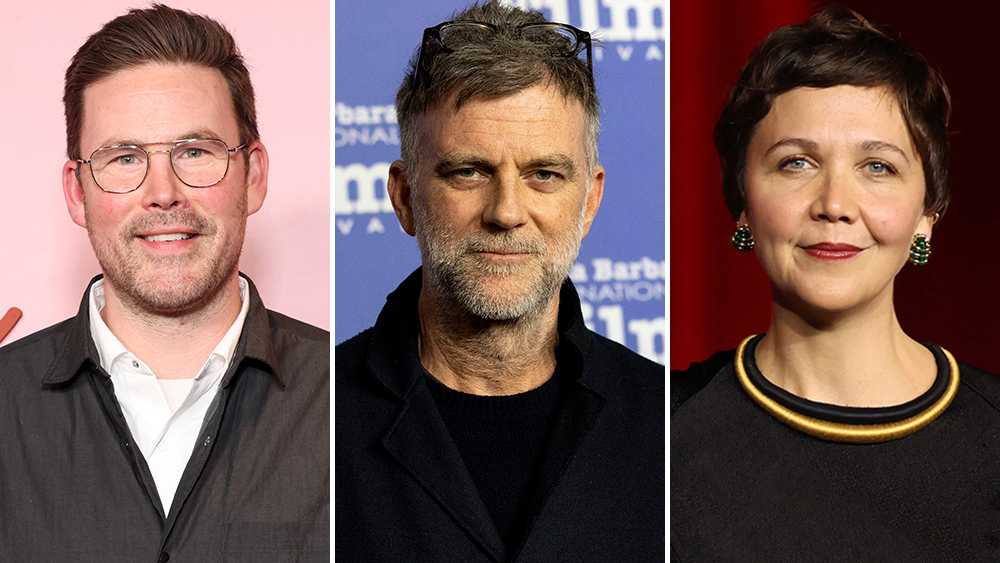
Warner Bros. Strategic Shakeup: Understanding the Recent Film Release Rescheduling
In a bold and strategic move, Warner Bros. has recently announced significant changes to its film release schedule. This decision comes at a crucial time when the film industry is undergoing substantial transformations. With anticipated films like Weapons now slated for an August release and Paul Thomas Anderson’s latest project shifted to the fall, these adjustments are indicative of broader trends in movie distribution and audience engagement. The shakeup reflects not only the studio’s responsiveness to changing market conditions but also its ambition to adapt to the evolving landscape of the entertainment world.
The Reasons Behind Warner Bros. Release Rescheduling
Warner Bros.’ decision to reschedule major film releases can be attributed to several interrelated factors:
- Market Dynamics: The film industry has seen a rapid evolution in audience preferences, particularly post-pandemic. With streaming platforms gaining immense popularity, studios are reevaluating theatrical release strategies.
- Competition: As more films vie for box office dollars, timing becomes critical. By adjusting release dates, Warner Bros. aims to avoid clashes with other major releases, optimizing the chances for their films to succeed.
- Audience Engagement: The shift in release dates allows for more effective marketing campaigns. A strategic delay can build anticipation and enhance audience engagement, which is crucial in today’s saturated media landscape.
- Production Challenges: The pandemic has also led to various production delays. As studios navigate these challenges, flexibility in release schedules becomes essential.
Impact of Streaming Services on Traditional Releases
One of the most significant shifts in the film industry has been the rise of streaming services. Platforms like Netflix, Disney+, and Amazon Prime have changed how audiences consume content. As a result, Warner Bros. and other studios are compelled to reconsider their traditional release models. The competition for viewers’ attention has never been more intense, leading to:
- Hybrid Release Models: Many studios are opting for simultaneous releases in theaters and on streaming platforms. This model caters to diverse audience preferences, allowing viewers to choose how they want to experience new films.
- Shortened Theatrical Windows: The typical theatrical window has been shrinking. Films that once enjoyed exclusive theatrical runs are now appearing on streaming services within weeks of their release.
Warner Bros. has also experimented with this model, as seen in the release of several films during the pandemic. However, the studio recognizes the importance of theatrical experiences and is navigating a careful balance between theatrical and digital releases.
Anticipated Releases: What’s Coming Up?
As part of the strategic shakeup, Warner Bros. has shifted the release of several highly anticipated films. Among these, Weapons, directed by the acclaimed filmmaker David Leitch, is set for an August release. This film, which stars a star-studded cast, is expected to draw significant attention and box office revenue. The decision to move it to August could be a strategic play to capitalize on the summer blockbuster season, which typically sees increased audience turnout.
In addition to Weapons, Paul Thomas Anderson’s latest project, which remains shrouded in mystery, has been shifted to fall. Anderson, known for his unique storytelling and visual style, often attracts a dedicated audience, making this release highly anticipated among cinephiles.
The Importance of Timing in Film Releases
Timing is a critical factor in the success of film releases. Warner Bros.’ realignment of its release schedule highlights the importance of strategically chosen dates. Some key considerations include:
- Seasonal Trends: Summer and holiday seasons typically yield higher box office returns. By scheduling their films during these peak times, Warner Bros. can maximize audience attendance.
- Genre Considerations: Certain genres perform better in specific seasons. For instance, horror films often thrive in the fall, particularly around Halloween, while family films tend to do well during the holiday season.
- Event Releases: Major events or holidays can be leveraged to generate buzz and increase ticket sales. Warner Bros. may strategically time releases to coincide with events like Comic-Con or award seasons.
Warner Bros. and the Future of Film Distribution
The film industry is at a crossroads, and Warner Bros. is positioning itself at the forefront of this transformation. The strategic shakeup in their release schedule serves as a testament to the studio’s adaptability and forward-thinking approach. By aligning releases with market demands and audience engagement strategies, Warner Bros. aims to not only survive but thrive in this competitive landscape.
Furthermore, the studio’s focus on quality storytelling and innovative marketing will be crucial as it navigates the challenges of the modern film industry. Audiences are increasingly looking for unique and engaging content, and Warner Bros. has a strong legacy of delivering just that. The studio’s commitment to maintaining a theatrical presence while adapting to the digital revolution will play a vital role in its ongoing success.
Conclusion: Embracing Change in the Film Industry
Warner Bros.’ strategic shakeup, including the rescheduling of major film releases, reflects the dynamic nature of the film industry. As the studio adapts to evolving audience preferences and market conditions, it reinforces the importance of flexibility in planning and execution. Films like Weapons and Paul Thomas Anderson’s upcoming project exemplify the studio’s dedication to delivering compelling content that resonates with viewers.
As we look ahead, it will be fascinating to see how Warner Bros. and other studios continue to innovate and respond to the ever-changing landscape of film distribution. The strategic decisions made today will undoubtedly shape the future of cinema, ensuring that audiences remain engaged and excited about the stories yet to be told.
See more CNET Live