
Warner Bros. Games to Halt Wonder Woman Project: Analyzing the Impact on the Gaming Industry
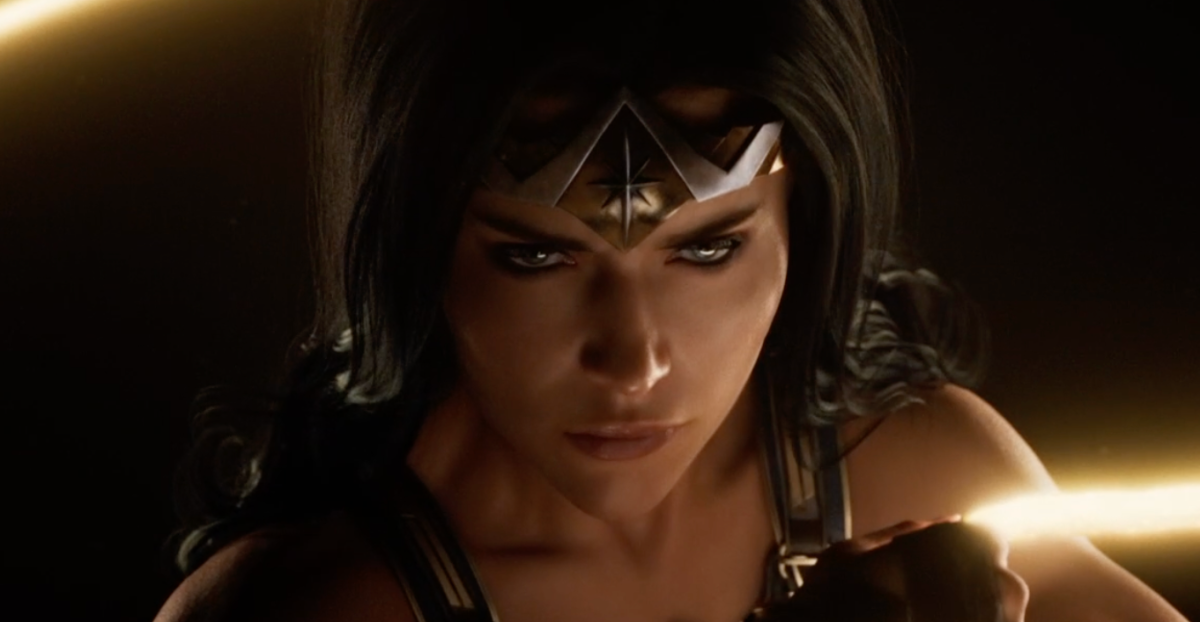
In a stunning announcement, Warner Bros. Games has confirmed the cancellation of its much-anticipated Wonder Woman video game. This decision, coupled with the closure of three development studios, has sent shockwaves through the gaming community and raised critical questions about the company’s strategic direction. As fans and industry insiders digest this news, it’s essential to explore what this means for the future of superhero-themed gaming and the broader implications for the gaming industry as a whole.
The Cancellation of the Wonder Woman Game
The Wonder Woman video game was positioned as a key title in Warner Bros. Games’ lineup, promising to deliver an immersive experience that celebrated one of the most iconic superheroes in comic book history. Developed by Monolith Productions, known for their work on the Middle-earth series, the project aimed to take players on an epic journey through the mythos of Wonder Woman, combining action, storytelling, and exploration.
Despite its potential, Warner Bros. has decided to halt the project, a move that has left many fans disappointed and puzzled. The decision reflects a growing trend in the gaming industry where companies are reevaluating their portfolios and focusing on projects that align more closely with their strategic goals. The cancellation raises significant questions about the viability of superhero games in an increasingly competitive marketplace.
Reasons Behind the Cancellation
While Warner Bros. has not disclosed specific reasons for the cancellation of the Wonder Woman game, several factors are likely at play:
- Market Competition: The gaming industry is saturated with superhero titles, making it challenging for any single game to stand out. With giants like Marvel and DC competing fiercely, Warner Bros. may have deemed the project less viable.
- Financial Considerations: The gaming landscape has shifted dramatically in recent years, with increased development costs and changing consumer preferences. It’s possible that Warner Bros. assessed the financial risks and decided to reallocate resources to more promising projects.
- Development Challenges: The complexity of game development can lead to unforeseen challenges, including staffing issues, technological hurdles, and shifts in creative direction. Any of these factors could have contributed to the decision to halt the Wonder Woman project.
The Closure of Three Studios
Alongside the cancellation of the Wonder Woman game, Warner Bros. Games announced the closure of three studios. This move is indicative of a broader trend within the gaming industry, where companies are consolidating resources and focusing on fewer, larger projects. The studios affected by this decision have yet to be publicly identified, but their closure signifies a shift in Warner Bros.’s operational strategy.
Implications for the Gaming Community
The closure of studios and cancellation of significant projects can have far-reaching impacts on the gaming community:
- Job Losses: The immediate consequence of studio closures is job loss for developers and creative professionals. This not only affects the individuals involved but can also disrupt ongoing projects and the overall development ecosystem.
- Shift in Game Development Focus: With fewer studios operating, there may be a more concentrated focus on blockbuster titles rather than smaller, innovative games. This could lead to a homogenization of game experiences in the industry.
- Fan Disappointment: Fans invested in the Wonder Woman project and the studios involved are left feeling disappointed. This emotional connection to games and developers is crucial in maintaining a loyal gaming community.
What This Means for the Future of Superhero-Themed Gaming
The cancellation of the Wonder Woman game and the closure of studios raises essential questions about the future of superhero-themed gaming. As the industry evolves, several trends are worth considering:
A Move Towards Established Franchises
With the success of franchises like Marvel’s Spider-Man and the Batman Arkham series, there’s a clear trend towards established properties. Companies may prefer to invest in games that feature beloved characters and stories that already have a dedicated fan base. This approach minimizes risk but can stifle creativity and innovation in the genre.
Emerging Technologies and Trends
As gaming technology continues to advance, new opportunities arise for storytelling and gameplay. Virtual reality (VR) and augmented reality (AR) are gaining traction, and superhero games could leverage these technologies for immersive experiences. Companies willing to explore these avenues may find new ways to engage fans and create unique gaming experiences.
Potential for Indie Developers
While major studios may face challenges, the indie game scene is flourishing. Smaller developers often explore unique narratives and gameplay mechanics that larger studios might overlook. The cancellation of high-profile projects like Wonder Woman opens the door for indie developers to fill the void with fresh ideas and innovative gameplay.
Conclusion: A Call for Resilience
Warner Bros. Games’ decision to halt the Wonder Woman project and close three studios is undoubtedly a significant event in the gaming industry. While it raises concerns about the future of superhero-themed gaming, it also presents an opportunity for reflection and adaptation. As the industry continues to evolve, it’s vital for companies, developers, and fans alike to remain resilient and open to new possibilities.
In the face of disappointment, the gaming community can look toward the future with optimism. New technologies, emerging trends, and the creativity of indie developers may pave the way for a revitalized landscape of superhero games, ensuring that the legacy of heroes like Wonder Woman continues to inspire and engage fans for years to come.
See more CNET Live