
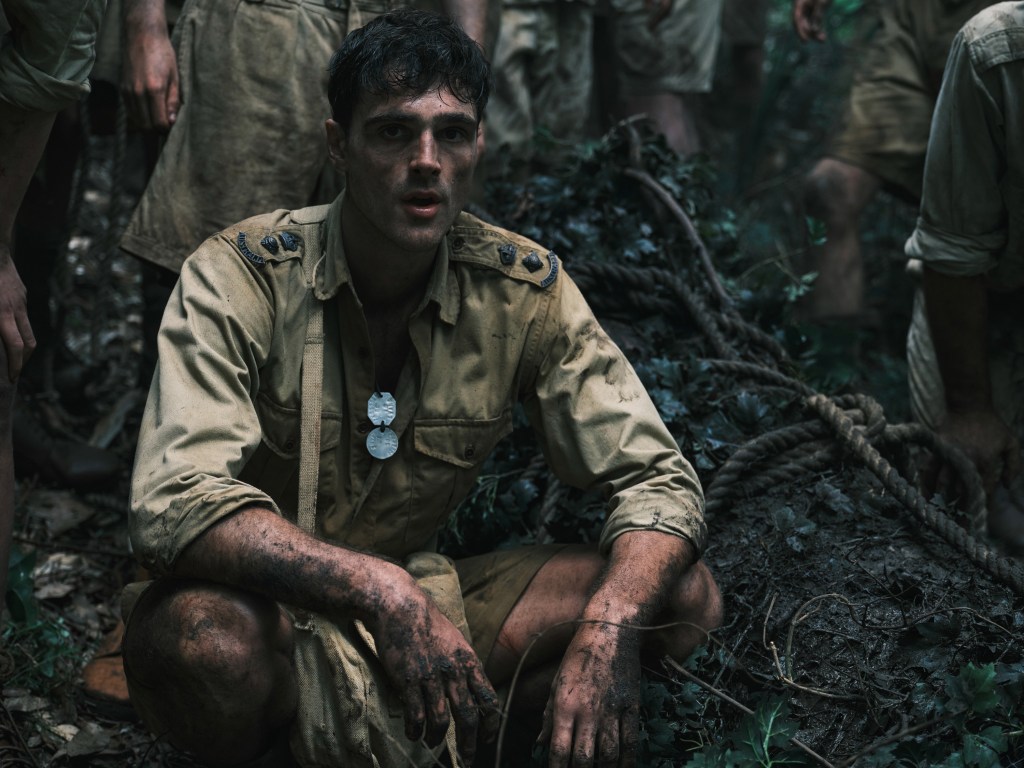
Justin Kurzel’s latest series, showcased at the Berlin Film Festival, captivates audiences with its poignant exploration of wartime trauma. As viewers delve into this atmospheric narrative, they are invited to traverse the emotional landscapes of its characters, each grappling with the scars of conflict. In this article, we will explore how Kurzel’s masterful storytelling not only portrays the raw realities of trauma but also resonates deeply with contemporary audiences.
The Essence of Trauma in Kurzel’s Work
Kurzel has always had a unique ability to depict the human experience, particularly the darker aspects of life. His films often center around characters confronting their nightmares, and this latest series is no exception. The focus keyword, “navigating trauma,” perfectly encapsulates the journey that each character undertakes throughout the series. The narratives unfold against a backdrop of war, where the mental and emotional toll of conflict becomes a character in its own right.
By utilizing a combination of stark visuals and haunting soundscapes, Kurzel immerses the audience in a world where trauma is omnipresent. This approach not only highlights the individual struggles of the characters but also reflects the broader societal impacts of war. In doing so, Kurzel encourages viewers to engage with the often-unspoken consequences of conflict, fostering a deeper understanding of mental health in the context of trauma.
Atmospheric Storytelling: A Key Element
One of the most striking aspects of Kurzel’s series is its atmospheric storytelling. The cinematography plays a crucial role in crafting a sense of place that mirrors the internal struggles of the characters. From the desolate landscapes to the claustrophobic interiors, every frame is carefully constructed to enhance the emotional weight of the narrative. This attention to detail allows the audience to feel the heaviness of each character’s experiences, making their journeys all the more relatable.
- Visual Symbolism: The use of light and shadow throughout the series symbolizes the characters’ fluctuating states of mind. Bright scenes may represent fleeting moments of hope, whereas darker sequences evoke despair.
- Sound Design: The haunting score underscores the emotional turmoil, creating a sensory experience that draws viewers deeper into the narrative.
Each character in Kurzel’s series is meticulously developed, allowing the audience to connect with their personal histories. The portrayal of trauma is nuanced; it varies from character to character, reflecting the diverse ways in which individuals cope with loss and suffering. This multi-faceted approach ensures that the series remains grounded in reality, making it all the more impactful.
For instance, one character may display anger as a defense mechanism, while another might retreat into silence, reflecting the complexity of human responses to trauma. As viewers navigate these personal stories, they are prompted to reflect on their own experiences and the ways in which trauma shapes identity.
The Role of Community in Healing
Another significant theme within Kurzel’s series is the importance of community in the healing process. As the characters confront their traumas, they often find solace in one another, illustrating the profound impact of shared experiences. This element of the narrative serves as a reminder that while trauma can feel isolating, community support can be a powerful tool for recovery.
- Shared Burdens: The characters’ interactions reveal how sharing their burdens can lighten the emotional load, fostering empathy and understanding.
- Collective Healing: The series highlights that healing is not solely an individual journey; it is often a collective process that requires vulnerability and openness.
Contemporary Relevance of War and Trauma
In an era where global conflicts and their repercussions are ever-present, Kurzel’s exploration of wartime trauma holds particular significance. The series serves as a poignant commentary on the ongoing struggles faced by veterans and civilians alike, encouraging viewers to reflect on the long-lasting impacts of war.
Moreover, as mental health awareness continues to grow, Kurzel’s work contributes to the broader conversation surrounding trauma and its effects on psychological well-being. By portraying these struggles authentically, the series helps destigmatize discussions about mental health, emphasizing the importance of seeking help and understanding.
Conclusion: A Journey Worth Taking
Justin Kurzel’s latest series, showcased at the Berlin Film Festival, is more than just a visual spectacle; it is a powerful exploration of navigating trauma. Through atmospheric storytelling and deeply developed characters, Kurzel invites viewers to embark on an emotional journey, confronting the realities of wartime trauma and its implications. As audiences engage with this narrative, they are reminded of the importance of community, understanding, and healing in the aftermath of conflict.
Ultimately, Kurzel’s work stands as a testament to the resilience of the human spirit. It encourages us to acknowledge the scars left by trauma while also illuminating the paths toward recovery and connection. In a world rife with challenges, this series serves as a beacon of hope, urging us to navigate our own traumas with compassion and understanding.
See more CNET Live