
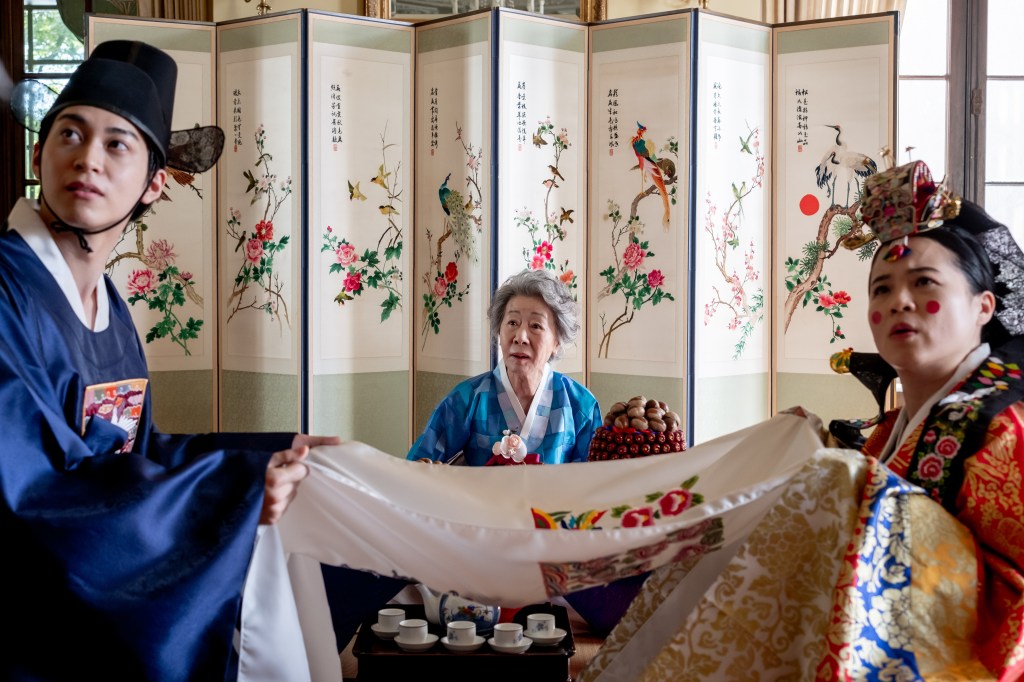
A Heartfelt Reimagining: Andrew Ahn’s ‘The Wedding Banquet’ Captures Timeless Parental Wisdom
In a world constantly evolving in terms of cultural identities and family dynamics, Andrew Ahn’s reimagining of the iconic film The Wedding Banquet emerges not only as a cinematic delight but also as a profound exploration of the relationship between parents and their children. This remake, which debuted at the Sundance Film Festival, shines a light on the enduring bond that exists between mothers and their offspring, particularly within the context of LGBTQ+ narratives. Set against a backdrop of cultural expectations and familial pressures, it captures themes of love, identity, and acceptance with a blend of warmth and humor.
The Legacy of the Original Film
The original The Wedding Banquet, directed by Ang Lee in 1993, was groundbreaking in its portrayal of a gay Asian-American man, Wai-Tung, who finds himself caught between his partner and his traditional parents. The film was a poignant reflection on the clash of cultural values, and it resonated with audiences for its authentic narrative and relatable characters. Ahn’s version pays homage to this legacy while infusing it with contemporary insights and a fresh perspective on the evolving dynamics of family and love.
Andrew Ahn’s Vision: Bridging Generational Gaps
Andrew Ahn, known for his ability to navigate complex emotional landscapes, takes the essence of the original film and reinterprets it through a modern lens. In Ahn’s The Wedding Banquet, we witness the struggles of a young man, David, who grapples with his identity as a gay person within the confines of a traditional family structure. The film portrays his journey not just as a personal struggle but also as a universal narrative of acceptance and understanding that transcends cultural barriers.
- Emotional Depth: Ahn seamlessly blends humor with heart-wrenching moments, allowing audiences to connect deeply with the characters.
- Cultural Nuances: The film expertly examines the pressures of cultural expectations on family members, showcasing the delicate balance between honoring tradition and embracing personal truth.
- Parental Wisdom: Central to the storyline is the timeless wisdom imparted by parents, emphasizing love and acceptance, even in the face of differences.
Timeless Themes of Love and Acceptance
At its core, Ahn’s The Wedding Banquet is a celebration of love in all its forms. It does not shy away from the challenges faced by those who identify as LGBTQ+ but rather highlights the resilience of love that binds families together. The film portrays the journey of self-acceptance and the struggle for validation in a world that often imposes rigid definitions of identity.
One of the standout moments in the film occurs during a climactic family dinner, reminiscent of the original wedding banquet scene. Here, the characters confront their truths, leading to moments of vulnerability and connection. It is during these exchanges that the parental wisdom shines through, reminding viewers of the universal desire for acceptance from loved ones.
The Impact of Cultural Expectations
In Ahn’s reimagining, the weight of cultural expectations is palpable. The film dives into the intricacies of how cultural identity shapes personal relationships. David’s struggle reflects the broader challenge faced by many LGBTQ+ individuals who navigate the dualities of their identities—balancing their sexual orientation with cultural heritage. This theme resonates particularly with Asian-American audiences, who often feel the pressure of familial obligations and societal norms.
As the narrative unfolds, Ahn portrays the journey of reconciliation between personal happiness and familial duty. The film artfully illustrates that while cultural expectations can be burdensome, they can also lead to moments of profound understanding and growth.
Humor as a Tool for Connection
One of the most delightful aspects of Ahn’s The Wedding Banquet is its use of humor to navigate serious subjects. Laughter becomes a bridge that connects the characters, allowing them to address their differences while simultaneously fostering a sense of unity. This balance of humor and heartfelt emotion is essential for making the film relatable and engaging.
- Relatable Characters: The characters, with their quirks and idiosyncrasies, reflect the complexities of real-life relationships, making them relatable to a wide audience.
- Lighthearted Moments: Comedic elements are sprinkled throughout the narrative, providing relief from the weighty themes and making the film an enjoyable experience.
Critical Reception and Audience Impact
The film’s premiere at the Sundance Film Festival garnered enthusiastic applause, with critics praising Ahn’s ability to breathe new life into a classic narrative. Many have noted that this version resonates strongly with contemporary audiences, particularly those who have experienced the challenges of reconciling their personal identities with family expectations.
As viewers engage with the film, they are reminded of the universal themes of love, acceptance, and the sometimes tumultuous journey of self-discovery. The emotional resonance of Ahn’s storytelling invites audiences to reflect on their own familial relationships and the timeless wisdom passed down through generations.
A Lasting Legacy
Andrew Ahn’s The Wedding Banquet is more than just a remake; it is a heartfelt reimagining that captures the essence of parental wisdom and the enduring bond between parents and children. By addressing important themes of love, identity, and cultural expectations, Ahn invites audiences to engage in a dialogue about acceptance and understanding in the face of differences.
As the film continues to make waves in the film industry and among viewers, it stands as a testament to the power of storytelling to bridge generational gaps and foster connections. In an increasingly diverse world, Ahn’s work reminds us that love, in its many forms, is the ultimate unifier.
In conclusion, The Wedding Banquet serves as a poignant reminder that while times change, the wisdom of parents and the bonds of family remain timeless. Ahn’s reimagining adds a new layer of depth to a classic narrative, ensuring its relevance for generations to come.
See more CNET Live