
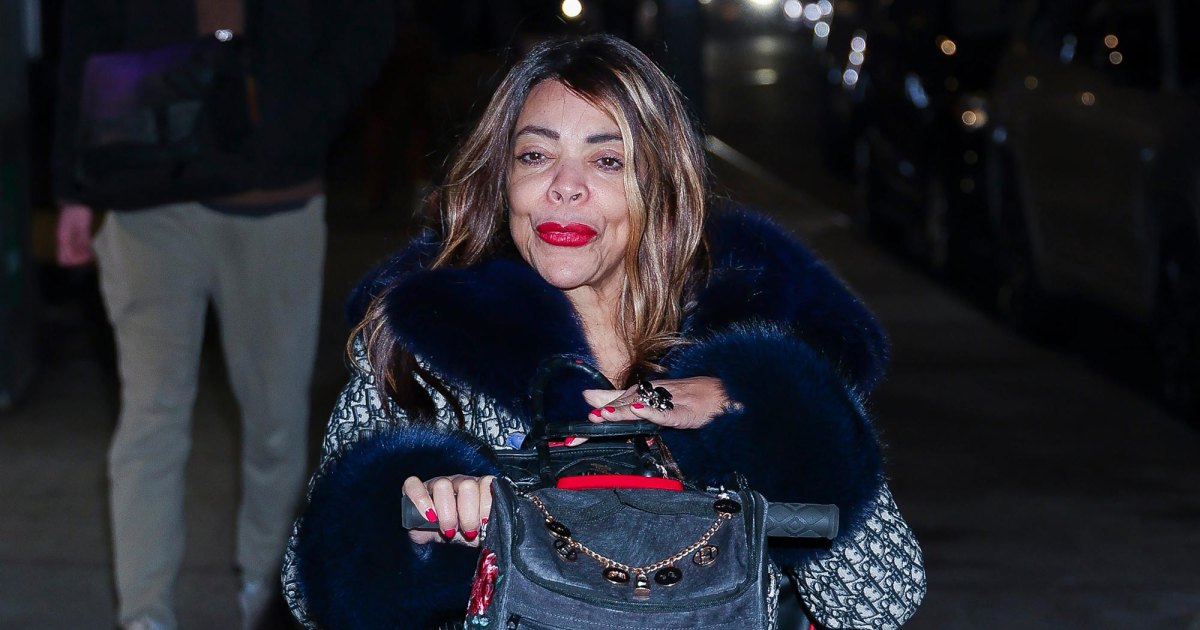
Wendy Williams Advocates for Autonomy in the Face of Guardianship Challenges
Wendy Williams, the well-known television personality and former host of her own daytime talk show, has recently made headlines as she navigates the complexities of her court-ordered guardianship. In a heartfelt statement, she expressed a profound desire for autonomy, prompting a national conversation about the rights of individuals under guardianship. The challenges she faces shed light on broader issues surrounding personal rights, mental health, and the legal systems designed to protect vulnerable individuals.
The Context of Guardianship
Guardianship is a legal mechanism that allows a court to appoint a person or entity to make decisions on behalf of someone who is deemed incapable of managing their own affairs. This arrangement is often put in place for individuals facing significant health issues, cognitive impairments, or other conditions that hinder their ability to make informed decisions. While the intention behind guardianship is to protect, it can also inadvertently strip individuals of their autonomy and personal freedoms.
Wendy Williams was placed under guardianship in 2020 after public concerns arose regarding her health and personal well-being. This decision, while seemingly protective, has raised questions about her ability to make choices about her life, career, and finances. Williams’ recent advocacy for autonomy resonates deeply with many who have experienced similar situations, highlighting the importance of self-determination.
Wendy’s Plea for Freedom
In her powerful statement, Wendy Williams articulated her yearning for independence, stating, “I want to be free. I want to make my own decisions.” This declaration is not just a personal battle; it serves as a rallying cry for others who find themselves in restrictive circumstances due to legal constraints. Williams’ plea underscores a fundamental human desire: the right to control one’s own life.
Her situation invites us to consider the implications of guardianship beyond individual cases. While guardianship is often necessary to protect those who cannot care for themselves, it is crucial to evaluate how these systems can be adjusted to respect and preserve individual autonomy. Wendy’s experience encourages a dialogue about how we can balance protection with the inherent rights of individuals.
The Struggle for Autonomy
The struggle for autonomy in the face of guardianship challenges is not limited to celebrities like Wendy Williams. Many individuals, particularly the elderly and those with disabilities, grapple with similar issues. The legal framework surrounding guardianship can sometimes prioritize the decisions of guardians over the expressed wishes of the individuals they represent.
- Informed Consent: Individuals under guardianship may not always be consulted about decisions affecting their lives, which raises ethical questions about informed consent.
- Advocacy and Support: Many advocacy groups are working to reform guardianship laws to ensure that individuals have a voice in their own care and decision-making processes.
- Alternatives to Guardianship: There are alternative legal arrangements, such as powers of attorney or supported decision-making agreements, that can empower individuals while providing necessary support.
The Legal Landscape
The legal landscape surrounding guardianship is complex and varies significantly from state to state. Some jurisdictions are beginning to recognize the need for reform in these laws, focusing on enhancing the rights of those under guardianship. For instance, there are movements advocating for the establishment of “supported decision-making,” a model that allows individuals to retain their decision-making power while receiving assistance from trusted supporters.
Legislators and advocates argue that systems need to be more transparent and accountable. The goal is to create a framework that prioritizes the individual’s wishes and preferences, rather than solely focusing on their perceived needs. Wendy’s situation exemplifies the importance of these reforms, as it showcases the potential conflicts between protection and personal freedom.
Public Reaction and Social Media Advocacy
The public’s reaction to Wendy Williams’ advocacy for autonomy has been largely supportive. Social media platforms have become a vital space for individuals to share their stories and raise awareness about the challenges faced by those under guardianship. Wendy’s followers have expressed solidarity, with many sharing their own experiences of navigating similar situations.
This grassroots support highlights the power of community and collective advocacy in effecting change. The use of hashtags and online campaigns can amplify voices that are often silenced in legal contexts. Wendy’s plea serves not only as a personal testament but also as a catalyst for broader societal awareness and change regarding guardianship issues.
Empowering Individuals: The Path Forward
As Wendy Williams continues to advocate for her autonomy, her journey illuminates the need for a paradigm shift in how society approaches guardianship. Empowering individuals to have a say in their own lives is crucial for their dignity and mental health. Here are some steps that can be taken to promote autonomy:
- Education and Awareness: Increasing public knowledge about guardianship laws and individual rights is essential. Educational programs can help families understand the implications of guardianship and explore alternatives.
- Policy Reform: Advocating for changes in guardianship laws to prioritize individual autonomy and informed consent can lead to more humane and respectful treatment of those under guardianship.
- Support Systems: Developing support networks that facilitate open communication and decision-making for individuals under guardianship can empower them to express their wishes and preferences.
Conclusion
Wendy Williams’ advocacy for autonomy in the face of guardianship challenges has sparked a vital conversation about personal rights and legal constraints. Her story serves as a reminder that while the legal system aims to protect vulnerable individuals, it is essential to balance that protection with respect for personal freedom and autonomy.
As society continues to grapple with these issues, Wendy’s voice remains a powerful testament to the importance of self-determination. The journey towards reform and empowerment is ongoing, but with advocates like Wendy leading the charge, there is hope for a future where individuals can reclaim their autonomy and live life on their own terms.
See more CNET Live