
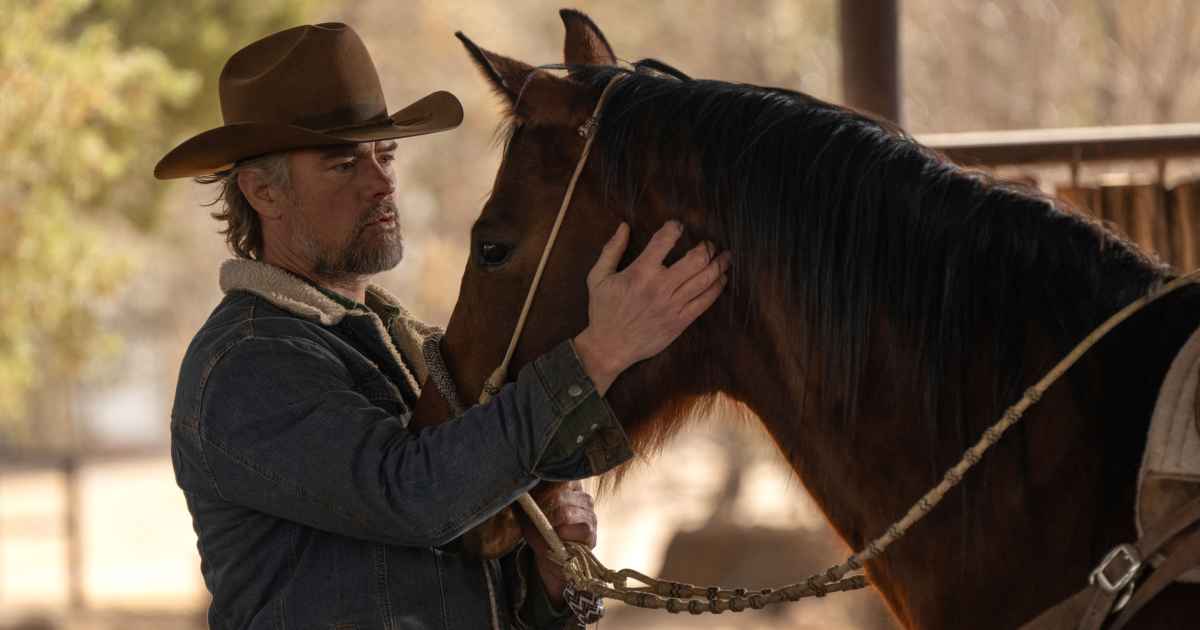
Unveiling the Evolution of Western TV: A Dive into Ransom Canyon, 1923, and Beyond
The Western genre has long held a significant place in American television, capturing the imagination of audiences with tales of rugged landscapes, heroic cowboys, and the timeless struggles of right versus wrong. Today, contemporary Western television series like Ransom Canyon and 1923 are not just retelling old stories; they are redefining the genre’s narratives and aesthetics to reflect modern societal themes. In this article, we will explore how these series innovate storytelling techniques and how they stand apart from their predecessors, ultimately showcasing the evolution of Western TV.
The Traditional Western: A Brief Overview
To appreciate the evolution of Western TV, it helps to understand its roots. Classic Westerns, from the likes of Bonanza to Gunsmoke, presented a romanticized view of the American frontier. These shows often featured clear moral binaries, where good cowboys battled bad outlaws, and the landscape itself was a character filled with danger and adventure.
However, as societal norms have shifted, so too has the storytelling in Westerns. The genre’s earlier iterations often glossed over complex issues such as race, gender, and class. Today, audiences crave more nuanced narratives that reflect the realities of contemporary life.
Ransom Canyon: A New Frontier in Storytelling
Ransom Canyon, based on the novel by J.A. Jance, brings a fresh perspective to the Western genre. Set against the backdrop of the rugged Texas landscape, this series not only embraces the classic elements of Western storytelling but also introduces intricate character arcs and contemporary issues.
Character Depth and Development
One of the standout features of Ransom Canyon is its focus on character depth. Unlike traditional Westerns that often prioritize action over character development, this series delves into the lives of its characters, exploring their motivations, fears, and desires. The audience is invited to engage with their struggles, making the narrative more relatable and grounded.
- Complex Relationships: The show highlights the intricate relationships between characters, showcasing how personal histories and social dynamics shape their actions.
- Real-World Issues: Themes such as mental health, family loyalty, and community are woven into the fabric of the story, making it resonate with modern viewers.
1923: Bridging the Past and Present
1923, part of the broader Yellowstone universe, further exemplifies the evolution of the Western genre. This series explores the lives of the Dutton family during a tumultuous period in American history, focusing on themes of survival, resilience, and the harsh realities of life in the West.
Historical Context and Relevance
What sets 1923 apart is its historical context. The series doesn’t merely romanticize the past; it confronts the complexities of early 20th-century America. By addressing issues such as Prohibition, the Great Depression, and the impact of World War I, the show provides a rich tapestry of historical events that shape its characters’ lives.
- Diverse Perspectives: The inclusion of various cultural and social perspectives enriches the narrative, allowing for a more comprehensive understanding of the era.
- Gender Roles: The series challenges traditional gender roles, presenting strong female characters who defy societal expectations and navigate the challenges of their time.
Innovative Storytelling Techniques
Both Ransom Canyon and 1923 utilize innovative storytelling techniques that enhance their narratives and set them apart from earlier Westerns. These techniques include:
Non-linear Narratives
Modern Westerns often employ non-linear storytelling, which allows for greater complexity in plot development. Flashbacks and multiple timelines enrich the narrative, providing deeper insights into characters’ motivations and histories.
Visual Aesthetics
The cinematography in contemporary Westerns has also seen significant advancements. Stunning landscapes, coupled with expert use of lighting and color grading, create a visual experience that resonates with audiences. The aesthetics of shows like Ransom Canyon and 1923 enhance the storytelling, providing a sense of place that is integral to the genre.
Character-Centric Plots
Unlike traditional Westerns where plot often overshadows character, the focus in modern series is on character-driven narratives. This shift allows viewers to invest emotionally in the characters’ journeys, making the stakes feel real and immediate.
Modern Themes Reflected in Western TV
Contemporary Westerns are not just about cowboys and gunfights; they reflect modern societal themes that resonate with today’s audiences. Here are some prominent themes explored in Ransom Canyon and 1923:
- Identity and Heritage: Characters grapple with their identities and familial legacies, often leading to conflicts that mirror contemporary issues of race and cultural heritage.
- Environmental Concerns: The impact of modernity on natural landscapes is a recurring theme, prompting discussions about conservation and the balance between tradition and progress.
- Community and Isolation: The tension between individual desires and community responsibilities is poignantly portrayed, illustrating the complex fabric of human relationships.
The Future of Western Television
As we look to the future of Western television, it is clear that the genre is in a state of transformation. Series like Ransom Canyon and 1923 are paving the way for a new era of storytelling that embraces complexity, diversity, and authenticity.
While the classic tropes of the Western will always hold a place in our hearts, the evolution of the genre is crucial for keeping it relevant in an ever-changing world. By addressing modern themes and employing innovative storytelling techniques, contemporary Westerns are not just preserving the genre but are also reinventing it for new generations to enjoy.
Conclusion
In conclusion, the evolution of Western television, as exemplified by Ransom Canyon and 1923, reflects a broader cultural shift towards more inclusive and multifaceted storytelling. These series challenge traditional narratives and offer audiences a richer, more engaging experience. As the genre continues to evolve, it remains a vital part of American television, reminding us of the enduring spirit of the West while also confronting the complexities of modern life.
See more CNET Live