
WGA West President Takes Bold Stand Against AI and Political Bullies
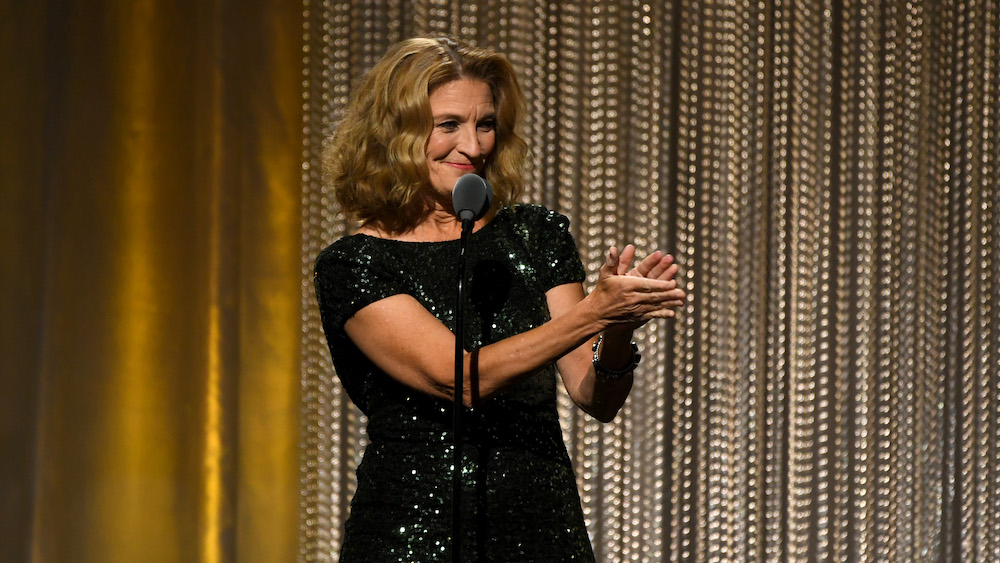
At the recent Guild Awards, a significant moment unfolded as WGA West President Meredith Stiehm took a strong stance against the encroachment of artificial intelligence (AI) in the creative industry and the political pressures faced by writers. Her powerful message resonated throughout the audience, urging studios and industry leaders to take decisive legal action against AI companies that threaten the integrity of writers’ work. Stiehm’s remarks also served as a pointed critique of certain political figures, notably Donald Trump, highlighting the guild’s unwavering commitment to resist intimidation in the face of growing challenges.
Understanding the Context of Stiehm’s Address
In an era where technology increasingly intersects with creative fields, the rise of AI tools that can generate scripts, mimic writing styles, and even produce full-length films raises critical questions about authorship and originality. Writers fear that AI could undermine their livelihoods, especially if studios opt for cheaper, automated content over human-created works. Stiehm’s comments reflect a broader concern within the Writers Guild of America (WGA) about protecting the rights of writers as the industry evolves.
During her address, Stiehm emphasized the importance of creativity and the unique human touch that writers bring to storytelling. She urged studios to recognize their responsibility to support writers, rather than seeking shortcuts through AI technology. Her call for legal action against AI companies signals a pivotal moment for the guild, as they look to establish firm boundaries around the use of AI in creative processes.
The Implications of AI in the Creative Industry
AI’s increasing capabilities to generate content pose both opportunities and threats. Here are some key implications:
- Job Displacement: As AI becomes more sophisticated, there is a legitimate fear that it could replace human writers, leading to job losses and reduced opportunities for emerging talent.
- Authenticity and Quality: While AI can produce text, it often lacks the nuance and emotional depth that human writers bring to their work. This raises concerns about the quality of content produced by AI.
- Intellectual Property Issues: The question of who owns the rights to AI-generated content remains murky. Writers are understandably concerned about protecting their intellectual property in an age where AI can replicate styles and ideas.
Stiehm’s stance is not merely a reaction to trends; it represents a proactive approach to safeguarding the future of storytelling in an increasingly automated landscape.
Political Pressures and the Role of the Guild
In addition to addressing AI, Stiehm’s speech also tackled the issue of political bullying. By singling out figures like Donald Trump, she underscored the political climate that has fostered intimidation and fear among creative professionals. The guild’s commitment to stand firm against these pressures reflects a growing recognition that writers must have the freedom to express themselves without fear of repercussions.
Political bullying can manifest in various ways, including censorship, threats, or attempts to control narratives. Writers often serve as the conscience of society, and their ability to critique power structures is fundamental to a thriving democracy. Stiehm’s comments reinforce the idea that the guild will not be swayed by political agendas or threats.
The Guild’s Vision Moving Forward
As the WGA West looks to the future, several key strategies are likely to emerge in response to Stiehm’s address:
- Strengthening Legal Protections: The guild may pursue legal avenues to establish clearer regulations regarding the use of AI in writing, ensuring that human writers are protected against exploitative practices.
- Advocating for Ethical AI Practices: Collaborating with tech companies to develop ethical guidelines for AI use in creative fields could help mitigate some of the concerns raised by Stiehm.
- Promoting Writer Solidarity: By fostering a sense of community among writers, the guild can empower individuals to stand together against both AI encroachment and political pressures, thus reinforcing their collective strength.
The Broader Cultural Impact
The implications of Stiehm’s bold stance extend beyond the immediate concerns of the guild. As AI continues to permeate various sectors, the creative community must engage in a larger dialogue about the role of technology in shaping culture. Here are a few considerations:
- Culture vs. Automation: The challenge lies in balancing technological advancement with the preservation of cultural narratives that are inherently human. Writers are vital in shaping societal values and reflecting the human experience.
- Innovation through Collaboration: Rather than viewing AI as an adversarial force, there’s potential for collaboration that enhances creativity. Writers and technologists could work together to develop tools that complement human creativity rather than replace it.
- Public Awareness and Education: Increasing public awareness about the implications of AI in creative fields is essential. Educating audiences about the value of human storytelling can create a demand for authentic content.
A Call to Action for Writers and Creatives
Meredith Stiehm’s powerful address at the Guild Awards serves as a rallying cry for writers and creatives across the industry. As they face the dual challenges of AI and political intimidation, it’s crucial for writers to unite in their commitment to protect their craft. Here are some ways they can take action:
- Engage in Dialogue: Writers should engage in conversations about the ethical use of AI and share their experiences regarding political pressures.
- Advocate for Policy Changes: Joining forces with organizations that promote writers’ rights can amplify their voices in advocating for necessary policy changes.
- Support Fellow Writers: Building a network of support among writers can foster resilience and a sense of community in the face of adversity.
In conclusion, the challenges posed by AI and political bullying are significant, yet the response from WGA West President Meredith Stiehm is both bold and inspiring. By standing firm against these threats, the guild not only protects its members but also champions the value of human creativity in a rapidly changing world. As the industry navigates these complexities, the commitment to uphold the integrity of storytelling remains paramount, ensuring that the voices of writers continue to resonate and thrive.
See more CNET Live