
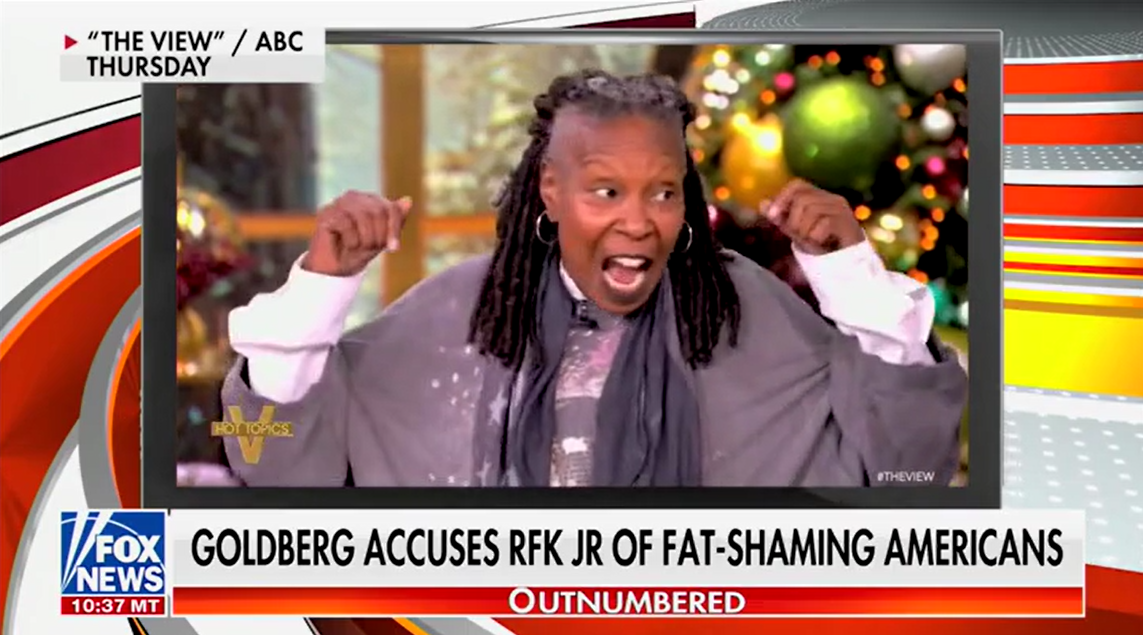
Whoopi Goldberg and Robert F. Kennedy Jr.: A Clash over Fat Shaming
In a recent episode of Fox News’ ‘Outnumbered,’ actress and co-host Whoopi Goldberg confronted political figure Robert F. Kennedy Jr. over accusations of fat shaming. This exchange has sparked widespread discussion, raising crucial questions about the responsibilities of public figures and the impact of their words on societal attitudes toward body image and health. As the debate unfolds, it reveals deeper layers regarding celebrity accountability, societal standards of beauty, and the ethical ramifications of body shaming in modern discourse.
The Incident: Context and Reactions
During the broadcast, Goldberg alleged that Kennedy’s remarks towards individuals with larger body types were not only inappropriate but also detrimental to public perception surrounding obesity and body positivity. This exchange quickly escalated, captivating the audience and prompting a divide among viewers. Some supported Goldberg’s stance, advocating for a more compassionate dialogue regarding body image, while others defended Kennedy, arguing for personal accountability and free speech.
What Constitutes Fat Shaming?
Fat shaming refers to the act of mocking, belittling, or discriminating against someone based on their weight. It can manifest in various forms, such as derogatory comments, social exclusion, or even systemic discrimination in healthcare and employment settings. Understanding fat shaming as a social issue is vital, particularly in an era where body positivity movements are striving to redefine beauty standards.
Goldberg’s Perspective: Advocating for Compassion
Goldberg’s accusations stem from a broader advocacy for mental health and body positivity. She has often spoken out against the stigmatization of individuals based on their appearance, emphasizing the psychological toll that fat shaming can impose. In her view, public figures like Kennedy have a responsibility to foster a culture of acceptance rather than perpetuate harmful stereotypes.
Goldberg’s comments resonate with the sentiments echoed in various studies, which indicate that fat shaming can lead to increased rates of depression, anxiety, and even suicidal thoughts among those targeted. According to a 2016 study published in the journal *Obesity*, individuals who experience weight-based discrimination are more likely to engage in unhealthy behaviors, such as binge eating, as a coping mechanism.
Kennedy’s Response: A Defense of Personal Accountability
On the other hand, Kennedy’s supporters argue that his comments were not intended to fat shame but rather to promote personal responsibility regarding health and wellness. They contend that discussions about obesity should not shy away from the realities of health risks associated with excess weight. Proponents of this view often highlight the need for a balanced conversation about body health, where personal choices and accountability are acknowledged.
This perspective aligns with the broader discourse surrounding health and wellness, where some advocate that addressing obesity is crucial for public health. However, critics of this viewpoint caution that discussions focused solely on weight can detract from the importance of mental health and self-acceptance, suggesting that such narratives can inadvertently reinforce stigma.
The Broader Implications of Celebrity Accountability
The incident between Goldberg and Kennedy underscores a critical aspect of modern celebrity culture: the immense influence that public figures wield over societal norms and attitudes. Celebrities often serve as role models, intentionally or unintentionally shaping public discourse. Their words can either challenge stereotypes or reinforce harmful narratives, making it imperative for them to be thoughtful in their communications.
Societal Standards and Body Image
In recent years, there has been a significant shift towards promoting body positivity and diversity in media representations. Movements such as the #BodyPositive and #EffYourBeautyStandards have gained traction, advocating for the acceptance of all body types and challenging traditional beauty ideals. This cultural shift has sparked important conversations about the impact of media on body image, particularly among young audiences.
- The Role of Media: Media representations play a crucial role in shaping societal standards of beauty. The portrayal of diverse body types in advertising and entertainment can help normalize various shapes and sizes, contributing to a more inclusive society.
- Effects on Youth: Adolescents are particularly susceptible to media influences, making it essential for celebrities to present positive body image messages. Studies show that exposure to body-positive media can enhance self-esteem and body satisfaction among young people.
The Ethical Considerations of Body Shaming
Beyond personal interactions, fat shaming raises ethical questions about the responsibilities of public figures. Should celebrities be held to higher standards in their public discourse, considering their potential influence? The lines between free speech and social responsibility often blur, leading to complex discussions about the ethical implications of body shaming.
Critics argue that the normalization of body shaming can perpetuate cycles of discrimination and exclusion, particularly in environments where body image is an essential aspect of self-worth. Advocates for mental health emphasize the importance of fostering dialogues that prioritize kindness and empathy over harsh judgments.
The exchange between Whoopi Goldberg and Robert F. Kennedy Jr. serves as a microcosm of the larger societal debate surrounding body image, health, and celebrity influence. As public figures continue to engage in discussions about sensitive topics such as weight and health, it becomes increasingly vital for them to navigate these conversations with care and consideration.
Ultimately, fostering a culture of acceptance and understanding is crucial in combating fat shaming and promoting mental health. As audiences grapple with differing perspectives, the hope remains that these dialogues can lead to a more compassionate society where individuals are celebrated for their uniqueness, rather than judged for their appearance.
See more CNET Live