
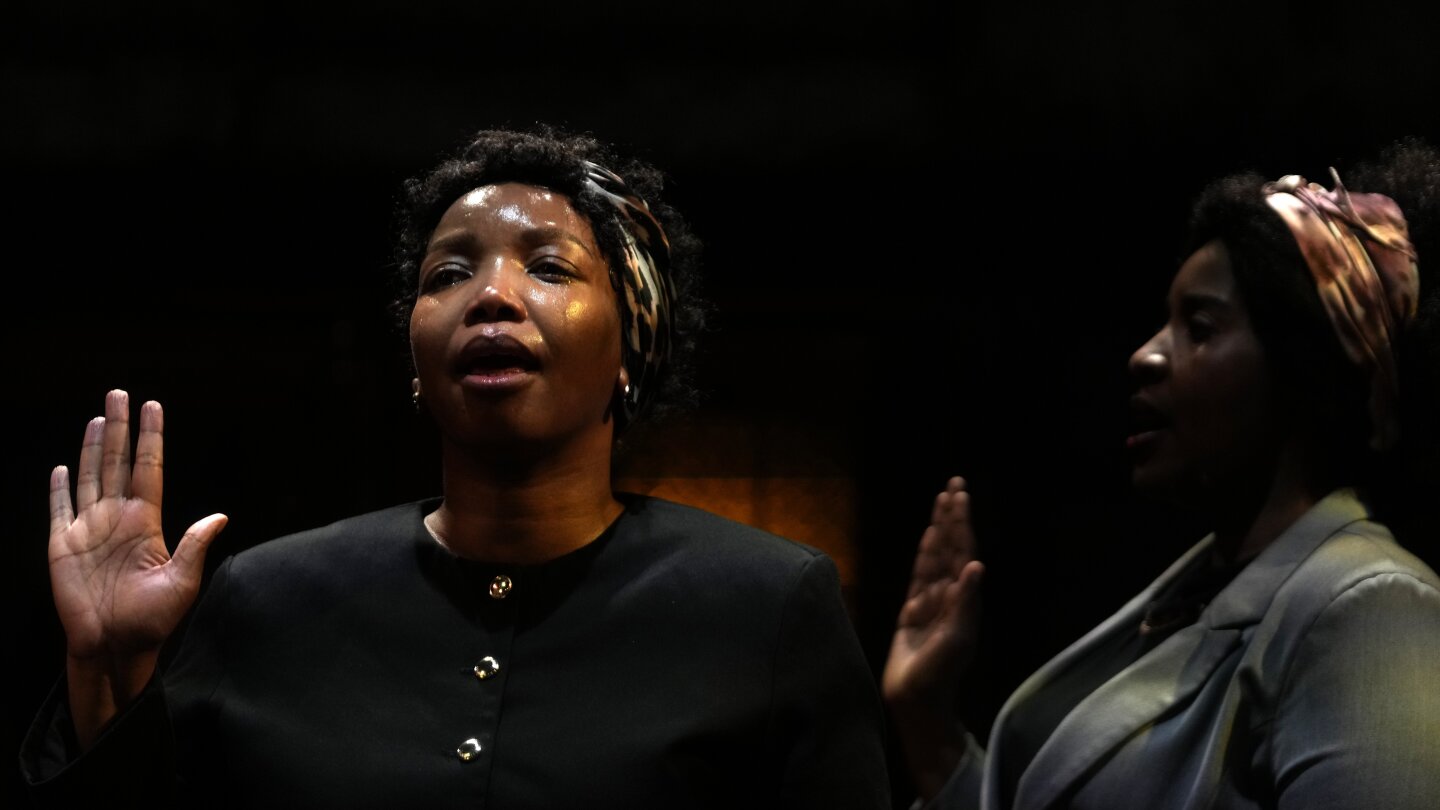
Unveiling the Silence: A South African Play on Winnie Madikizela-Mandela and the Struggles of Black Women
In the landscape of South African theatre, few narratives resonate as deeply as that of Winnie Madikizela-Mandela. Her life story encapsulates a myriad of themes: love, loss, resilience, and the often-silenced voices of Black women who have borne the brunt of social and political upheaval. The play “Unveiling the Silence” seeks to illuminate these facets, offering a poignant exploration of Winnie’s journey while shedding light on the collective struggles faced by Black women during apartheid and beyond.
Winnie Madikizela-Mandela: A Complex Legacy
Winnie Madikizela-Mandela was not just the wife of Nelson Mandela; she was a formidable political figure in her own right. Often referred to as the “Mother of the Nation,” Winnie’s activism and fierce dedication to the anti-apartheid struggle made her a symbol of hope and resistance. However, her legacy is nuanced, filled with both admiration and controversy. This play delves into the duality of her character, presenting her as both a loving wife and a fierce advocate for justice.
Through the lens of this theatrical piece, audiences are invited to reflect on the complexities of her life. The narrative does not shy away from the challenges she faced, including the long years of separation from her husband, Nelson Mandela, during his imprisonment. Such absences are not merely personal tragedies but reflect the broader experiences of countless Black women who waited for their loved ones, enduring their own battles while striving for justice.
The Struggles of Black Women in South Africa
The play “Unveiling the Silence” serves as a microcosm for understanding the struggles of Black women in South Africa. Historically, these women have often been sidelined in both societal and political narratives. The play challenges the audience to consider the intersectionality of race, gender, and class, showcasing how these dimensions shape the experiences of women like Winnie and countless others. Here are some key themes addressed in the play:
- Absence and Longing: The emotional turmoil of waiting for loved ones, particularly in the context of political imprisonment, is a recurring theme. Winnie’s story is emblematic of the pain many women endured, waiting for their partners to return from unjust incarceration.
- Resilience: The play highlights the strength and resilience of Black women, who often found ways to support their families and communities even amidst adversity. This theme resonates with the broader narrative of survival in the face of systemic oppression.
- Identity and Agency: The journey of self-discovery and the quest for agency are crucial for Black women. As the play unfolds, it presents how Winnie navigated her identity as both a political figure and a woman, emphasizing the importance of agency in reclaiming one’s narrative.
Storytelling as a Tool for Empowerment
One of the most powerful aspects of “Unveiling the Silence” is its use of storytelling. Theatre has long been a medium for social change, and this play harnesses that power to bring to life the often-ignored stories of Black women. The narrative unfolds through a series of vignettes, each revealing different aspects of Winnie’s life, her struggles, and the women who stood beside her.
By weaving together personal stories with historical context, the play encourages audiences to engage with the emotional realities faced by women during apartheid. It challenges the audience to confront their own perceptions and biases, creating a dialogue around the importance of remembering and honoring these narratives.
The Role of Community and Solidarity
Another significant theme explored in the play is the role of community and solidarity. Winnie Madikizela-Mandela’s life was intertwined with the lives of many other women who were equally affected by the political climate of the time. The play emphasizes the importance of collective action and support among women, showcasing how they formed networks of resilience and strength.
These networks provided not only emotional support but also practical assistance, allowing women to navigate the challenges of everyday life while their partners were absent. The depiction of these communal bonds serves as a reminder of the strength found in unity, particularly during times of crisis.
Impact of the Play on Contemporary Society
“Unveiling the Silence” is more than just a historical retelling; it’s a contemporary call to action. By highlighting the struggles of Black women, the play resonates with ongoing conversations about gender equality, social justice, and the need for inclusive narratives in South Africa and beyond. As audiences engage with Winnie’s story, they are prompted to reflect on the current status of women in society and the importance of acknowledging their contributions.
The play encourages a new generation to take up the mantle of activism, inspiring them to continue the fight for justice and equality. It serves as a reminder that the struggles faced by women like Winnie are not confined to the past; they persist in various forms today, calling for a renewed commitment to social change.
Conclusion: A Legacy That Inspires
In conclusion, “Unveiling the Silence” is a powerful exploration of Winnie Madikizela-Mandela’s life and the broader experiences of Black women in South Africa. Through its poignant storytelling, the play shines a light on themes of absence, resilience, and community, inviting audiences to reflect on the complexities of identity and the importance of solidarity. As it unfolds on the stage, it not only honors the legacy of Winnie but also urges us to listen to the silenced narratives of women who have shaped history.
This theatrical work stands as a testament to the enduring impact of social struggles and the vital role that Black women have played in the fight for justice. By unveiling the silence surrounding these stories, the play contributes to a richer understanding of our collective history and inspires future generations to continue the journey toward equality and justice.
See more CNET Live