
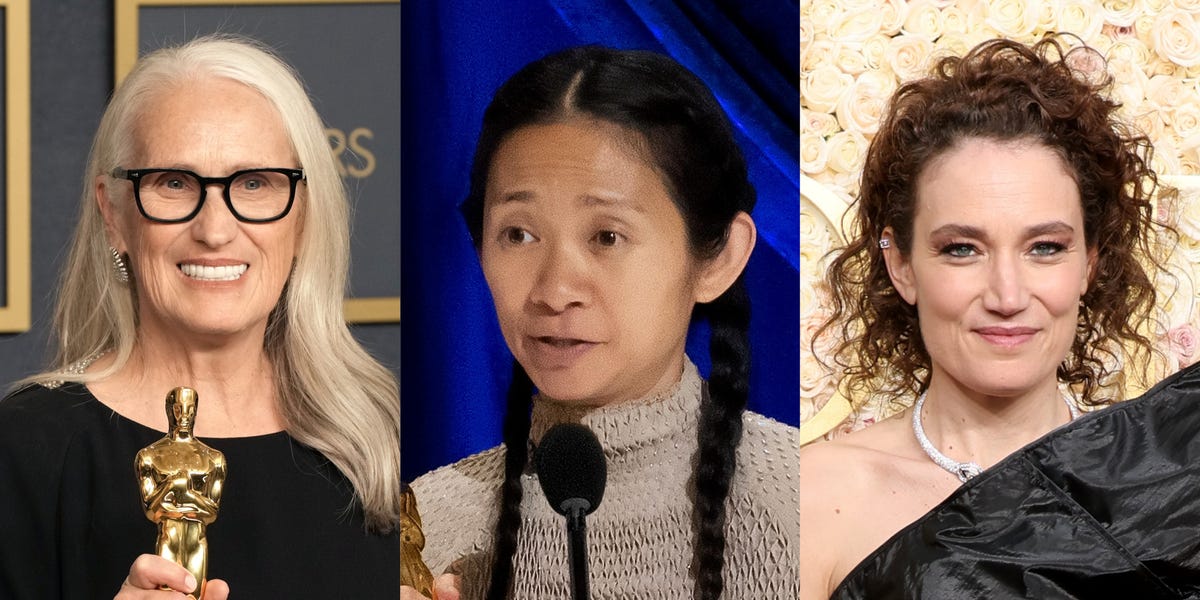
Breaking Barriers: The Journey of Women Directors Nominated for an Oscar
In a monumental moment for the film industry, Coralie Fargeat has emerged as the ninth woman ever nominated for the Best Director Oscar. This historic nomination not only highlights her exceptional talent but also emphasizes the ongoing journey of women directors in an industry that has long been dominated by men. As we delve into the stories of Fargeat’s predecessors and the evolving landscape of women in film, we uncover the challenges, triumphs, and the collective resolve that continues to break barriers.
The Historical Context of Women Directors
The path for women directors in Hollywood has been fraught with obstacles. Historically, women have faced systemic barriers that limited their access to opportunities in filmmaking. The Academy Awards, established in 1929, have reflected this disparity. For decades, the majority of nominees in the Best Director category were male, leading to an underrepresentation of female perspectives in storytelling.
Before Fargeat’s groundbreaking nomination, only eight women had received nominations in this prestigious category:
- Jane Campion – Nominated for “The Piano” (1994)
- Sofia Coppola – Nominated for “Lost in Translation” (2004)
- Lina Wertmüller – Nominated for “Seven Beauties” (1976)
- Greta Gerwig – Nominated for “Lady Bird” (2017)
- Margarethe von Trotta – Nominated for “The German Sisters” (1981)
- Debra Granik – Nominated for “Winter’s Bone” (2010)
- Chloé Zhao – Nominated for “Nomadland” (2020)
- Emerald Fennell – Nominated for “Promising Young Woman” (2021)
This short list underscores the necessity for change within the industry, as it has often sidelined women’s narratives in favor of more traditional male-driven stories. Yet, each of these women paved the way for future generations, demonstrating that women could not only tell compelling stories but also excel in the directorial role.
Coralie Fargeat: A New Chapter in Directorial Representation
Coralie Fargeat’s nomination serves as a beacon of hope and inspiration for aspiring female filmmakers. Known for her work in the horror genre, particularly with her critically acclaimed film “Revenge,” Fargeat has challenged conventions and brought a fresh perspective to storytelling. Her films often feature strong female protagonists, which resonates with the growing demand for diverse voices in cinema.
Fargeat’s journey illustrates the evolving landscape of women in film, reflecting a shift towards inclusivity and representation. Her nomination not only celebrates her achievements but also symbolizes a broader movement within the film industry to embrace female directors and their unique narratives.
The Evolving Landscape of Women in Film
The landscape of women in film is changing rapidly, with more women taking on roles behind the camera than ever before. Recent studies indicate that female directors are becoming increasingly visible in mainstream cinema. In 2021, for instance, women directed 16% of the top 250 grossing films, up from just 4% a decade earlier.
This growth can be attributed to several factors:
- Increased Awareness: Movements like #MeToo and Time’s Up have highlighted the need for gender equality in the film industry, prompting change at various levels.
- Support Networks: Organizations such as Women in Film and the Alliance of Women Directors provide essential resources, mentorship, and advocacy for women filmmakers.
- Industry Initiatives: Many film studios and festivals are now implementing diversity quotas and programs aimed at increasing the representation of women directors.
Challenges Still Ahead
Despite the progress that has been made, challenges remain. Women directors still face significant hurdles, including unequal funding opportunities and the pervasive stereotype that women’s stories are less commercially viable than their male counterparts. Moreover, the industry often scrutinizes female directors more harshly, emphasizing the need for resilience and determination.
Moreover, the representation of women of color in directing roles is notably lower, highlighting the intersectionality of gender and race in the film industry. As we celebrate Fargeat’s nomination, it is vital to advocate for a more inclusive representation that encompasses diverse voices from all backgrounds.
Inspiring Future Generations
The stories of women directors who have been nominated for Oscars serve as powerful inspiration for the next generation. Their journeys illustrate that tenacity, creativity, and passion can overcome barriers, and they encourage aspiring filmmakers to pursue their dreams regardless of the obstacles they may face.
Educational initiatives aimed at young filmmakers, such as workshops, internships, and mentoring programs, play a crucial role in nurturing talent. By providing young women with the tools and support they need, the industry can ensure a more balanced and diverse future.
Conclusion: A Bright Future Ahead
Coralie Fargeat’s historic nomination as the ninth woman for the Best Director Oscar is a significant milestone in the ongoing journey of women in film. It not only honors her artistic contributions but also highlights the importance of inclusivity and representation in storytelling. As the industry continues to evolve, it is essential to support and uplift female voices, ensuring that the next generation of directors can build on the progress made by those who came before them.
As we celebrate these achievements, let us remain committed to breaking barriers and fostering an environment where all filmmakers, regardless of gender, can thrive. The future of cinema is brighter when diverse stories are told, and with each nomination and award, we move closer to a more equitable industry.
See more CNET Live