
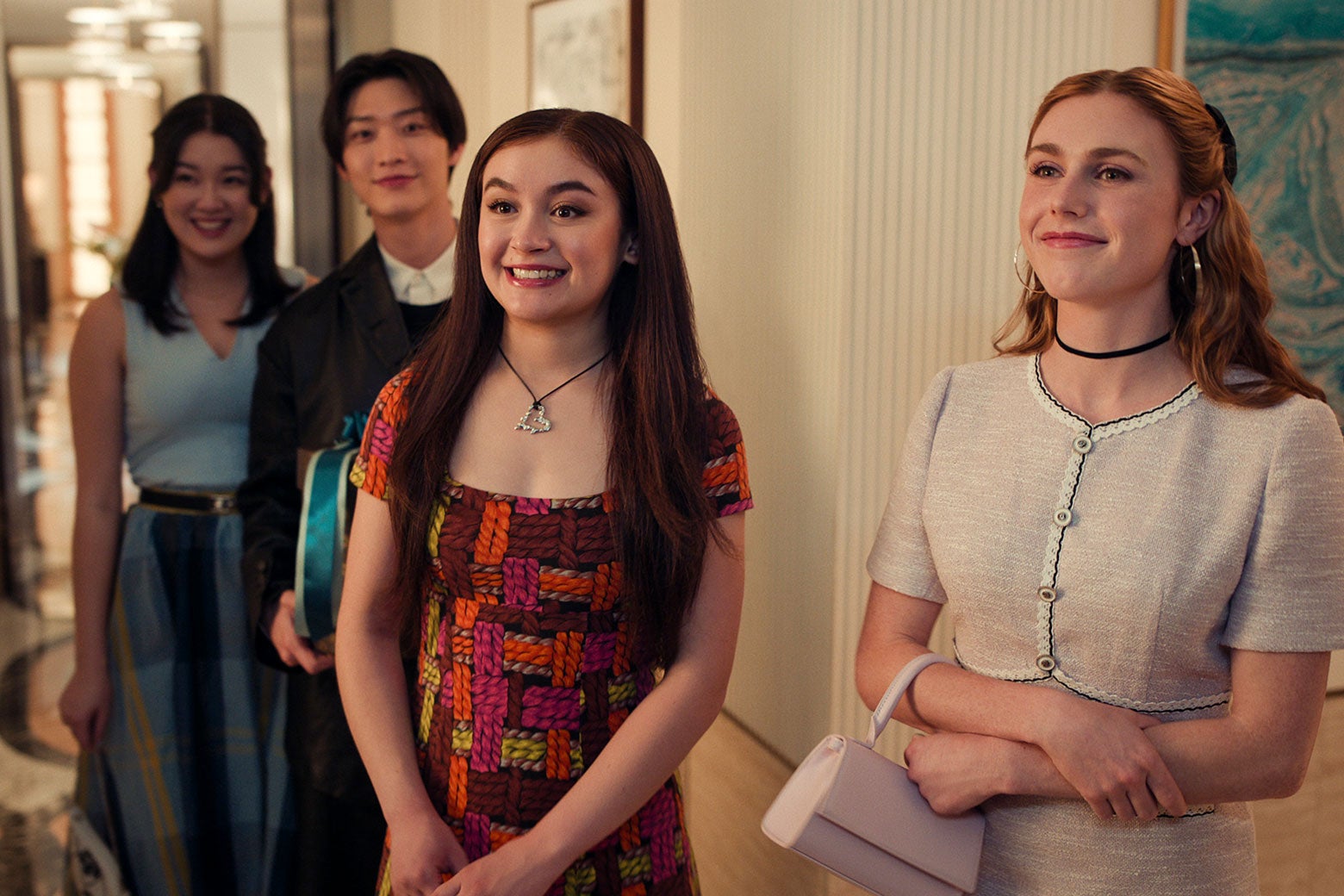
Unpacking the Dating Dilemma: What XO, Kitty Season 2 Gets Wrong
In Season 2 of Netflix’s XO, Kitty, the beloved character Kitty Song Covey is back, navigating the tumultuous waters of teenage romance. However, as the series progresses, it becomes increasingly apparent that the show revisits and reinforces several common dating tropes that leave viewers questioning its approach to modern relationships. This analysis delves into the pitfalls and potential lessons in the portrayal of romance on screen, focusing on what XO, Kitty Season 2 gets wrong in its depiction of dating dynamics.
The Repetition of Tired Tropes
One of the central critiques of XO, Kitty is its heavy reliance on clichés prevalent in teen romantic comedies. Despite its fresh premise, the series often falls back on predictable storylines, such as:
- Love triangles that lack depth.
- Miscommunication as a plot device.
- The “bad boy” versus “nice guy” dichotomy.
These tropes not only dilute the overall narrative but also skew the representation of healthy relationships. By perpetuating these stereotypes, the show risks normalizing unhealthy dating behaviors among its impressionable audience.
Miscommunication: A Detrimental Plot Device
Miscommunication is a common theme in many romantic narratives, including XO, Kitty. While it can create tension and drama, its overuse can be problematic. In Season 2, Kitty frequently struggles with expressing her feelings or understanding her partners, leading to unnecessary conflicts. This portrayal sends a message that communication barriers are an inherent aspect of romance, which can be misleading.
In reality, effective communication is critical for a successful relationship. Instead of showcasing the importance of open dialogue, the show opts for misunderstandings that lead to dramatic confrontations. This approach not only frustrates viewers but also sets a concerning precedent for young audiences, suggesting that confusion and conflict are natural components of love.
The “Bad Boy” vs. “Nice Guy” Dynamic
Another trope that XO, Kitty Season 2 gets wrong is the glorification of the “bad boy” archetype. This character type often embodies traits such as rebellion and emotional unavailability, creating an allure that can be dangerously misleading. In contrast, the “nice guy” character is typically portrayed as overly accommodating or dull. This binary creates a skewed perception of what makes someone desirable.
In real life, healthy relationships are built on mutual respect, shared values, and emotional availability. By romanticizing the “bad boy” persona, the show risks encouraging young viewers to overlook red flags in their own dating lives. Instead of promoting the idea that love can be found in someone who respects and values them, the narrative suggests that excitement and danger are more appealing.
Romanticizing Toxic Behaviors
Throughout Season 2, some characters exhibit behaviors that can be classified as toxic, yet these traits are often romanticized. For instance, jealousy, possessiveness, and emotional manipulation are not uncommon in Kitty’s relationships. While these behaviors can create dramatic tension in a scripted environment, they do not reflect a healthy framework for romantic involvement.
It’s vital for media, especially shows aimed at younger audiences, to portray the consequences of such behaviors realistically. Instead of glamorizing or trivializing manipulative dynamics, XO, Kitty could serve as a platform to educate viewers on recognizing and rejecting unhealthy traits in relationships.
Exploring Character Development
Another area where the show falters is in character development. Kitty, as the protagonist, is often depicted in a one-dimensional manner—her decisions frequently revolve around her romantic interests rather than her personal growth or ambitions. The lack of substantial character arcs for Kitty and her peers detracts from the overall narrative. Viewers are left wondering whether these characters have aspirations beyond their love lives.
In contrast, focusing on personal growth and individual aspirations can provide a more relatable and inspiring narrative. Characters who are multifaceted and pursue their dreams—while also navigating relationships—can foster a more realistic and enriching representation of young adulthood.
Potential Lessons for Modern Relationships
Despite its shortcomings, XO, Kitty Season 2 does present some opportunities for reflection on modern relationships. Here are a few lessons that can be drawn from the series:
- The Importance of Communication: While the show often misses the mark, it does highlight how essential it is to communicate openly with partners. Viewers can take note of the complications that arise when characters fail to express their feelings.
- Recognizing Red Flags: By showcasing toxic behaviors, the series inadvertently serves as a reminder for viewers to be vigilant about unhealthy traits in their own relationships.
- Emphasizing Self-Discovery: Kitty’s journey can prompt discussions about the importance of knowing oneself before entering a relationship. Understanding one’s values and needs is crucial for forming healthy partnerships.
Conclusion: A Call for Authentic Representation
In conclusion, while XO, Kitty Season 2 aims to capture the essence of teenage romance, it often stumbles by relying on outdated tropes and harmful stereotypes. By unpacking the dating dilemmas presented in the show, it becomes clear that the portrayal of modern relationships deserves more nuance and authenticity. As viewers, particularly younger audiences, engage with these narratives, it is essential to foster discussions around healthy relationship dynamics, effective communication, and self-awareness.
Ultimately, media has the power to shape perceptions of love and relationships. By pushing for more realistic and empowering representations, shows like XO, Kitty can evolve into platforms that not only entertain but also educate their audiences about the complexities of love in the modern age.
See more CNET Live